


Open Source Aid
An excerpt from The Business of Changing the World: How Billionaires, Tech Disrupters, and Social Entrepreneurs are Transforming the Global Aid Industry argues the case for openness.
Social innovations that improve the living standards of the poor (more)
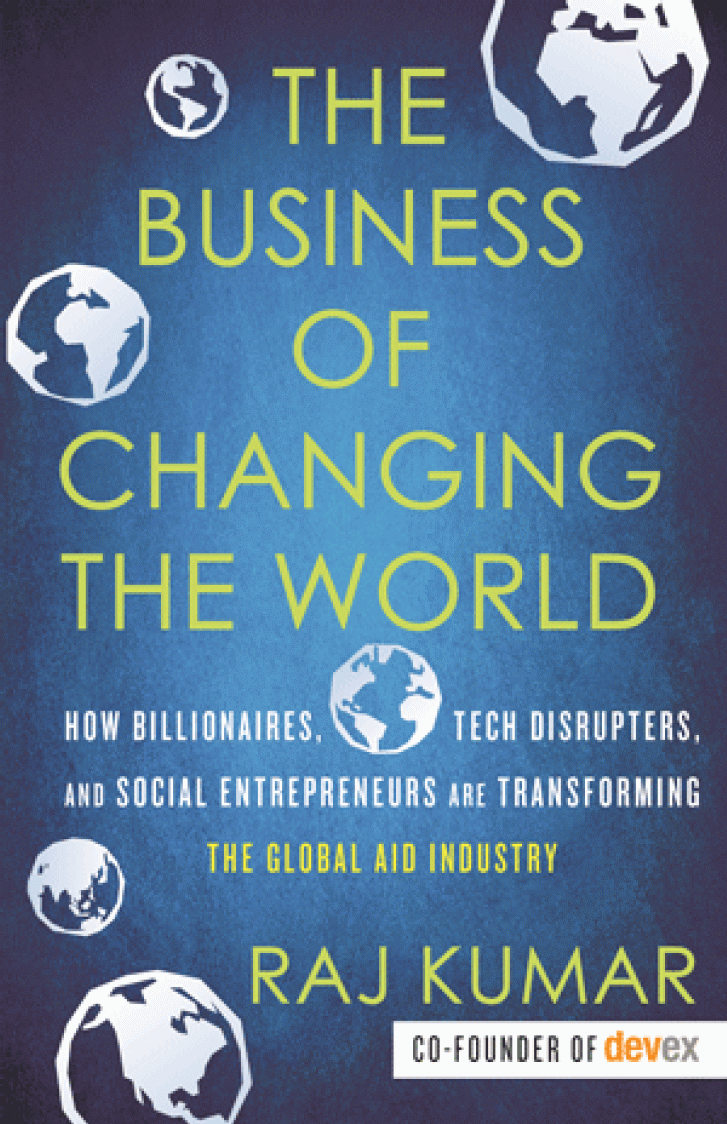
An excerpt from The Business of Changing the World: How Billionaires, Tech Disrupters, and Social Entrepreneurs are Transforming the Global Aid Industry argues the case for openness.

We must take on the difficult work of accounting for race and racism in our collective change-making endeavors or face the risk of failing to undo systemic inequities. This is the fifth of 10 articles in a special series about diversity, equity, and inclusion.
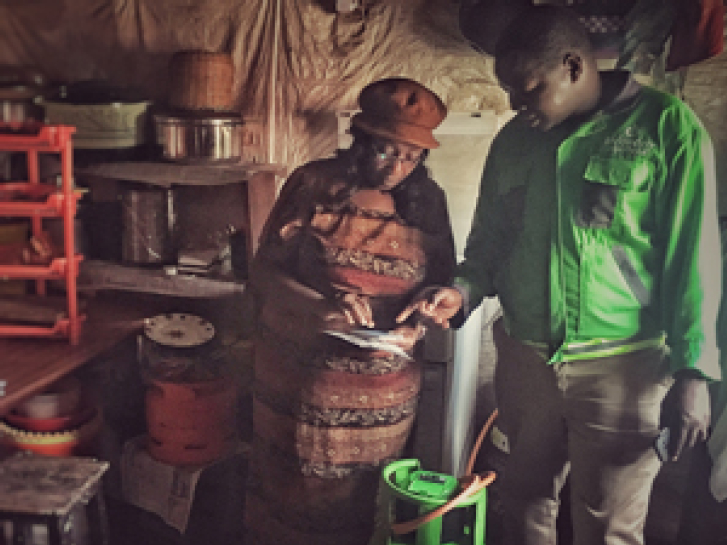
Strategies for cross-sectoral partnership in reaching consumers in emerging markets through pay-as-you-go business models.

Place-based development incentive programs like Opportunity Zones in the United States and Enterprise Precincts in Australia need a robust framework to meaningfully identify and measure public benefits and the delivery of them. The Net Community Benefit Methodology can help.

A review of dozens of case studies, industry reports, and discussions reveals important insights into impact investing from innovators and early adopters.

The strategies companies and policy makers are designing to address the changing nature of work need to include a gender lens if they are to help foster the economic empowerment of women.

The citizen journalism effort What Went Wrong? examines international development projects with the help of reports from people the project was supposed to benefit. A What's Next article from the Summer 2019 issue.

New Story’s 3-D printing software builds houses cheaply and efficiently, demonstrating how technology can leapfrog traditional limitations in local economies and infrastructure. A Field Report from the Summer 2019 issue.

Development practitioners must build a culture of learning, negotiation, and collaboration, so that the generation and use of evidence are integrated into program design and implementation.

Companies seeking to do business in low-income markets often make the mistake of transferring assets from higher-income markets to fill perceived gaps. They should instead look to partner with those who live in these markets and to identify the assets already available there.