


Inclusive Prosperity in an Age of Local Action
Communities cannot and should not wait for external forces to bridge local opportunity divides.
Social innovations that improve the living standards of the poor (more)
Communities cannot and should not wait for external forces to bridge local opportunity divides.
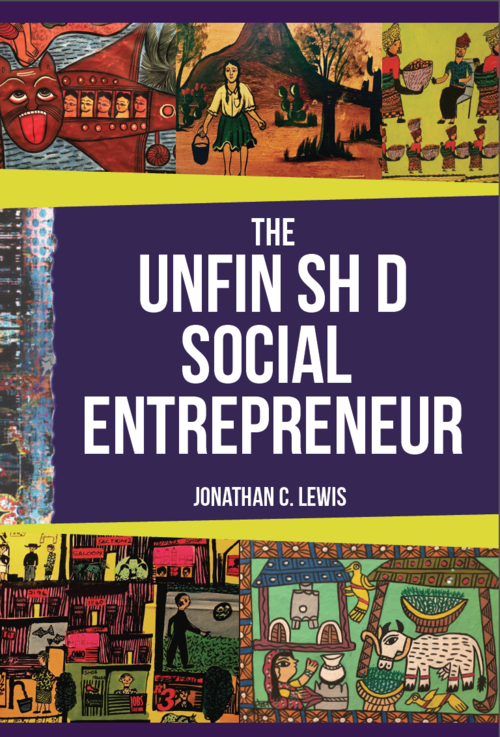
In accepting responsibility for social entrepreneurship, you and I accept the inescapable tension between two very legitimate impulses: the impulse to respect a community, and the impulse to change it.

History proves that big financing ideas can triumph over seemingly insurmountable global challenges.

Rigorous impact evaluations tell us a lot about the world, not just the particular contexts in which they are conducted. Open access to this article is made possible by MIT.

Finding solutions for the global poor need not require choosing between theory and decision making. Good evaluations focus on both.

To fulfill the promise of cash transfers, we need to double down on investment in research.

Community-based organizations play a larger role in deciding development projects than local politicians.


New research details how US families struggle with unstable income not just from year to year but even from week to week.
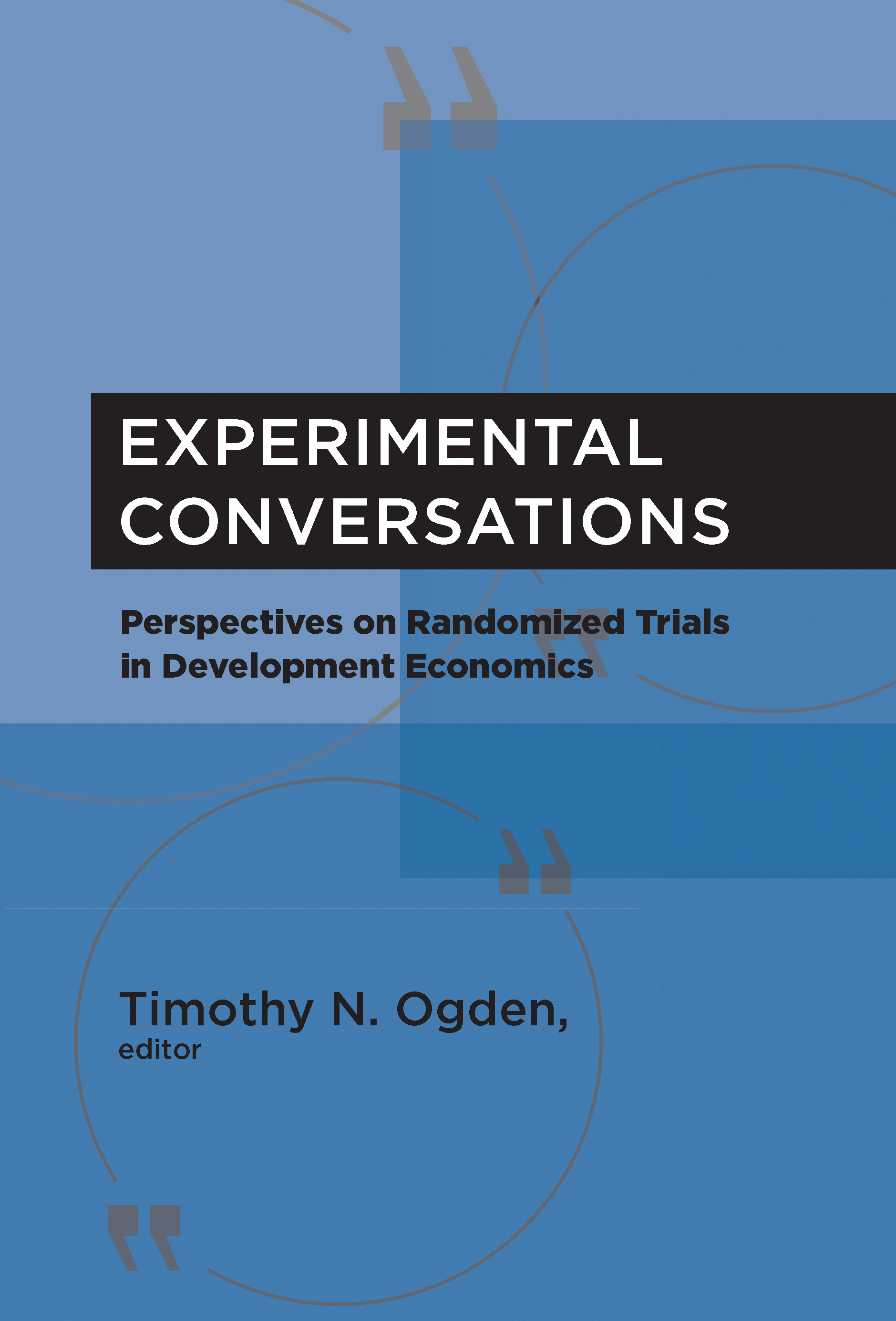
A dialogue with University of Michigan professor Dean Yang on what we can—and can't—learn from randomized controlled trials.