


Measuring Climate Risk
Climate Risk Labs (CRL), one of the emerging nonprofits tackling the climate crisis, aims to accelerate climate science research and build partnerships that utilize CRL’s data sets to shape future clean energy solutions.
Innovations in environmental protection and conserving natural resources (more)
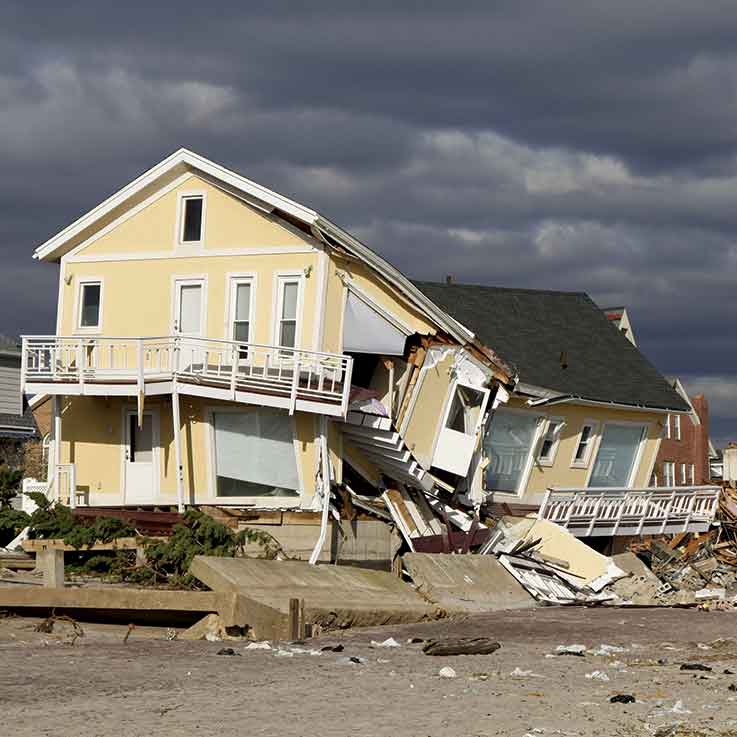
Climate Risk Labs (CRL), one of the emerging nonprofits tackling the climate crisis, aims to accelerate climate science research and build partnerships that utilize CRL’s data sets to shape future clean energy solutions.
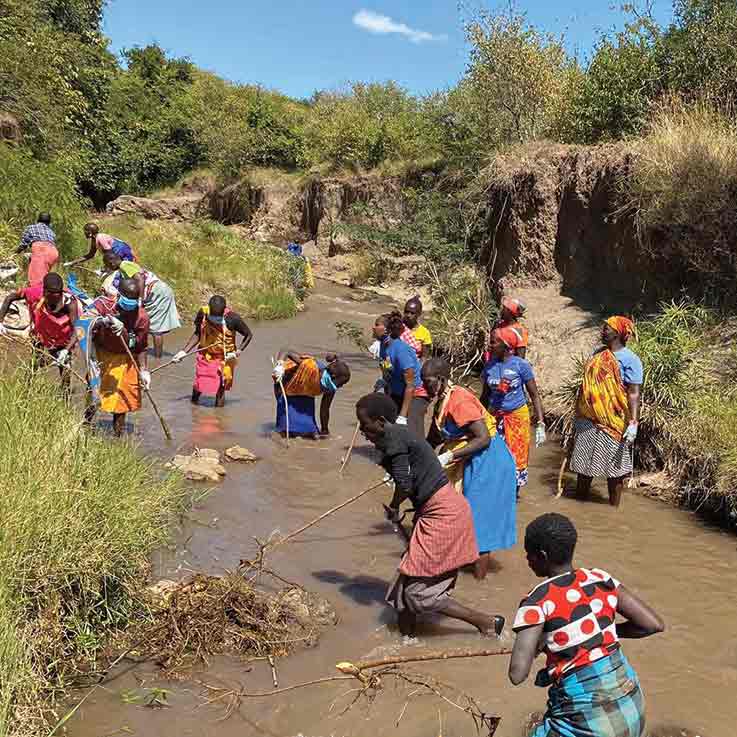
The Nashulai Maasai Conservancy is taking back Kenya’s land for Indigenous people.

Links to all of SSIR's online-only articles published the past three months, with editors' notes about standout pieces on racism, the social economy, grassroots movements, global development, and the climate crisis.

With environmental devastation and social injustices pushing the planet to the breaking point, a stronger environmental, social, and governance (ESG) ratings system is needed to ensure investors get the positive impact they're paying for.
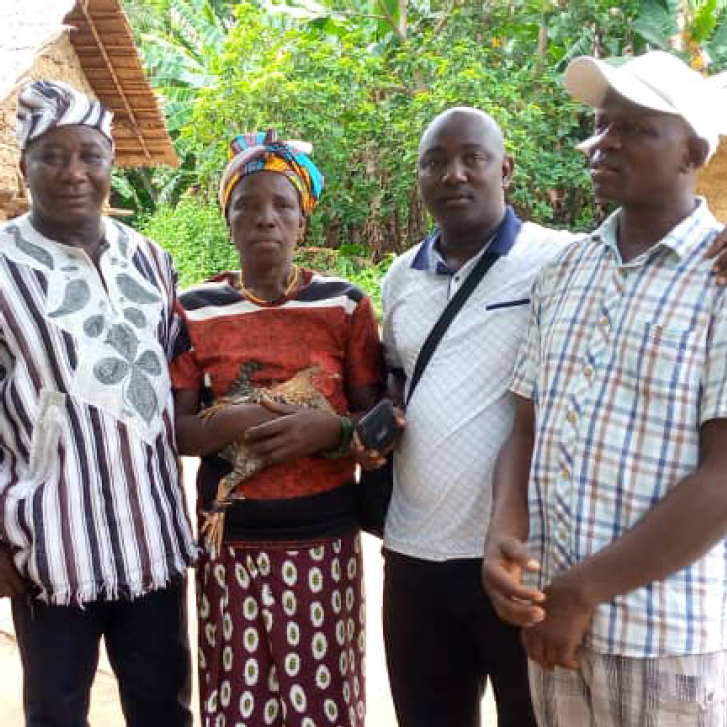
Namati provides legal knowledge to communities around the world to help them defend their land, environmental, and other civil rights against abuse by commercial and political aggressors.

Climate justice means centering the Indigenous communities who have been on the ground implementing regenerative solutions.

Corporate sustainability programs have grown dramatically, but biases have crippled their effectiveness. We identify three critical steps for reform.
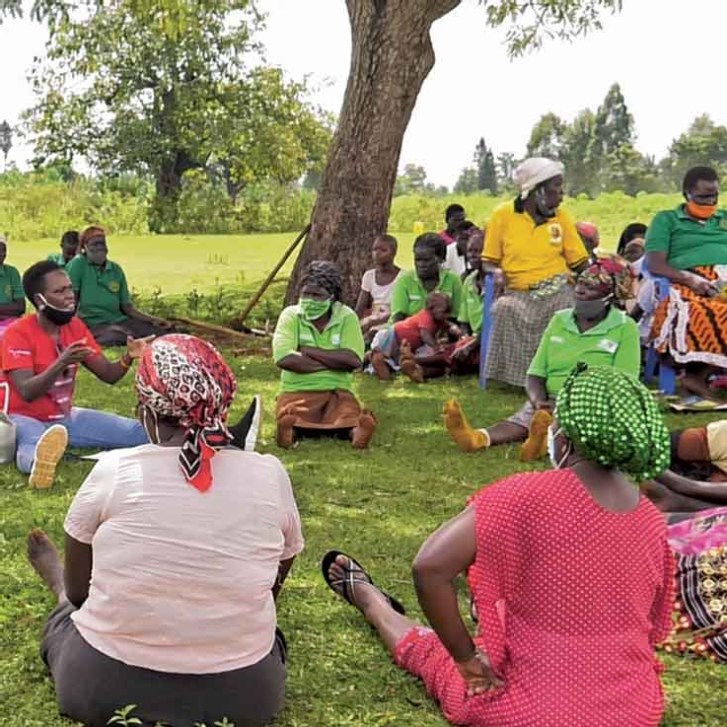
The government sector’s inadequate efforts to address climate change have spurred nonprofits like the emerging network Women’s Climate Centers International (WCCI) to take charge.
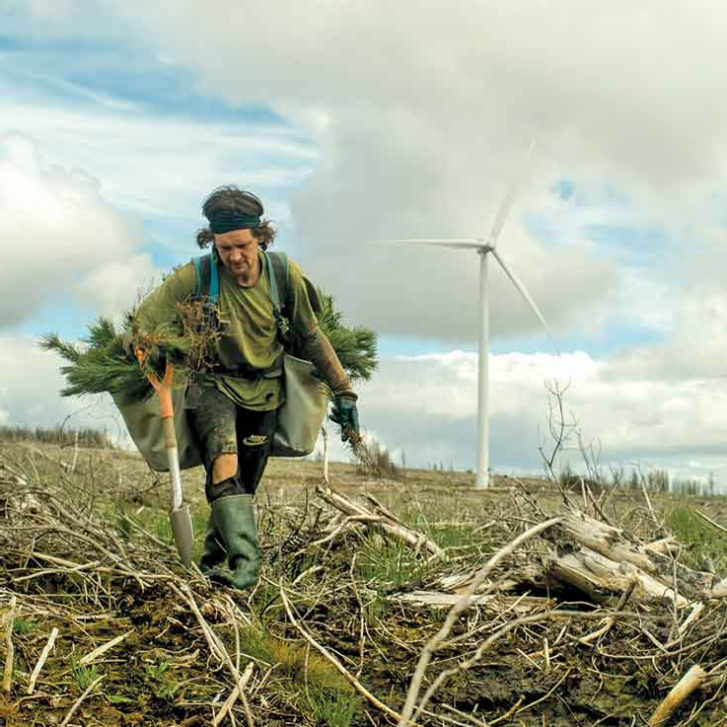
Gone West hires unemployed young adults to plant trees, turning reforestation into a profitable business.

An American funding collaborative is on a mission to help environmental advocates in Southeast Asia protect the Mekong River. Can it do so while navigating the tide of regional politics?