


sponsored
No City Stands Alone
Lessons from Los Angeles, Chicago, and Minneapolis on defending our neighbors and democracy
New and innovative ideas to help nonprofit leaders raise money, and to help funders and donors give more effectively (more)
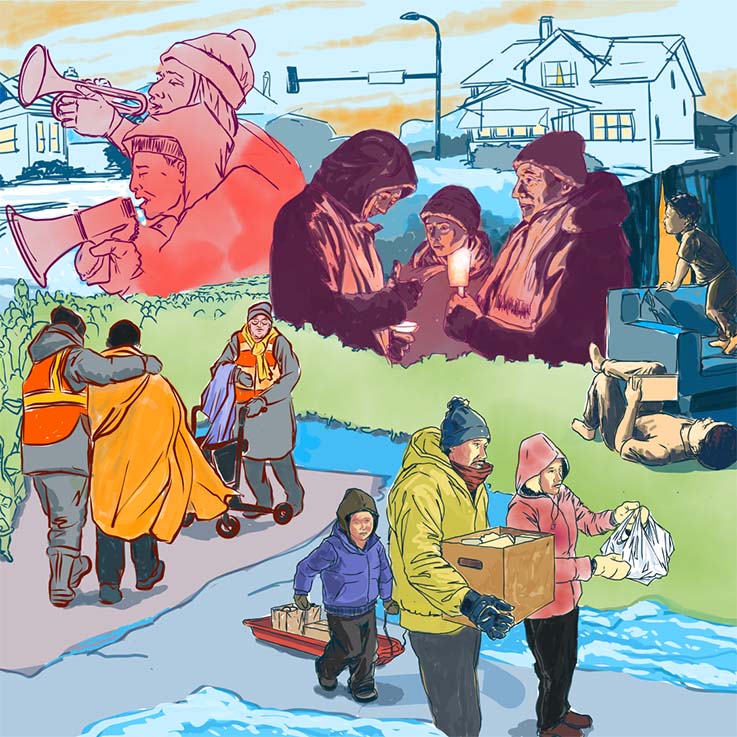
Lessons from Los Angeles, Chicago, and Minneapolis on defending our neighbors and democracy
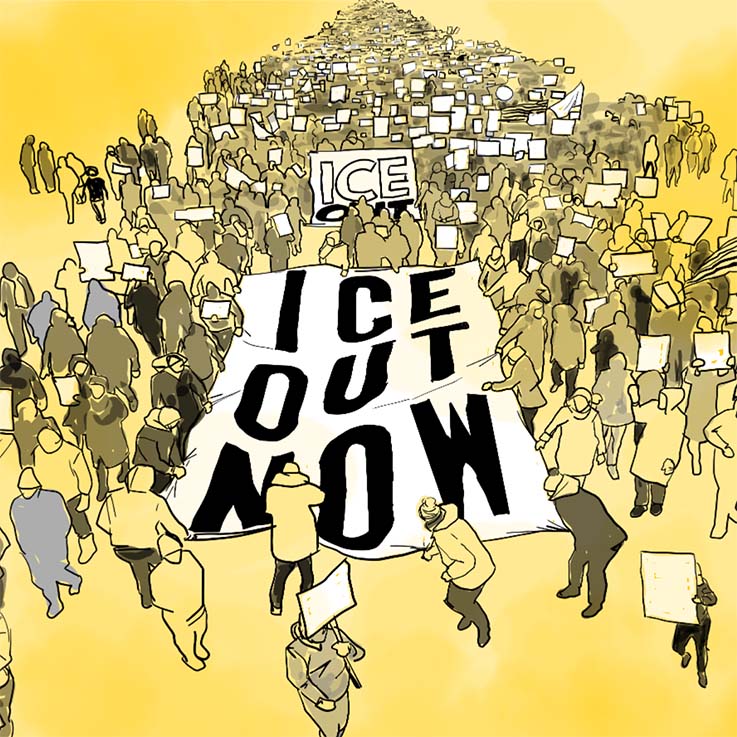
Building power in communities now will protect them from the next threat to democracy.
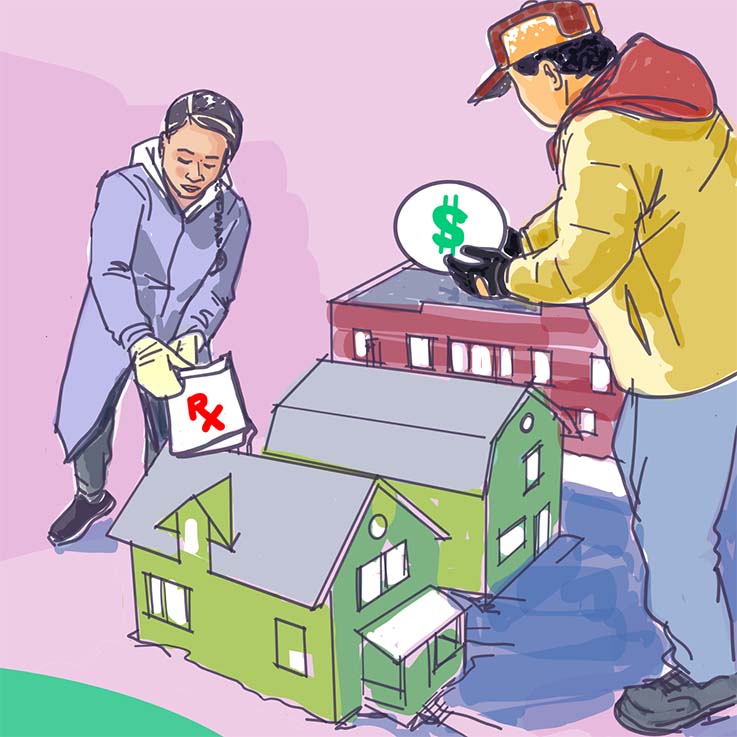
When the village cannot wait, philanthropy must learn from community.
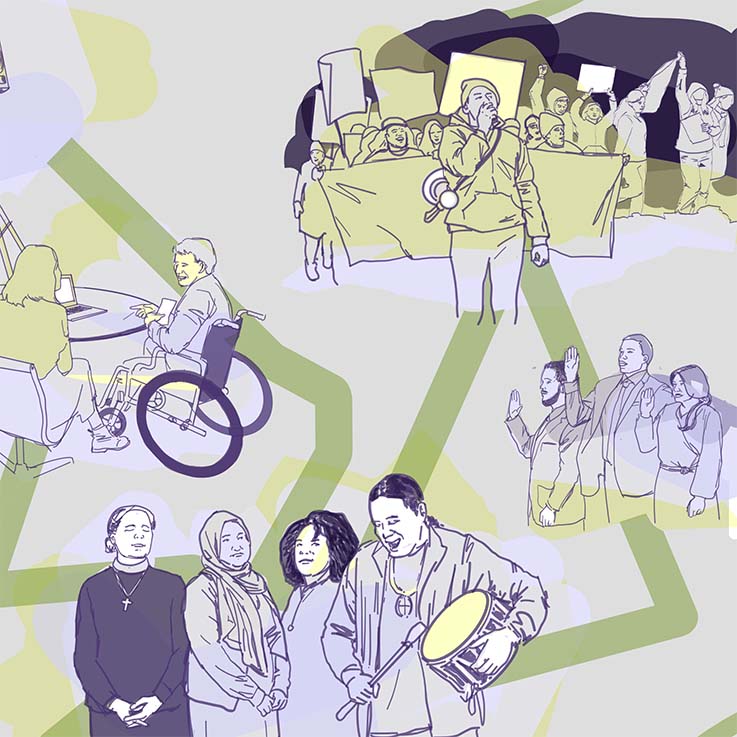
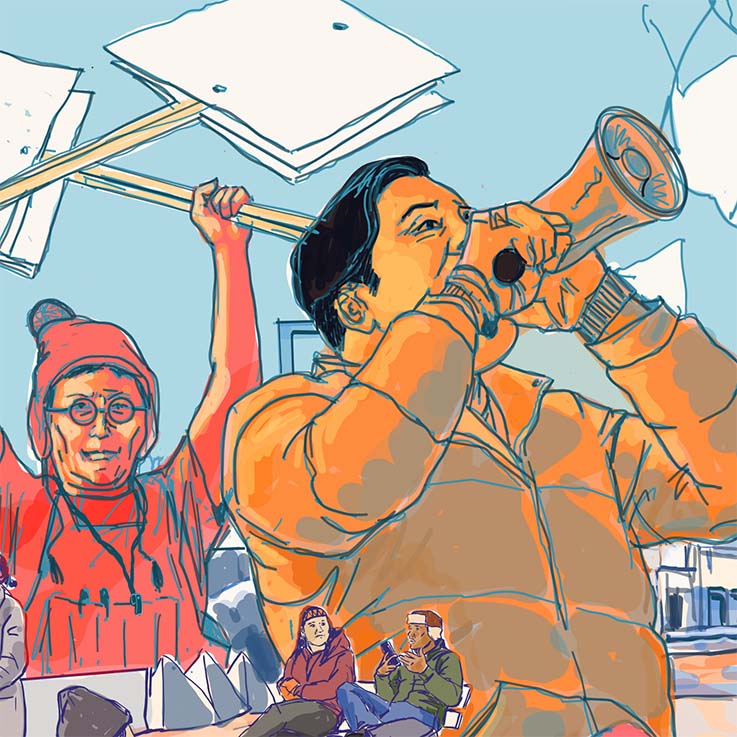
Recognition, distortion, and the organizing infrastructure behind Minnesota's response to Operation Metro Surge.
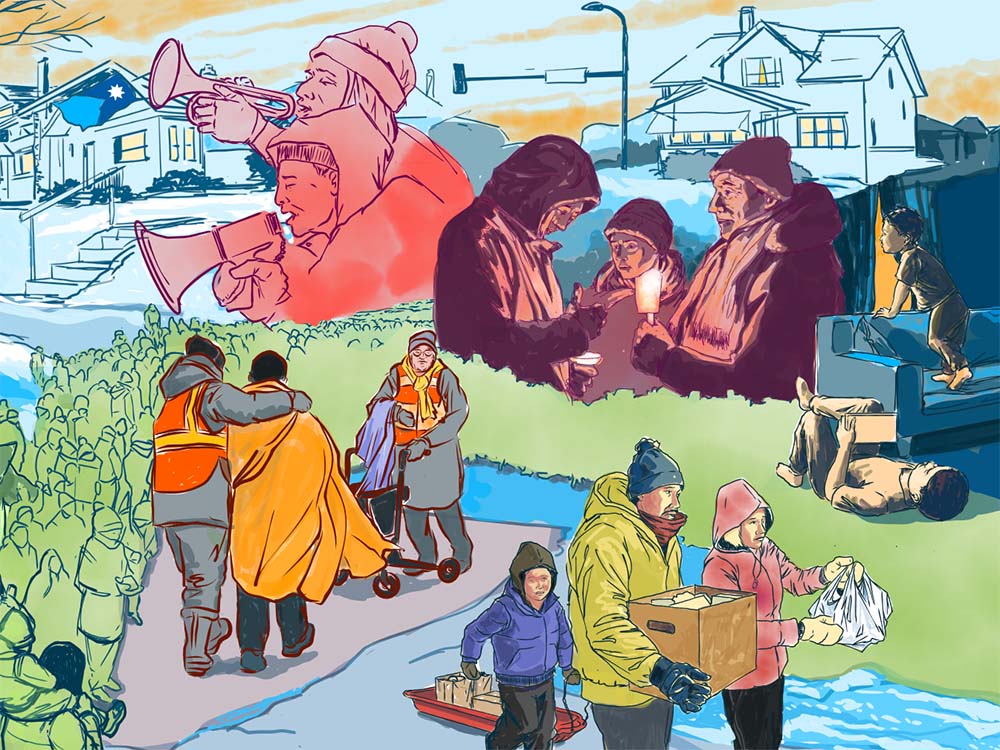
This article series, produced in partnership with and sponsored by the McKnight Foundation, brings together foundation leaders, community partners, and a mutual aid organizer to reflect on what happened during Operation Metro Surge in Minneapolis.

How an innovative public-private partnership responded rapidly to keep 82,000 families fed during a government shutdown.

A response to nine essays on renewing the purpose of public education

Lessons from Brazil on how science philanthropy can and should act in the face of political hostility.