


Coordinating Community Development
The Making Missing Markets initiative is marshaling funds and support groups to help towns across the United States.
New and innovative ideas to help nonprofit leaders raise money, and to help funders and donors give more effectively (more)
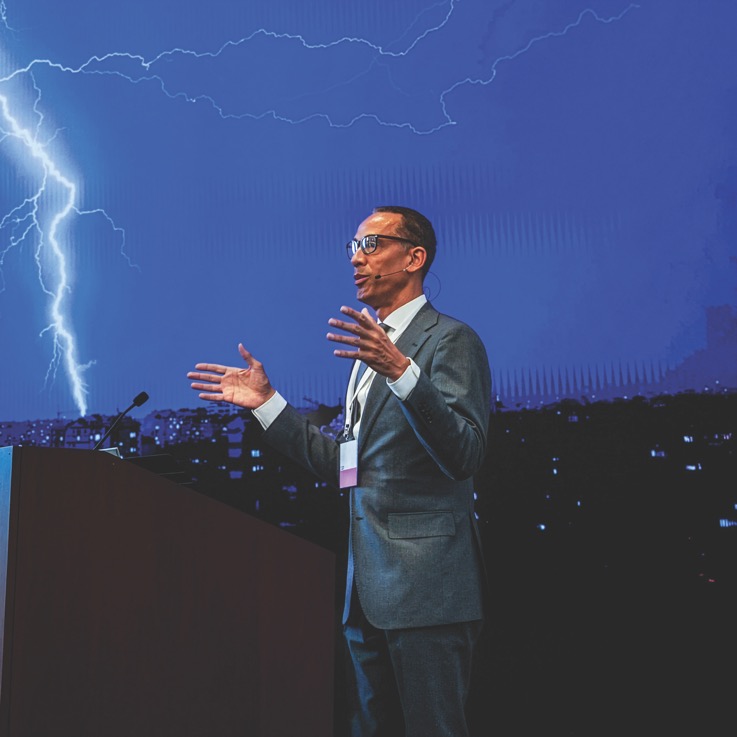
The Making Missing Markets initiative is marshaling funds and support groups to help towns across the United States.

To meet the moment, we need to build the middle ground between philanthropy and commercial investing.

How philanthropy can walk alongside national governments to scale development solutions that deliver over time

Scaling effective solutions often stalls in state government because funding systems are not designed to reward proof of impact. A new partnership model shows how states and funders can unlock smarter public spending together.

With the downfall of traditional government aid, local organizations around the world need infrastructure connecting them to private funding sources while protecting their missions.

How financial models that support long-term resilience and sustainability are helping local bookstores across the United States strengthen their role as Main Street anchors. | This article is free to all readers thanks to sponsorship by an SSIR supporter.

What a new generation of entrepreneurial donors should learn from legacy institutions and leaders.

As humanitarian aid agencies buckle under the collapse of financial support, the private sector must step in to invest in refugees and integrate them into the economy. We review three models of success and offer investment strategies. | This article is free to all readers thanks to sponsorship by the Frank Batten School of Leadership and Public Policy at the University of Virginia.

We judge philanthropic capital's impact by what it builds while it is building. We should judge by what stands, without it, after the grant has ended.

What SSIR readers are saying about articles on artificial intelligence, charitable giving, and navigating organizational disagreement.