


Building Donor Communities for New or Underfunded Issues
Five ways to engage philanthropists and advocates in early-stage or overlooked causes, such as intensive animal agriculture, that have outsized potential for impact.
New and innovative ideas to help nonprofit leaders raise money, and to help funders and donors give more effectively (more)

Five ways to engage philanthropists and advocates in early-stage or overlooked causes, such as intensive animal agriculture, that have outsized potential for impact.
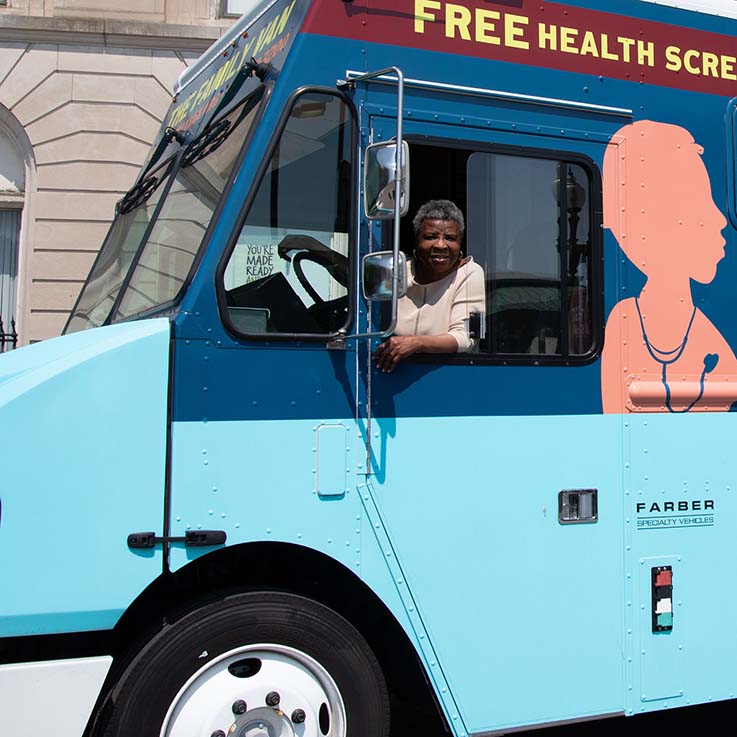
Scaling mobile health care can address long-standing health-care system distribution and prevention problems in the United States that cost people their lives.
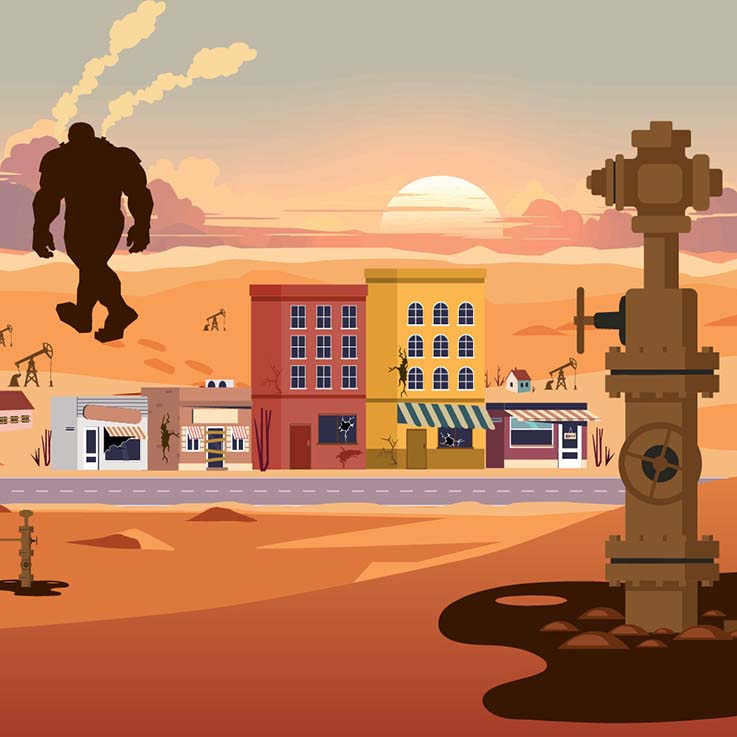
Investing in people and places is an antidote to the climate crisis.

To maximize impact during the sixth mass extinction, giving must focus on “where”
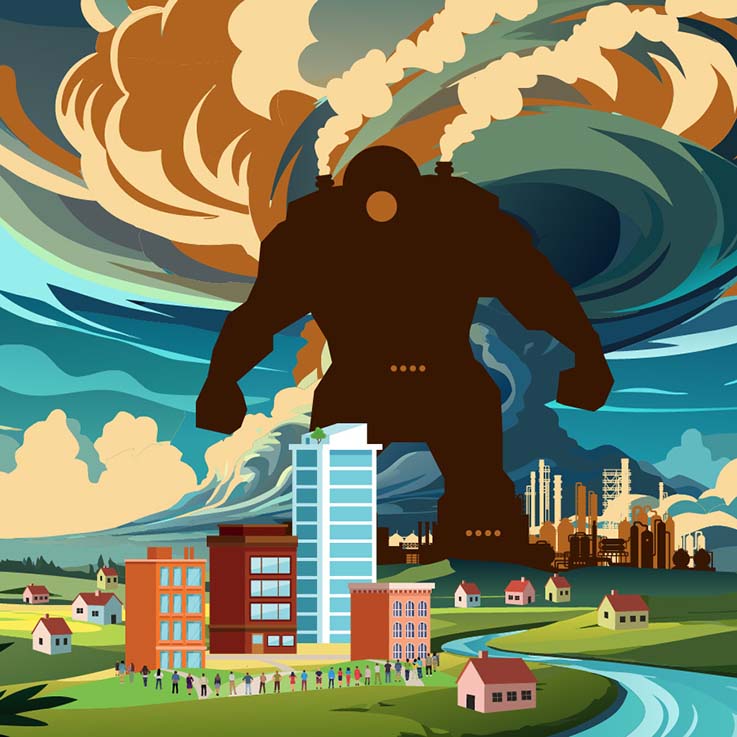
As regulatory rollbacks invite polluters to poison air, soil, and water, funders and advocates can respond by rallying around community-led solutions that prioritize health over corporate gain.

A new kind of infrastructure for collective impact initiatives.
Renewables are more reliable and affordable compared to their oil- and gas-powered alternatives. Can they survive political headwinds and continue to make big gains in the United States?
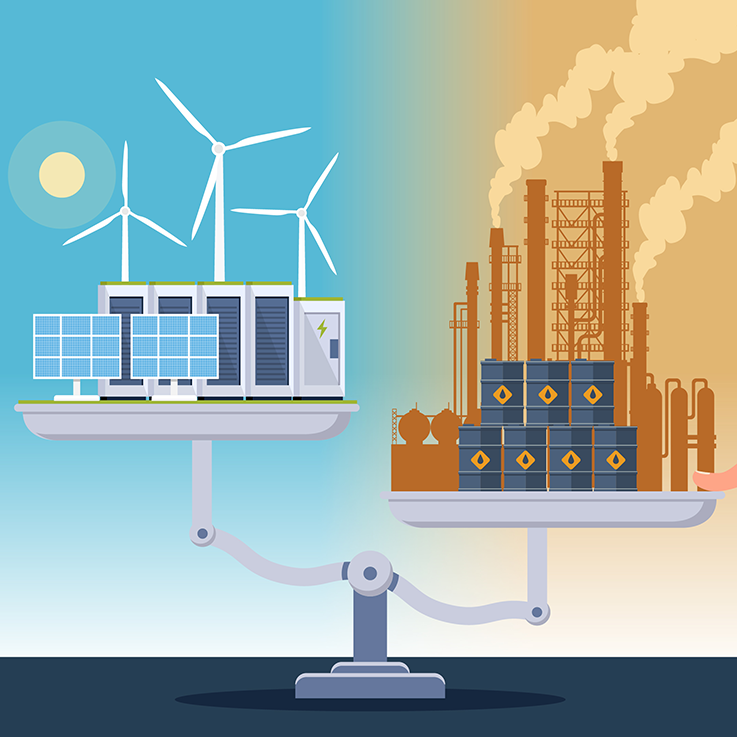
The ground-up work to stop US oil and gas expansion and create new climate politics

Why philanthropy must see disruption not as a detour but as an opportunity to positively transform systems—and three strategies to lead the way.
Many philanthropists have the capacity and desire to give more. A few simple strategies can help them overcome common roadblocks.