


A Spike Through Corruption
An excerpt from Rules for Whistleblowers on the whistleblowing and detection conundrum
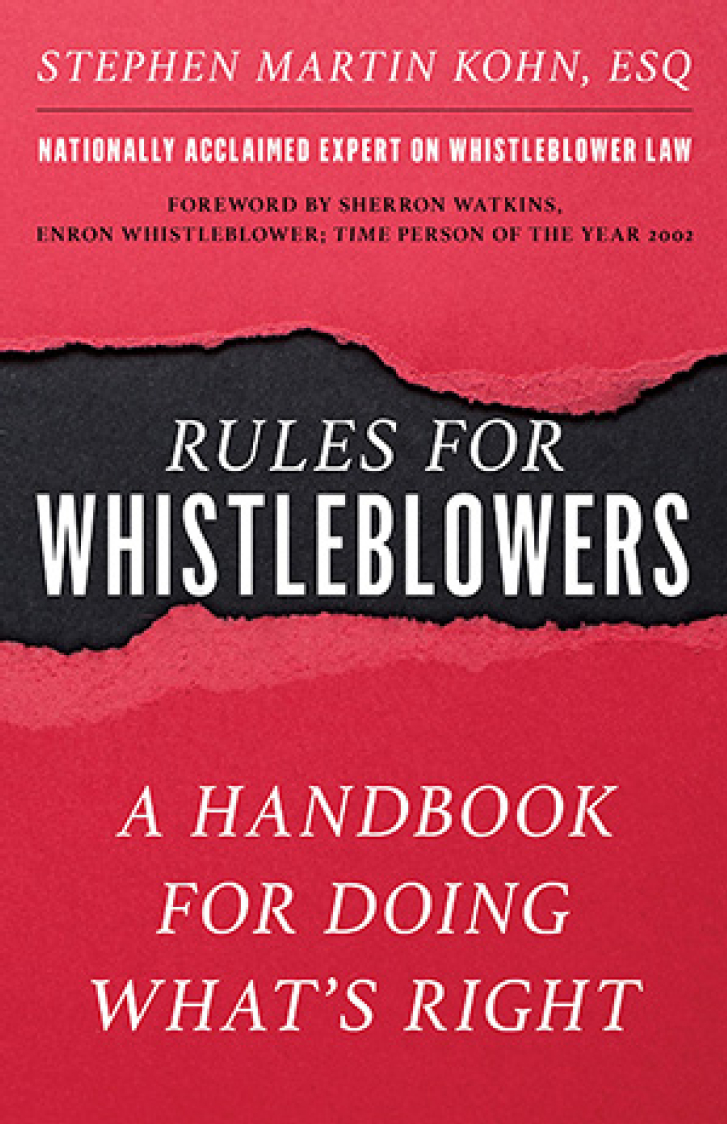
An excerpt from Rules for Whistleblowers on the whistleblowing and detection conundrum

Integrating mental health in social change workplaces allows us to cultivate new narratives and norms that will better sustain long-term engagement with social change.

A staggering misalignment of postsecondary education and training programs in the United States is leaving millions of critical jobs unfilled and millions of Americans missing opportunities for meaningful economic mobility. What needs to change?

Instead of exacerbating biases with the standard playbook, peer nominations help funders build a more efficient, equitable, and impactful pipeline.

How strategic capacity building and trust-based philanthropy can work in concert.

The fashion industry could decrease its environmental impact by shifting its sources of revenue from material and energy to labor.

Funders must examine how to realistically drive measurable progress on sustainability in the fashion industry.

Rather than canning the circular-economy concept altogether, business leaders and policy makers should prioritize sufficiency over recycling.

Collaboration is an essential driver for discovering and scaling innovative approaches that can move the fashion industry toward circularity.