


Preventing the Next Pandemic
Governments, academia, civil society, philanthropists, and the private sector must jointly take five priority actions to stop the global spread of disease.
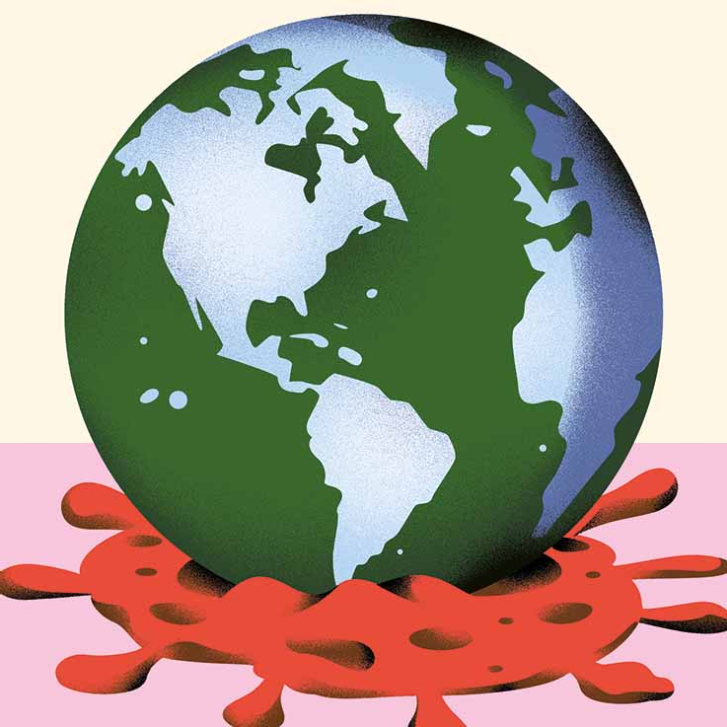
Governments, academia, civil society, philanthropists, and the private sector must jointly take five priority actions to stop the global spread of disease.

Efforts at improving global education too often fail to have the desired impact. Outcomes funds can help shift funders and policy makers toward the most effective approaches.

Education stops intergenerational transmission of disadvantages, Danish administrative data shows.

Targeted scholarships may draw underrepresented groups away from more lucrative funding.
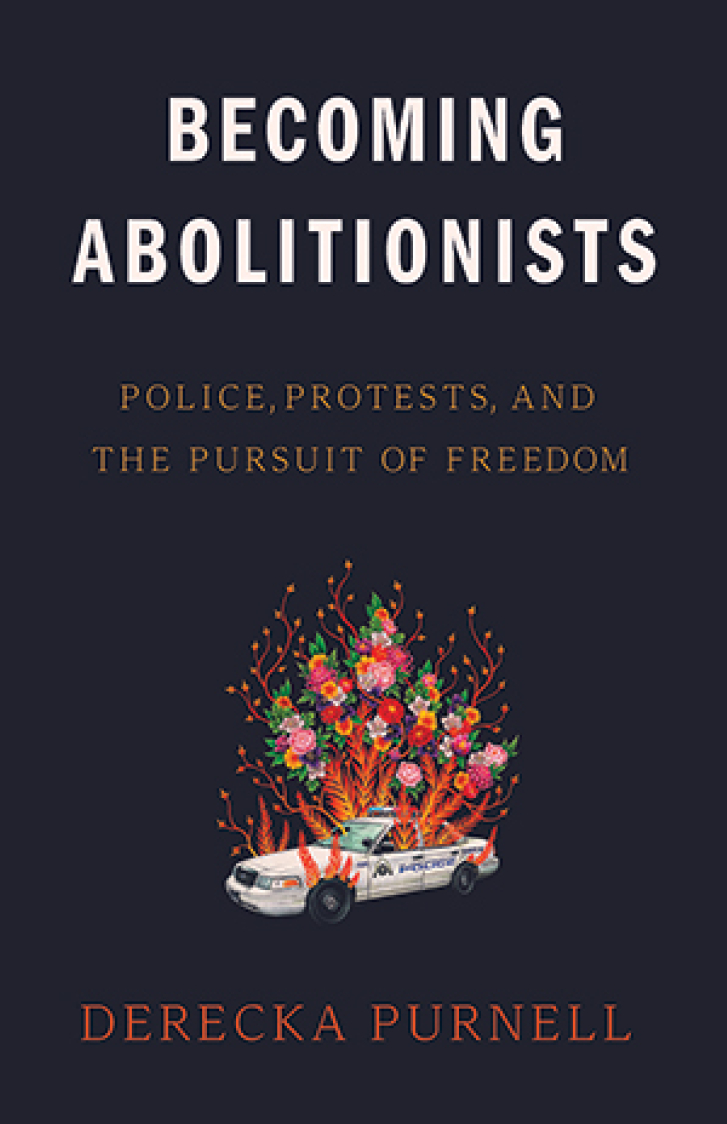
Arguing that police reform is impossible, Derecka Purnell charts an alternative path to building safer communities and a more just world.
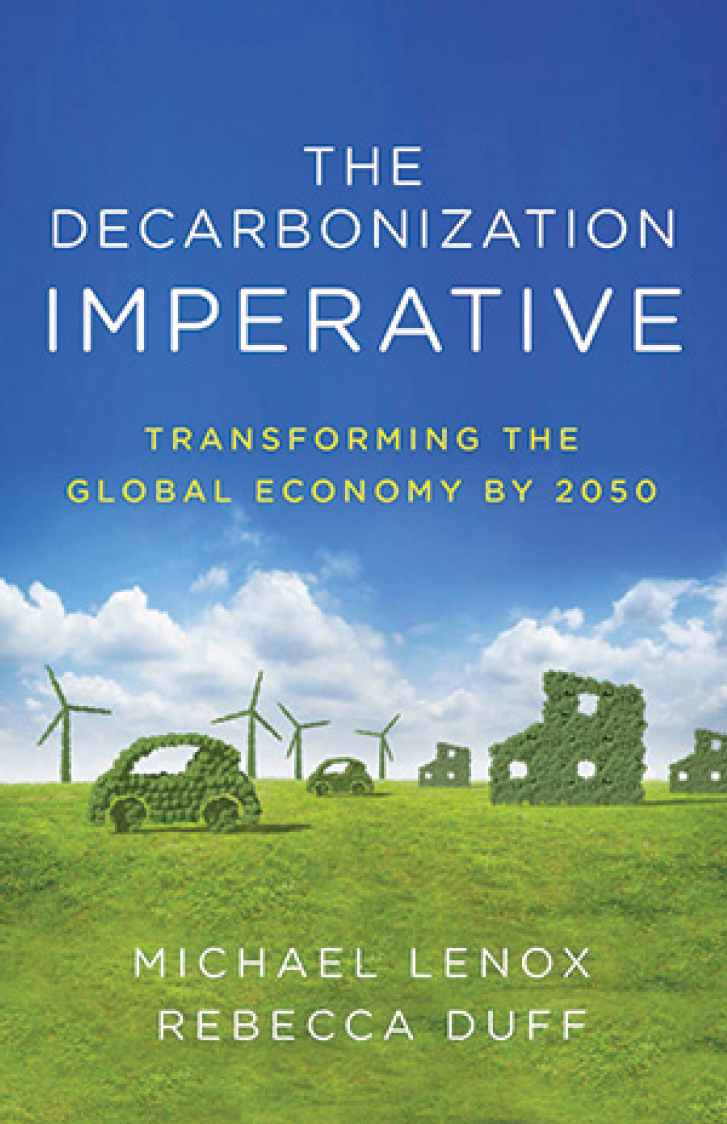
Authors Michael Lenox and Rebecca Duff call for disruptive innovations and radical reconfiguration of industries to decarbonize the planet by 2050.
A collection of standout pieces published online about impact accounting, intersectional storytelling, NGO endgames, universal basic income in South Korea, and a social enterprise supporting coffee growers in Central America.

The tens of thousands of Haitians who have migrated through Central and South America since 2010 have captured the attention of the media, immigration officials, and human rights advocates.
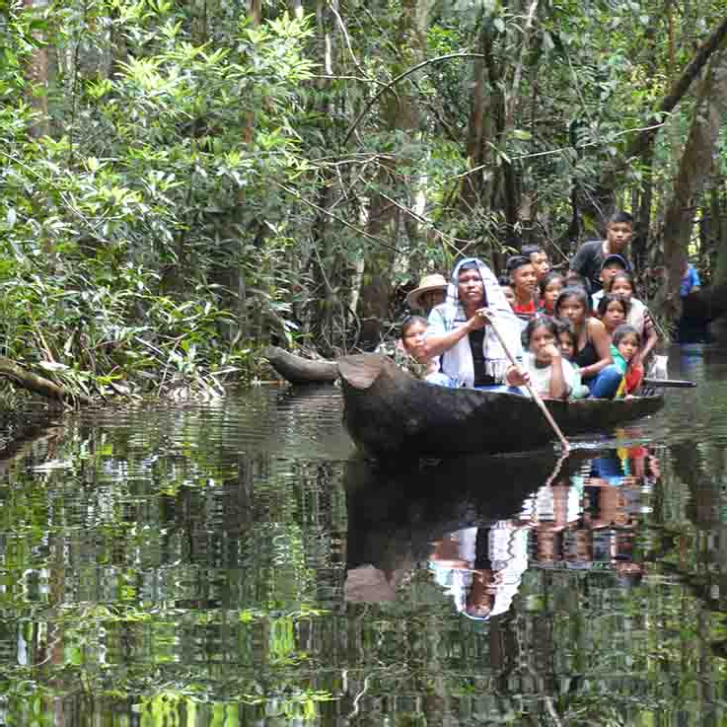
In Colombia’s Selva de Matavén Unified Indigenous Reserve, we can see what the REDD+ financing framework for carbon offsets can mean for the people living in the forests they sustain.
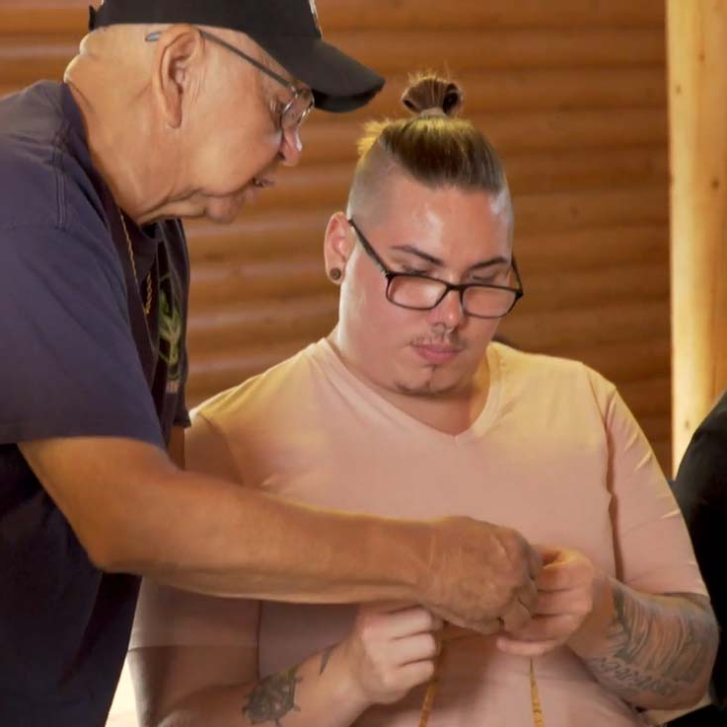
How five challenging realities are thwarting progress in public health, and how the sector can build strength to advance health equity, prepare for future pandemics, and face other emerging challenges.