


How Listening to Constituents Can Lead to Systems Change
Listening to participants allows nonprofits to go beyond the “what” of change to the “how and why,” the first step toward changing unjust systems.

Listening to participants allows nonprofits to go beyond the “what” of change to the “how and why,” the first step toward changing unjust systems.
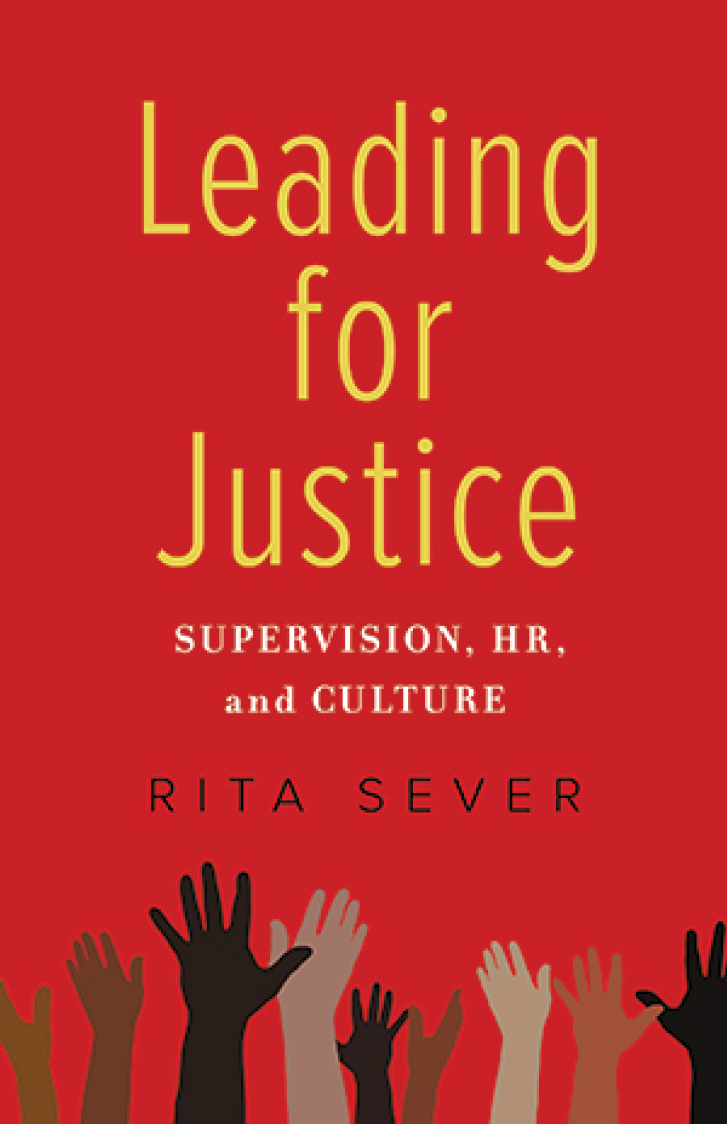
An excerpt from Leading for Justice on going beyond compliance and compensation in HR.

A new approach to tackling social problems orchestrates the participation of multiple stakeholders in the process from generating ideas to scaling solutions.

Economists have obsessed over the question of negative externalities, but market arrangements can also generate positive externalities. We should consider how to harness them for public good. | Open access to this article made possible by Harvard Business School Division of Research and Faculty Development

Systems change efforts that focus on boosting social capital and collective efficacy through building relationships within communities show promise. But do we have the patience to wait for them to work?
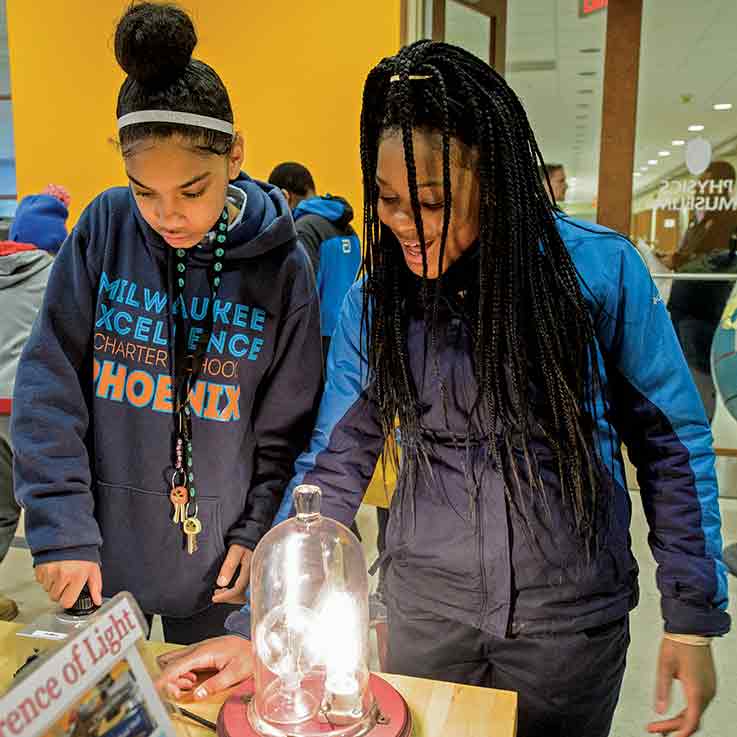
It’s time for science philanthropy and communication to cocreate a new era of partnership with communities of color. | Open-access to this article made possible by the Rita Allen Foundation.

Last spring, as the COVID-19 pandemic magnified the United States’ racial and class inequities, Teach for America endeavored to put philanthropic power in younger, more racially diverse hands.

Climate Risk Labs (CRL), one of the emerging nonprofits tackling the climate crisis, aims to accelerate climate science research and build partnerships that utilize CRL’s data sets to shape future clean energy solutions.

Nonprofit start-up Ameelio allows people outside of prisons to send their incarcerated friends and relatives postcards, letters, and photos—for free.

New Constellations works with communities to imagine new and better futures, starting with the renewal of Barrow-in-Furness in Great Britain.