


sponsored
Building the Public Interest Technology Infrastructure of the Future
How a robust public interest technology field can overcome historical inequities and ensure that everyone can fully benefit from technology.

How a robust public interest technology field can overcome historical inequities and ensure that everyone can fully benefit from technology.

Recent rapid growth in climate philanthropy risks redundancy, waste, and friendly fire.
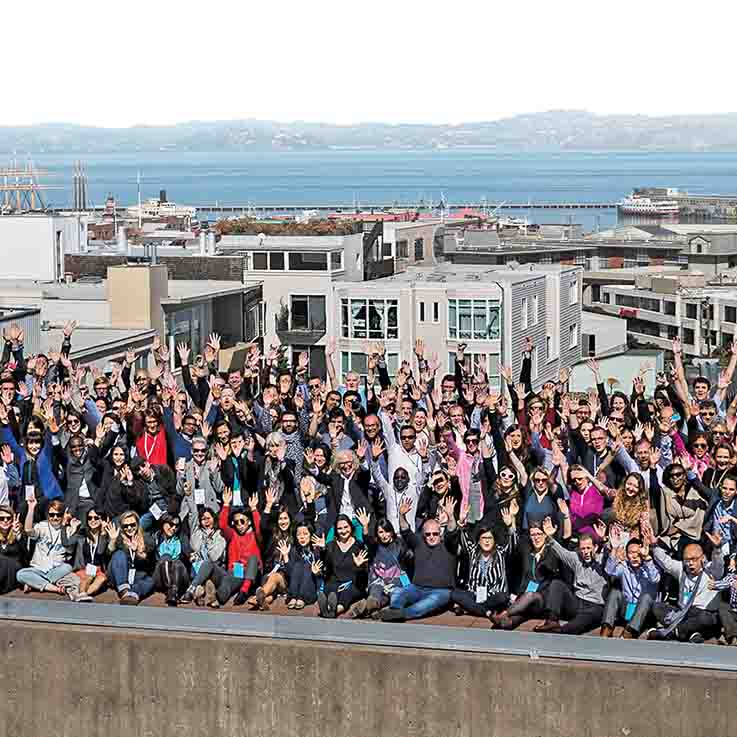
Lessons TechSoup learned from engaging stakeholders as impact investors to support their long-term growth.

When it comes to donations, people tend to reach for their credit card or checkbook first. However, donating non-cash assets, including real estate, cryptocurrency, artworks, or stocks can be a much more efficient way to maximize your impact. This episode explores the advantages of giving non-cash assets to charity. A sponsored podcast developed with the support of DAFgiving360.

Illinois’ Climate and Equitable Jobs Act shows that transformative policymaking is dependent on a genuinely inclusive process.

An excerpt from Deep Purpose on how the Indian firm Mahindra makes purpose an existential intention that informs every decision, practice, and process.

How a new officer position could be a catalyst for better board performance.

For a more equitable, inclusive, multiracial, and multiethnic democracy, we must invest substantive, resourced, and long-term decision-making power in the public.

An excerpt from The Tech That Comes Next on the technology needed to create a more inclusive, equitable world.