


Environment
The Power of Labels
Health-climate warning labels at gas pumps are gaining political momentum as research shows they can shift consumer attitudes away from fossil fuels.
Joint marketing programs between businesses and nonprofits that provide public benefits

Health-climate warning labels at gas pumps are gaining political momentum as research shows they can shift consumer attitudes away from fossil fuels.
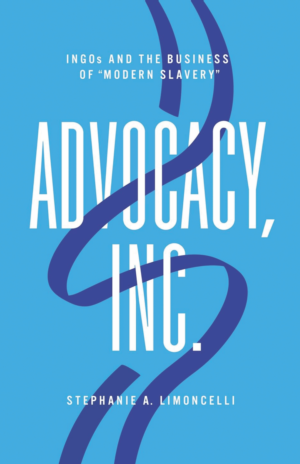
Stephanie Limoncelli's Advocacy, Inc. argues that the anti-slavery movement's business-friendly orientation impairs its ability to advocate on behalf of workers and exploited victims of trafficking.

Research demonstrates that social enterprises are political actors that seek to influence public policy and sociocultural norms.
Appeals for donations should be strategic about framing the request in terms of “need” or “want.”
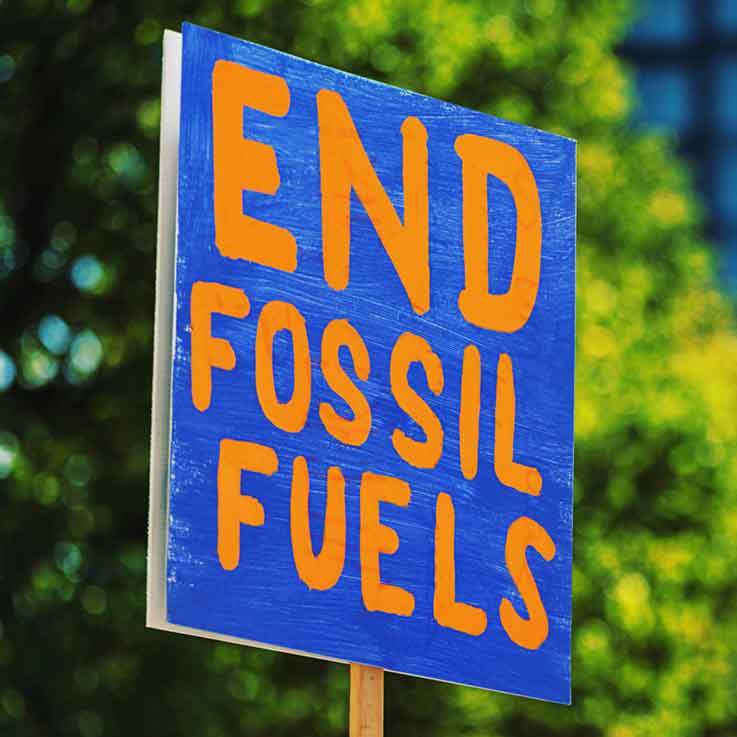
Activists use moral analogies with rogue industries and states to stigmatize fossil fuels.


For the past 30 years, celebrated academics and business leaders have promoted the idea that companies often profit by addressing social and environmental problems. Although these proposals have been hailed as promising breakthroughs, they are unscientific and counterproductive.

The value of a nonprofit is the presence and participation of its stakeholders and constituents. Technology creates the framework to make that value real. Part of the Technology for Change supplement sponsored by Salesforce in the Summer 2020 issue.

How Shared Hope International uses digital tools and meaningful grassroots experiences to activate support.

Pencils of Promise CEO Tanya Ramos blazes new trails as an early adopter of digital tools.

Two researchers have identified what they call “the greenconsumption effect," defined as “warm glow feelings” that accompany the use of environmentally friendly products. A Research article from the Spring 2020 issue.