


Health
How to Build Digital Health Platforms in Emerging Markets
In developing economies, the digital health platforms that actually work are not imported. They are built from scratch by the communities they serve.

In developing economies, the digital health platforms that actually work are not imported. They are built from scratch by the communities they serve.

What the next economic phase of artificial intelligence means for public interest work and how organizations can protect equity, access, and themselves.

By streamlining tasks, Avalon Health AI seeks to boost the health-care sector's efficiency in Zimbabwe.
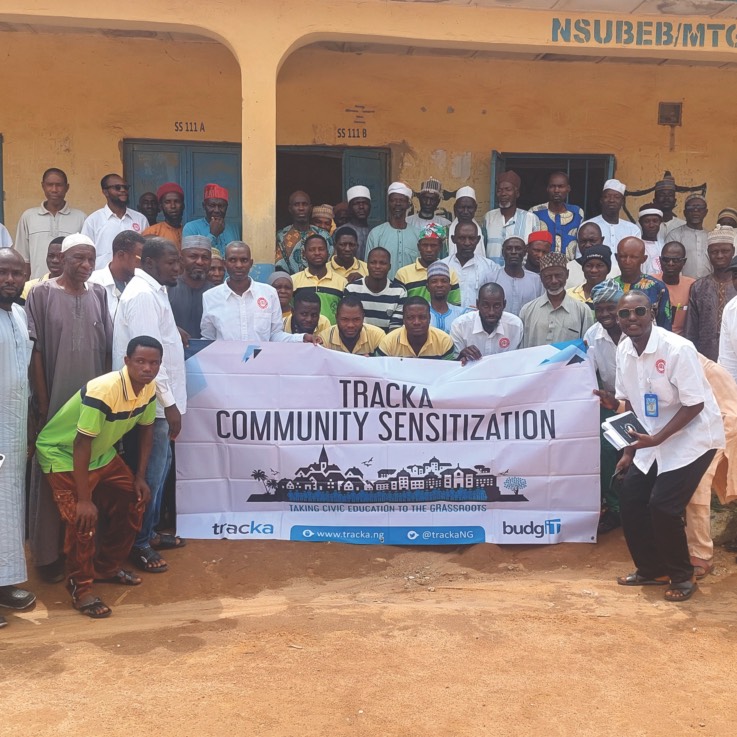
Tracka seeks to close the accountability gap between the Nigerian government and its citizens.
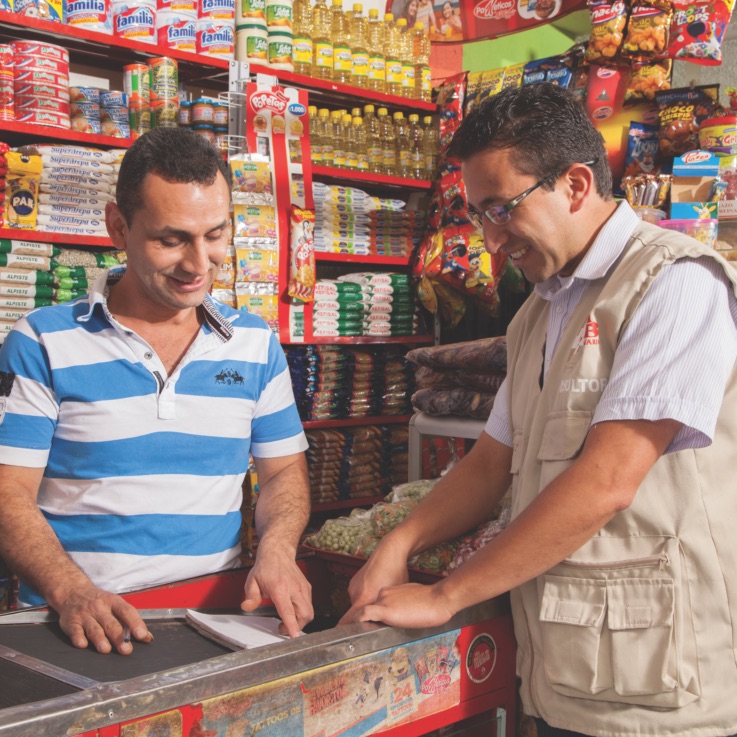
Forty years ago, FUNDES launched to serve small enterprises in Latin America. The organization had to reinvent itself many times to survive but continues to support the region’s economic and social development. | Open access to this article made possible by the University of Geneva


With traditional community spaces underfunded and neglected, investing in the health of our online gathering places has become essential.

Although digital technology and society are increasingly and inextricably linked, digital technology must develop in service of society. We must first define the type of society we want and then determine how best to use technology’s potential to realize it. | Open access to this article is made possible by the Omidyar Network.

A look at the data assets we can build on.

Bringing high-tech operations into the geographical heart of excluded communities jump-starts mass participation, galvanizing economic advancement for their members while challenging accepted norms of diversity, equity, and inclusion.

People from disadvantaged communities have largely been cut off from the tech cornucopia. It doesn’t have to be this way.