


Economic Development
A Model for Restoring the Rust Belt
Deindustrialization hit Chicago's south suburbs hard. Can the Southland Development Authority breathe new life into the area and promote a template for reviving regions?

Deindustrialization hit Chicago's south suburbs hard. Can the Southland Development Authority breathe new life into the area and promote a template for reviving regions?
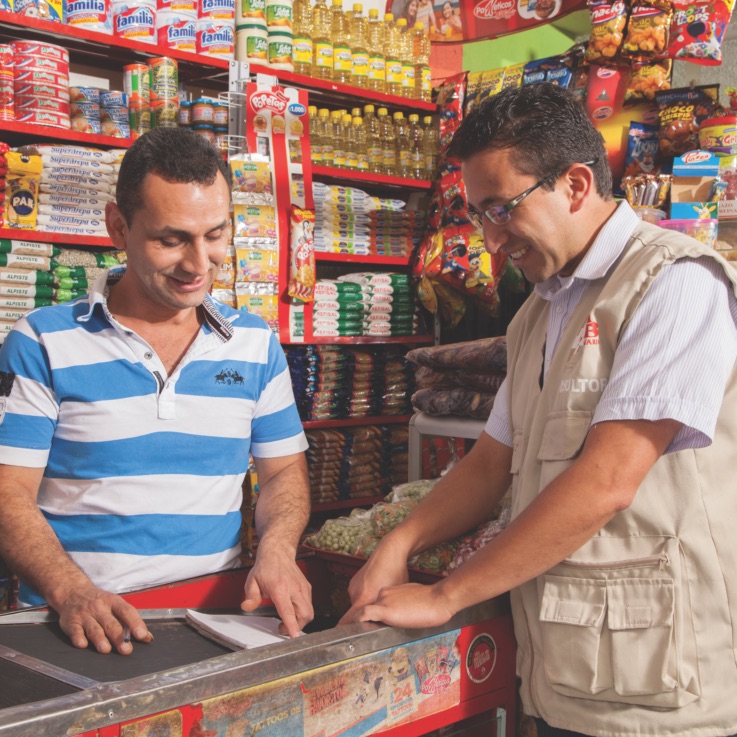
Forty years ago, FUNDES launched to serve small enterprises in Latin America. The organization had to reinvent itself many times to survive but continues to support the region’s economic and social development. | Open access to this article made possible by the University of Geneva

Research demonstrates that social enterprises are political actors that seek to influence public policy and sociocultural norms.

There are many reasons why philanthropists still haven’t supported SMEs at the scale we need. They need to get over it; the opportunity to leverage impact is enormous.

Social enterprise law around the world faces a difficult trade-off between cultivating public trust and promoting scale. The sector will benefit by getting clearer on the available options.


Without a clear understanding of the gaps in the market, it is difficult for impact investors to develop sound strategies to fill them.

Mexico’s Pixza began as a social inclusion vehicle for homeless adults through a pizza business. Its evolution demonstrates how social entrepreneurs can leverage purpose to sustain organizations through a crisis and to reengineer business models to foster greater impact.

Social enterprises do more for communities by eschewing the Silicon Valley model.
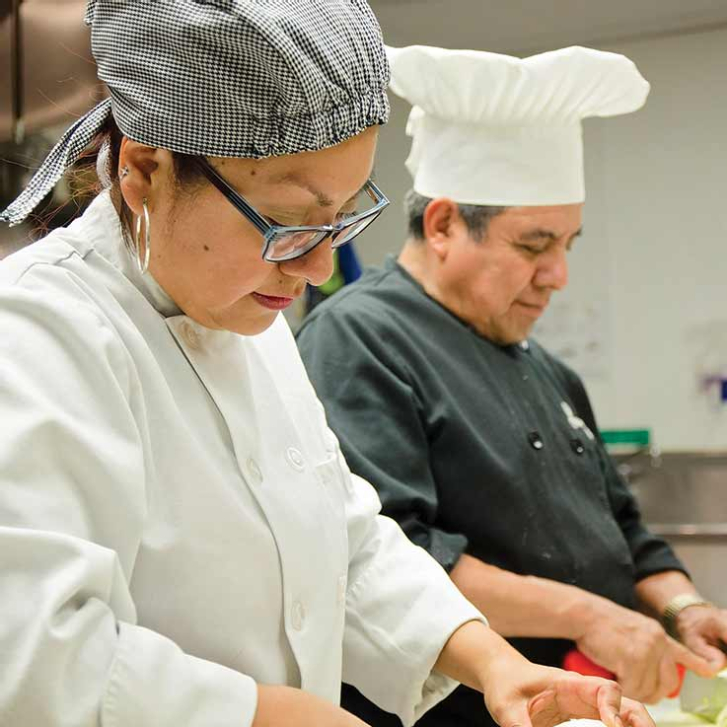
The Bienvenido Program engages Latinx communities to better understand their mental health concerns and to develop a program that meets their needs.

New laws enabling ordinary people to become equity investors have the potential to uplift marginalized communities, if the new market creates the infrastructure to include them.