


sponsored
Funding Liberation
To create the world we want, we must build a wealth management system rooted in belonging for all.

To create the world we want, we must build a wealth management system rooted in belonging for all.
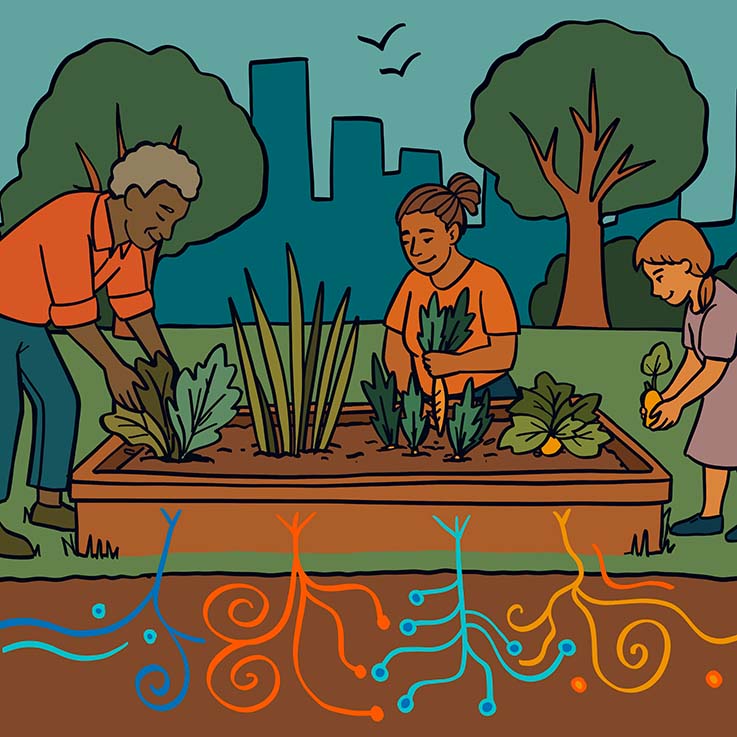
Why our overreliance on dominant data is failing communities and how community data provides a solution.
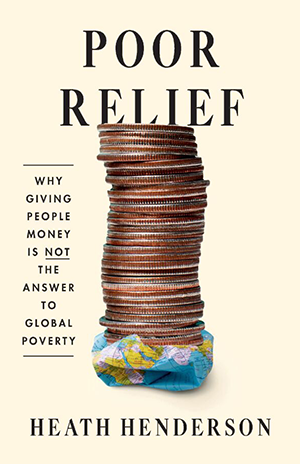
An excerpt from Poor Relief against the one-size-fits-all solutionism of cash transfers

The changing nature of jobs means workers need new education and training infrastructure to match.
Why climate-related philanthropy must invest in the human capacities to get the work done.


Fair Trade-certified coffee is growing in sales, but strict certification requirements are resulting in uneven economic advantages for coffee growers and lower quality coffee for consumers.

Six pathways to making housing more affordable and available from the Ivory Prize for Housing Affordability.

Why Kiva chose to be a 501(c)(3), what this tax status buys the organization, and how being a nonprofit poses challenges.

A new approach to measuring poverty is needed, one that accounts for multiple factors such as housing, and regional economic differences.

To cure the social sector’s metric monomania, we must get comfortable with complexity.