

Dismissing Microfinance Won’t Help Solve Global Poverty
Microfinance isn’t a cure-all solution to poverty, but abandoning it would ignore the real evidence that responsible financial services make a positive, lasting impact on people’s lives.
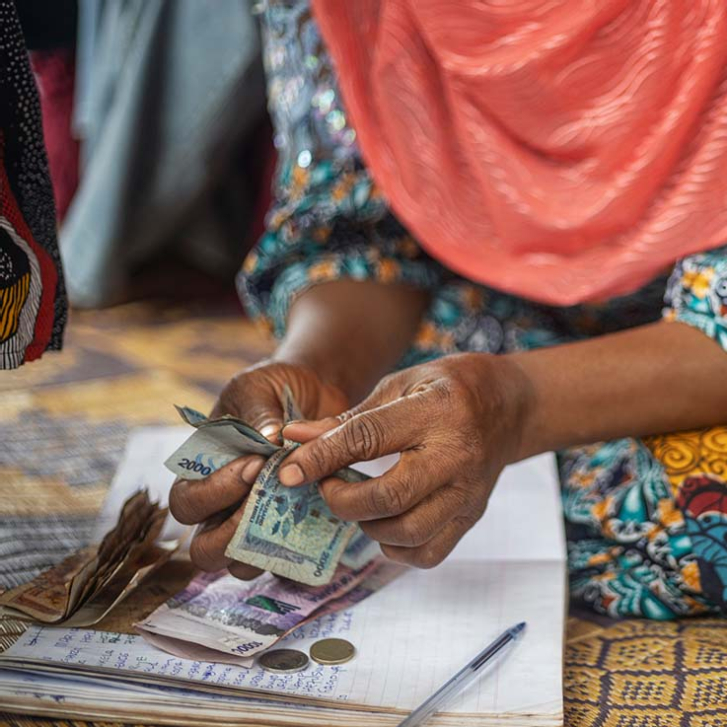
Microfinance isn’t a cure-all solution to poverty, but abandoning it would ignore the real evidence that responsible financial services make a positive, lasting impact on people’s lives.
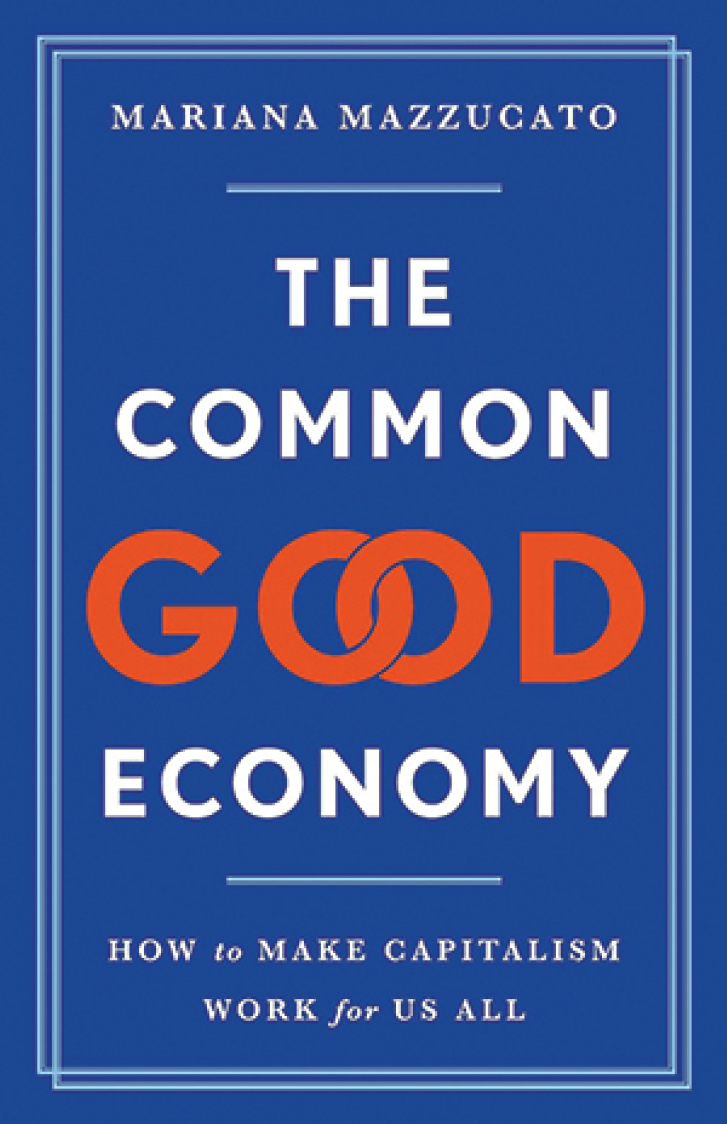
In The Common Good Economy, Mariana Mazzucato is clear-eyed on where we need to go, but the next step is understanding the power structures that prevent us from getting there.

How well-targeted investments can help unlock the full potential of Black higher education.
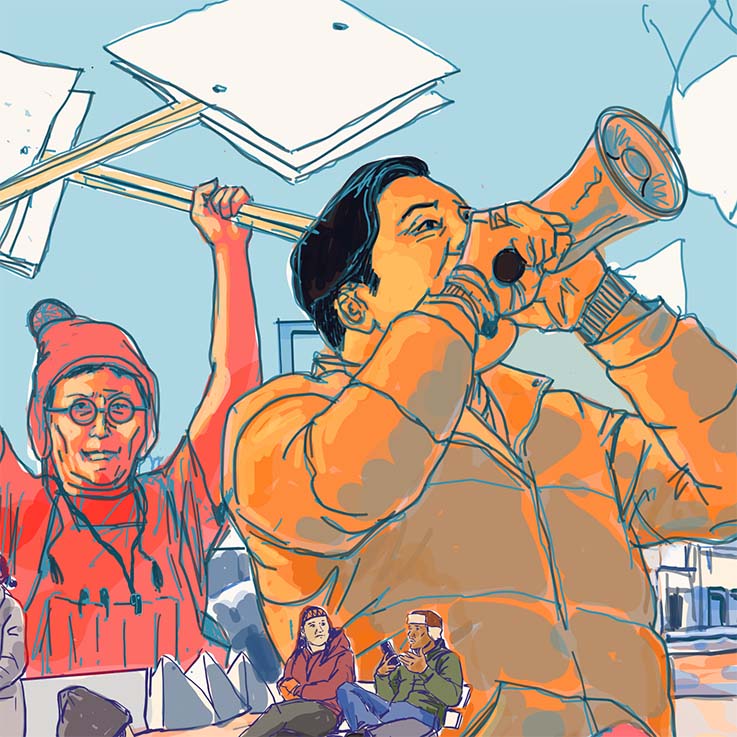
Recognition, distortion, and the organizing infrastructure behind Minnesota's response to Operation Metro Surge.
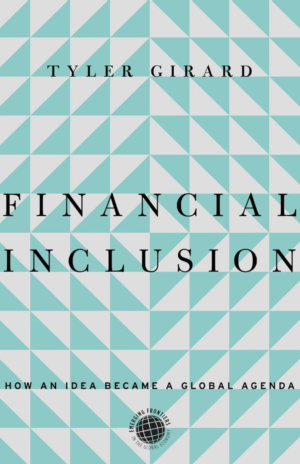
Two recent books explore the modern prominence of the global financial-inclusion agenda and argue about how it got there.


Fair Trade-certified coffee is growing in sales, but strict certification requirements are resulting in uneven economic advantages for coffee growers and lower quality coffee for consumers.

Six pathways to making housing more affordable and available from the Ivory Prize for Housing Affordability.

Why Kiva chose to be a 501(c)(3), what this tax status buys the organization, and how being a nonprofit poses challenges.

A new approach to measuring poverty is needed, one that accounts for multiple factors such as housing, and regional economic differences.

To cure the social sector’s metric monomania, we must get comfortable with complexity.