


From Climate Policy to Climate Talent
Why climate-related philanthropy must invest in the human capacities to get the work done.
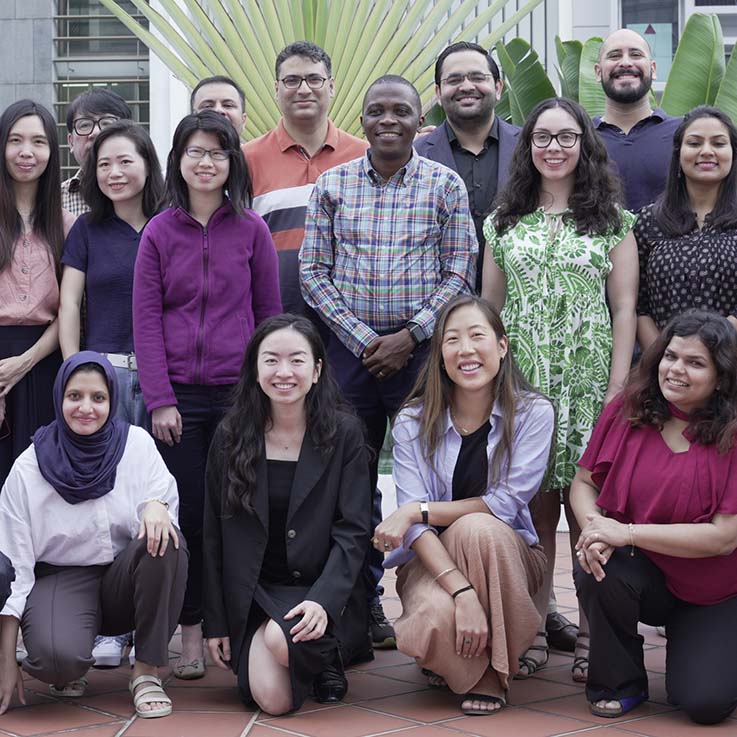
Why climate-related philanthropy must invest in the human capacities to get the work done.
How have nonprofits adapted their strategies to help mitigate climate change? How can donors best support climate solutions? Leaders from the One Acre Fund and The Nature Conservancy discuss how climate change is shaping their work and ways philanthropy can step in with catalytic funding. A sponsored podcast developed with the support of DAFgiving360

Foundations and nonprofits built the tools that companies now use for ESG reporting, brand credibility, and risk management. Is there a funding model for maintaining these tools so they remain credible, transparent, and financially viable?
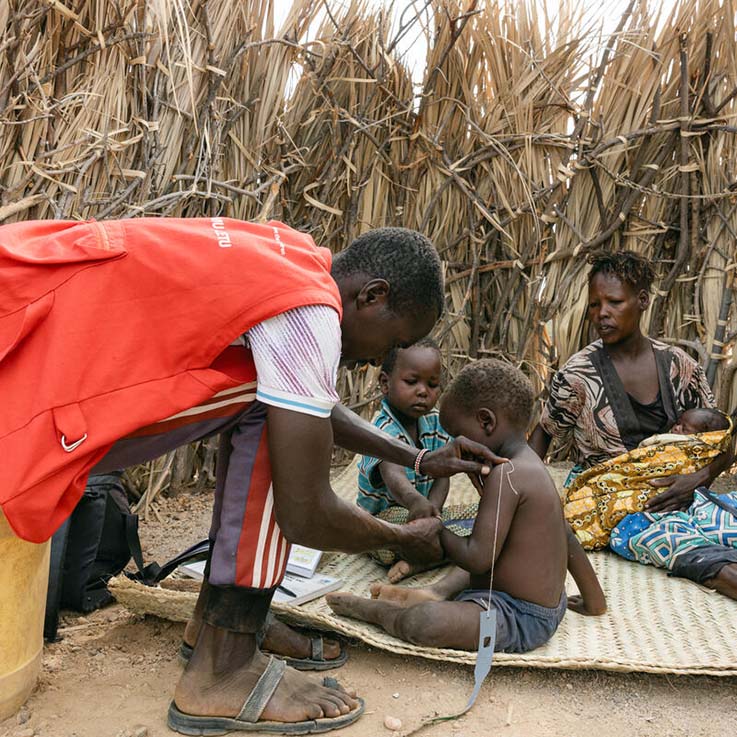
Development aid is not a handout but a catalyst for partnership in global stability.

Climate change and slavery form a vicious cycle. Collective action for a free and livable future is an opportunity to combat both at once.


The key to creating a vibrant and sustainable company is to find ways to get all employees personally engaged in day-to-day corporate sustainability efforts.

The era of corporations integrating sustainable practices is being surpassed by a new age of corporations actively transforming the market to make it more sustainable. Open access to this article is made possible by The Regents of the University of Michigan on behalf of the Erb Institute.

For much of its history, Wal-Mart’s corporate management team toiled inside its “Bentonville Bubble,” narrowly focused on operational efficiency, growth, and profits. But now the world's largest retailer has widened its sights, building networks of employees, nonprofits, government agencies, and suppliers to “green” its supply chains. Here's how and why the world’s largest retailer is using a network approach to decrease its environmental footprint – and to increase its profitability.

To do as much good as possible with limited resources, funders should look to woefully underfunded protest movements.

Using artificial intelligence to predict behavior can lead to devastating policy mistakes. Health and development programs must learn to apply causal models that better explain why people behave the way they do to help identify the most effective levers for change.