


A Slick Vehicle for Street Food
A specially designed food cart that combines high social impact with reduced environmental impact.
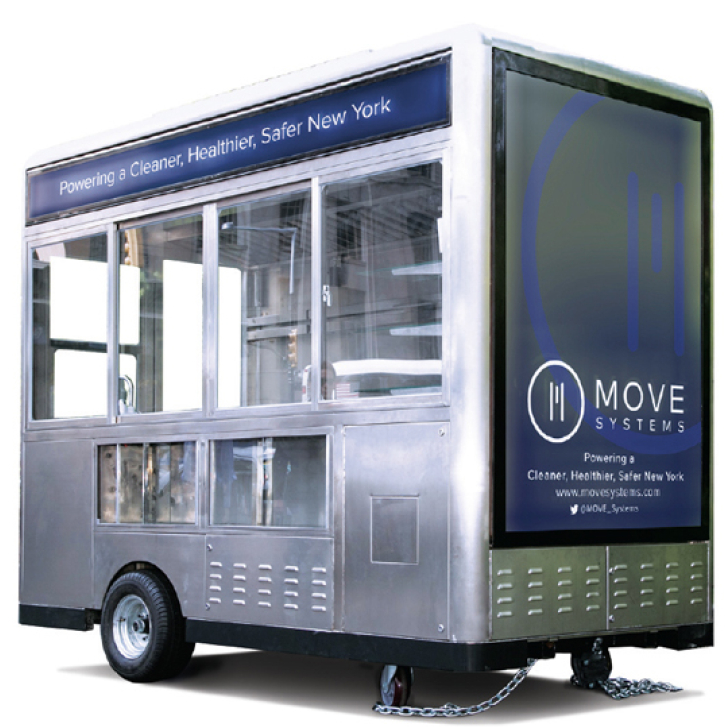
A specially designed food cart that combines high social impact with reduced environmental impact.

A recent experiment in Brazil shows that successfully getting fortified foods to people who need them is as much about aspiration as access.
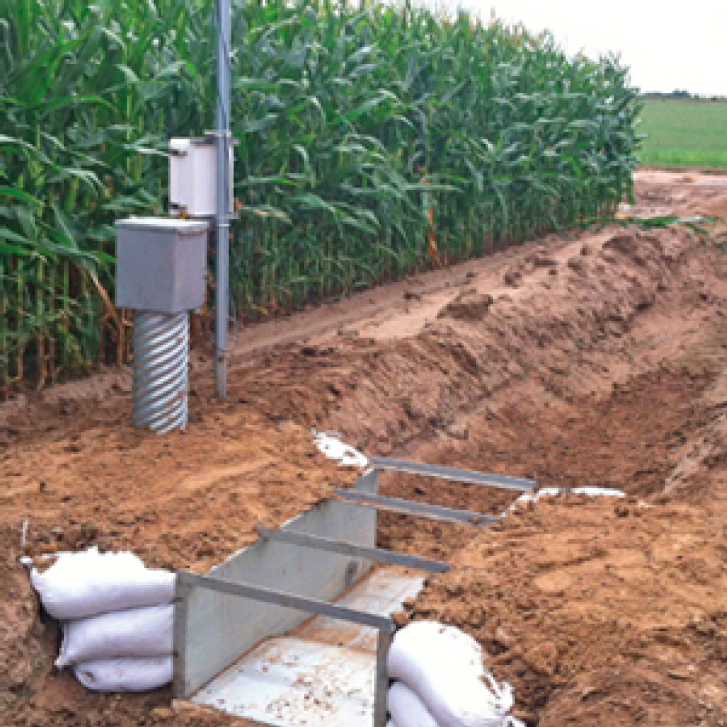
A system that combines software and sensors promises to improve farmers’ ability to manage, conserve, and lease water.

Delivering nutritious school lunch fare on a large scale is the social mission—and the business model—of Revolution Foods.

“Work with the willing” is an important lesson that I learned the hard way.


With an understanding of these 10 funding models, nonprofit leaders can use the for-profit world's valuable practice of engaging in succinct and clear conversations about long-term financial strategy.

At Panera Cares cafés, there’s a donation box where customers pay on the honor system.

Disseminating innovations takes a distinct, sophisticated skill set, one that often requires customizing the program to new circumstances, not replicating.
It’s time to reform how we grow food and what we have for dinner, says Bruce Boyd, principal and managing director at Arabella Philanthropic Investment Advisors.

How businesses can transform procurement practices to strengthen farmer livelihoods and improve environmental impacts.