


Grappling With Systems Collapse: How Social Sector Leaders Can Respond
The social sector needs new models for understanding what impact might be possible when the systems we operate in fall apart.

The social sector needs new models for understanding what impact might be possible when the systems we operate in fall apart.

An excerpt from Pioneers on the ideas that cross borders and boundaries
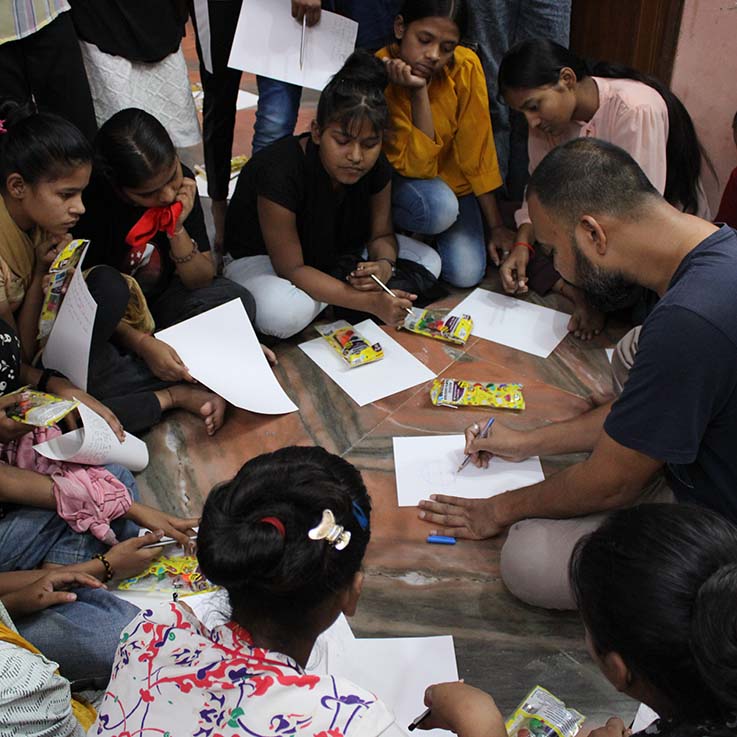
In the suburbs of Delhi, girls who have survived violence find inspiration in the indomitable spirit of artist-activists like Frida Kahlo and engage with self-portraiture as a means of building self-confidence.

An excerpt from Everyday Habits for Transforming Systems on finding the leverage points for change

As the politicization of what should be apolitical anti-discrimination practices grows, the stakes for workers, consumers, investors, and communities have never been higher.


Professionalism has become coded language for white favoritism in workplace practices that more often than not leave behind people of color. This is the fourth of 10 articles in a special series about diversity, equity, and inclusion.

Social entrepreneurship is attracting growing amounts of talent, money, and attention, but along with its increasing popularity has come less certainty about what exactly a social entrepreneur is and does.

Conventional wisdom says that scaling social innovation starts with strengthening internal management capabilities. This study of 12 high-impact nonprofits, however, shows that real social change happens when organizations go outside their own walls and find creative ways to enlist the help of others.

Business leaders play vital roles in the nonprofit sector – as board members, donors, partners, and even executives. Yet all too often they underestimate the unique challenges of managing nonprofit organizations.

The deep changes necessary to accelerate progress against society's most intractable problems require someone who catalyzes collective leadership.