


Who Will Raise the Money When the Money Raisers Are Gone?
To solve the talent crisis, we must move from transactionalism to transformation.

To solve the talent crisis, we must move from transactionalism to transformation.

A single public metric ranking DAF sponsors by the share of assets they deploy would turn the incentive to accumulate wealth into a race to give.

Amid much discussion about the future of philanthropy, one mystery deserves more attention: Why does the giving of so many ultra-wealthy people lag far behind the aspirations they express?

A response to SSIR’s Summer 2026 cover essay.

Many modern philanthropists are building impact that lasts, though it may not look like the brick-and-mortar projects of previous eras. These five dimensions are a helpful guide.


With an understanding of these 10 funding models, nonprofit leaders can use the for-profit world's valuable practice of engaging in succinct and clear conversations about long-term financial strategy.

A decade of applying the collective impact approach to address social problems has taught us that equity is central to the work.
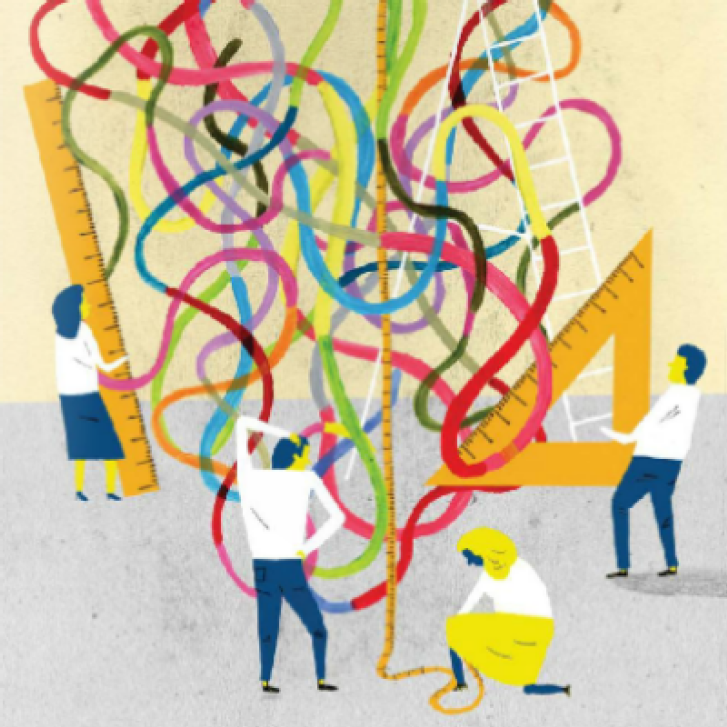
Too many people believe social value is objective, fixed, and stable, when in fact it is subjective, malleable, and variable.

To do as much good as possible with limited resources, funders should look to woefully underfunded protest movements.

Racial bias creeps into all parts of the philanthropic and grantmaking process. The result is that nonprofits led by people of color receive less money than those led by whites, and philanthropy ends up reinforcing the very social ills it says it is trying to overcome.