


sponsored
The Gyms on the Corners
Recognition, distortion, and the organizing infrastructure behind Minnesota's response to Operation Metro Surge.
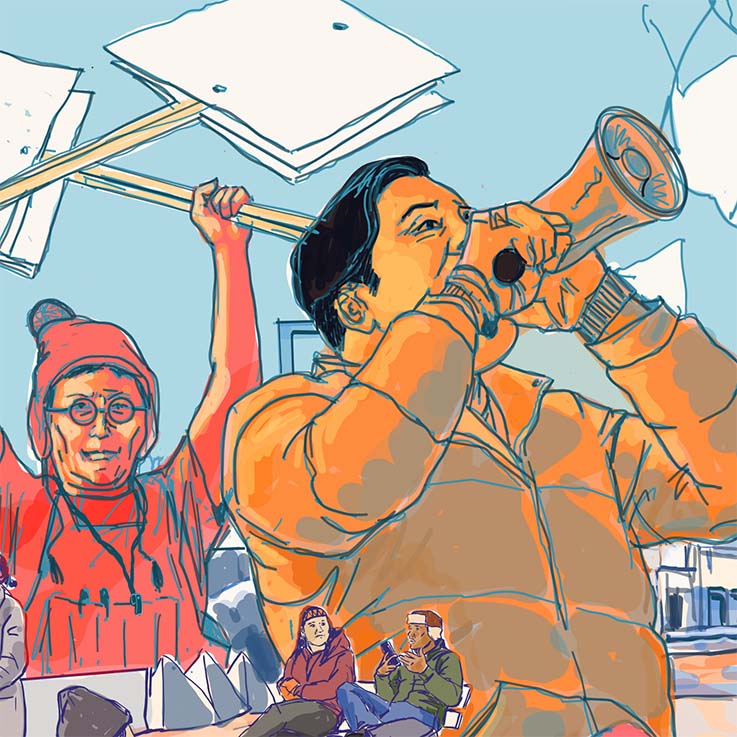
Recognition, distortion, and the organizing infrastructure behind Minnesota's response to Operation Metro Surge.
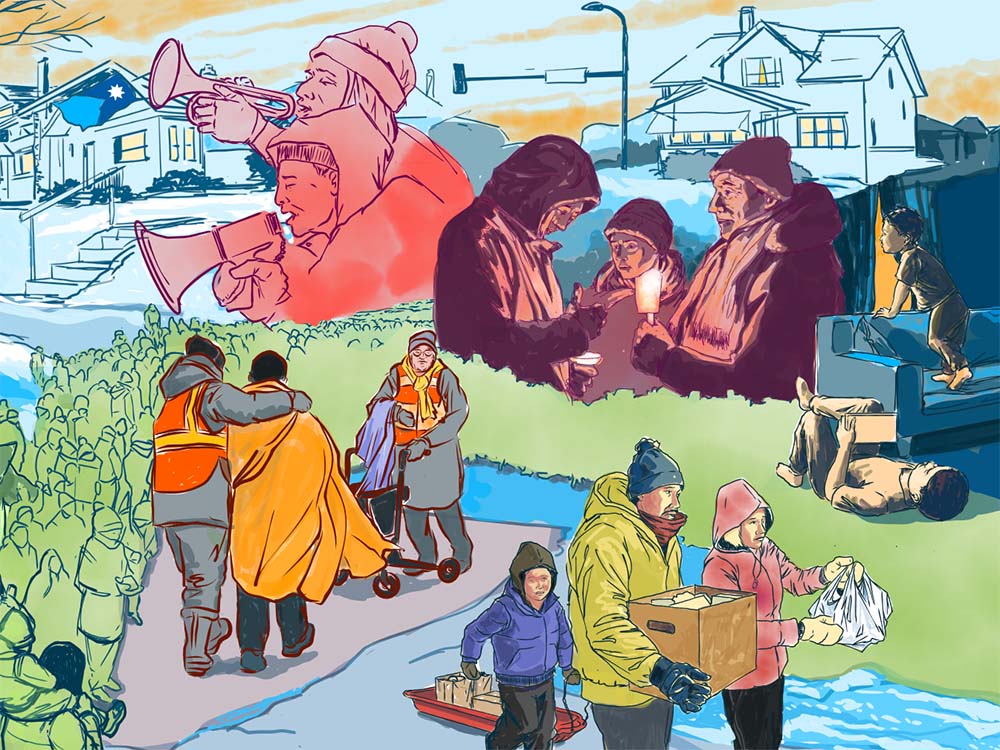
This article series, produced in partnership with and sponsored by the McKnight Foundation, brings together foundation leaders, community partners, and a mutual aid organizer to reflect on what happened during Operation Metro Surge in Minneapolis.

How an innovative public-private partnership responded rapidly to keep 82,000 families fed during a government shutdown.

A response to nine essays on renewing the purpose of public education

The Making Missing Markets initiative is marshaling funds and support groups to help towns across the United States.


With an understanding of these 10 funding models, nonprofit leaders can use the for-profit world's valuable practice of engaging in succinct and clear conversations about long-term financial strategy.

A decade of applying the collective impact approach to address social problems has taught us that equity is central to the work.

Too many people believe social value is objective, fixed, and stable, when in fact it is subjective, malleable, and variable.
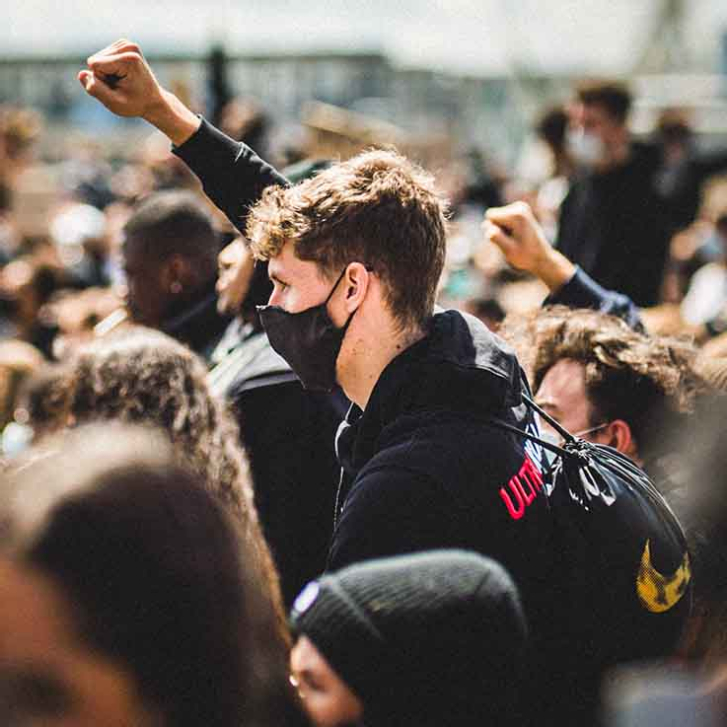
To do as much good as possible with limited resources, funders should look to woefully underfunded protest movements.

Racial bias creeps into all parts of the philanthropic and grantmaking process. The result is that nonprofits led by people of color receive less money than those led by whites, and philanthropy ends up reinforcing the very social ills it says it is trying to overcome.