


Giving Time vs. Giving Money
Charitable donors prefer to give time instead of money because they feel they have more control over their donated time.

Charitable donors prefer to give time instead of money because they feel they have more control over their donated time.

Who more than foundation leaders understand how a permanent asset like an endowment brings power? And yet, for most organizations we work with, we haven’t taken the strategic step to provide them with that power.

Four promising strategies to expand equitable access to safe and legal abortion care in the United States—and the particular role of philanthropic actors in advancing them.
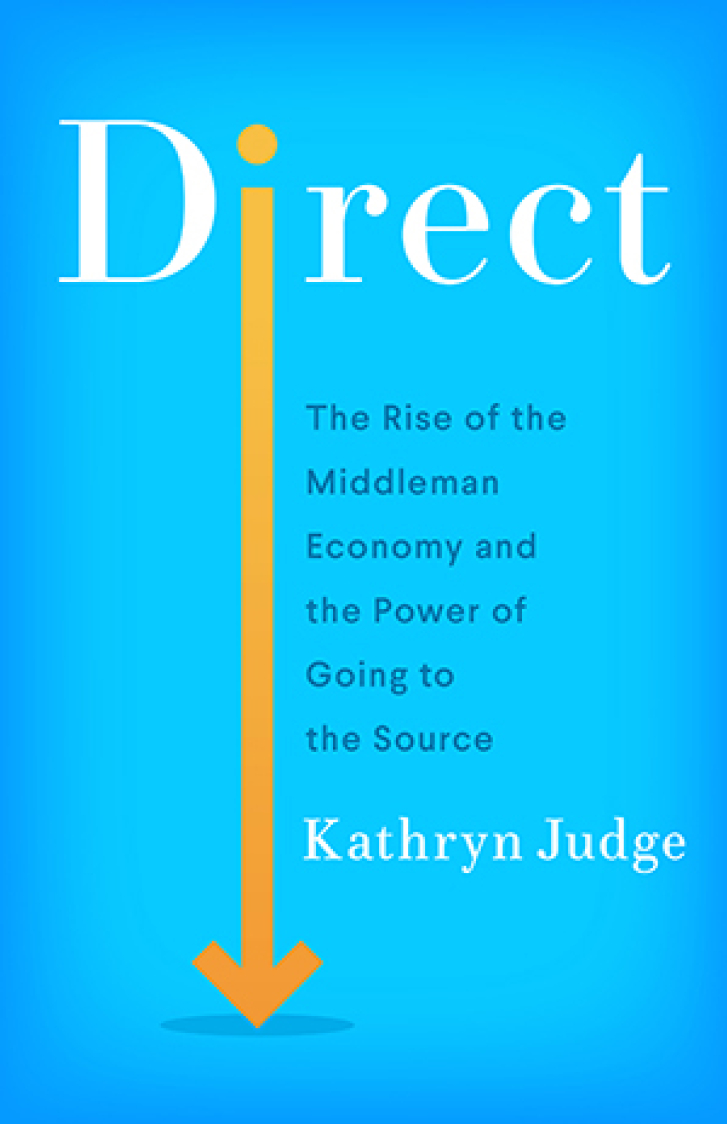
An excerpt from Direct: The Rise of the Middleman Economy and the Power of Going to the Source on the failure of peer-to-peer lending.
What should investors consider when looking to have a positive impact in the world? SSIR publisher Michael Voss speaks with Juliette Menga of Aetos and Nitin Barve of the Schwab Center for Financial Research about ways investors can achieve social impact without sacrificing their financial goals. A sponsored podcast developed with the support of DAFgiving360.


With an understanding of these 10 funding models, nonprofit leaders can use the for-profit world's valuable practice of engaging in succinct and clear conversations about long-term financial strategy.

A decade of applying the collective impact approach to address social problems has taught us that equity is central to the work.

Too many people believe social value is objective, fixed, and stable, when in fact it is subjective, malleable, and variable.

To do as much good as possible with limited resources, funders should look to woefully underfunded protest movements.

Racial bias creeps into all parts of the philanthropic and grantmaking process. The result is that nonprofits led by people of color receive less money than those led by whites, and philanthropy ends up reinforcing the very social ills it says it is trying to overcome.