


Women’s Funds After the Pandemic
After two years of COVID unraveled decades of women’s progress, women’s funds have been taking the lead on women’s employment and financial mobility by focusing on innovative childcare solutions.

After two years of COVID unraveled decades of women’s progress, women’s funds have been taking the lead on women’s employment and financial mobility by focusing on innovative childcare solutions.

Philanthropy focused on place helps leverage resources and empower communities. SSIR publisher Michael Voss speaks with Gina D. Dalma of the Silicon Valley Community Foundation, Peggy Davis of the Chicago Community Trust, and Chris Boyce of Schwab Charitable about what a place-based approach to philanthropy looks like. A sponsored podcast developed with the support of DAFgiving360.

How social venture investors can better track the performance of their investments, gauge their viability, and identify projects with the greatest chance of achieving social good.

In the last two years, this five-cylinder engine has propelled funders to break through historic barriers to change.

Why we need cross-sector physical, social, and digital assets to undergird next-gen technologies and how philanthropy can help fuel an equitable innovation ecosystem.


With an understanding of these 10 funding models, nonprofit leaders can use the for-profit world's valuable practice of engaging in succinct and clear conversations about long-term financial strategy.

A decade of applying the collective impact approach to address social problems has taught us that equity is central to the work.
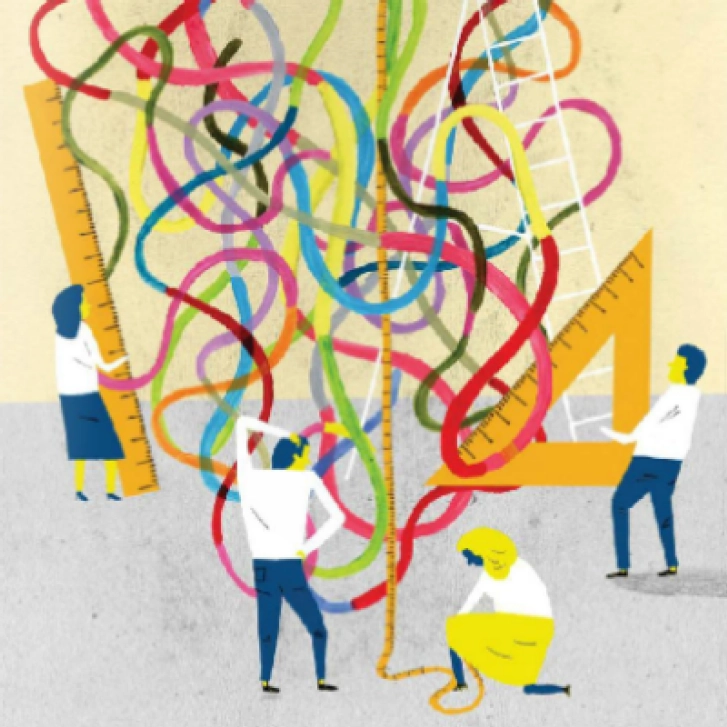
Too many people believe social value is objective, fixed, and stable, when in fact it is subjective, malleable, and variable.

To do as much good as possible with limited resources, funders should look to woefully underfunded protest movements.

Racial bias creeps into all parts of the philanthropic and grantmaking process. The result is that nonprofits led by people of color receive less money than those led by whites, and philanthropy ends up reinforcing the very social ills it says it is trying to overcome.