


Philanthropy for the Women’s Movement, Not Just ‘Empowerment’
The philanthropic community’s preoccupation with impact and the short-term projects that deliver measurable outcomes can distract us from what really works.

The philanthropic community’s preoccupation with impact and the short-term projects that deliver measurable outcomes can distract us from what really works.

Despite growing pains, the pay for success funding model is finding renewed success in communities across the United States and is primed to evolve into an ever-more-powerful tool for social change.

By expanding support to arts and cultural organizations in diverse neighborhoods, funders can provide a missing ingredient in the effort to advance equity.

Two years after nearly a dozen India-focused organizations in the United States began discussing how they could combine forces, they have launched the India Philanthropy Alliance and revealed insights into making complex collaborations work.
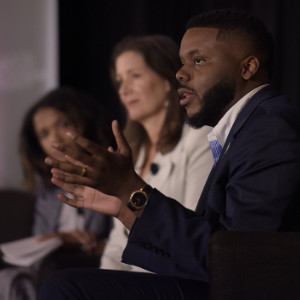
At SSIR’s 2019 Nonprofit Management Institute, presenters and participants addressed the economic and emotional anxieties facing civil society leaders and shared advice for moving forward with confidence.


With an understanding of these 10 funding models, nonprofit leaders can use the for-profit world's valuable practice of engaging in succinct and clear conversations about long-term financial strategy.

A decade of applying the collective impact approach to address social problems has taught us that equity is central to the work.

Too many people believe social value is objective, fixed, and stable, when in fact it is subjective, malleable, and variable.

To do as much good as possible with limited resources, funders should look to woefully underfunded protest movements.

Racial bias creeps into all parts of the philanthropic and grantmaking process. The result is that nonprofits led by people of color receive less money than those led by whites, and philanthropy ends up reinforcing the very social ills it says it is trying to overcome.