


Eight Myths of US Philanthropy
By examining the eight common myths of philanthropy—including who gives, how, and with what impact—we can better comprehend the breadth and diversity of giving.

By examining the eight common myths of philanthropy—including who gives, how, and with what impact—we can better comprehend the breadth and diversity of giving.

Nonprofits that wish to integrate revenue-generating activities into their operations must think strategically about who will benefit from them and how they will further their social mission. A feature story from the Fall 2019 issue.
Philanthropic leaders discuss how to maximize charitable impact in a series of podcasts and webinars sponsored by DAFgiving360.
An excerpt from The Business of Changing the World: How Billionaires, Tech Disrupters, and Social Entrepreneurs are Transforming the Global Aid Industry argues the case for openness.

Blockchain has done more than simply enable Chinese social entrepreneurs to improve the transparency, trustworthiness, and fundraising of the country’s charitable causes. It has helped launch a more decentralized and autonomous philanthropic sector.


With an understanding of these 10 funding models, nonprofit leaders can use the for-profit world's valuable practice of engaging in succinct and clear conversations about long-term financial strategy.
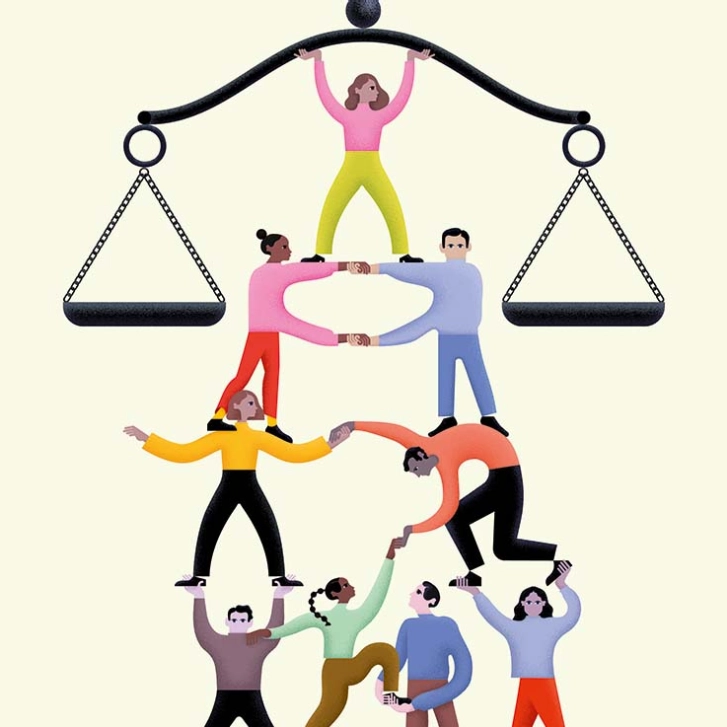
A decade of applying the collective impact approach to address social problems has taught us that equity is central to the work.

Too many people believe social value is objective, fixed, and stable, when in fact it is subjective, malleable, and variable.

To do as much good as possible with limited resources, funders should look to woefully underfunded protest movements.

Racial bias creeps into all parts of the philanthropic and grantmaking process. The result is that nonprofits led by people of color receive less money than those led by whites, and philanthropy ends up reinforcing the very social ills it says it is trying to overcome.