


Not Just Copycats
A new book on Chinese entrepreneurs breaks through stereotypes and offers a more comprehensive view of innovation in China.
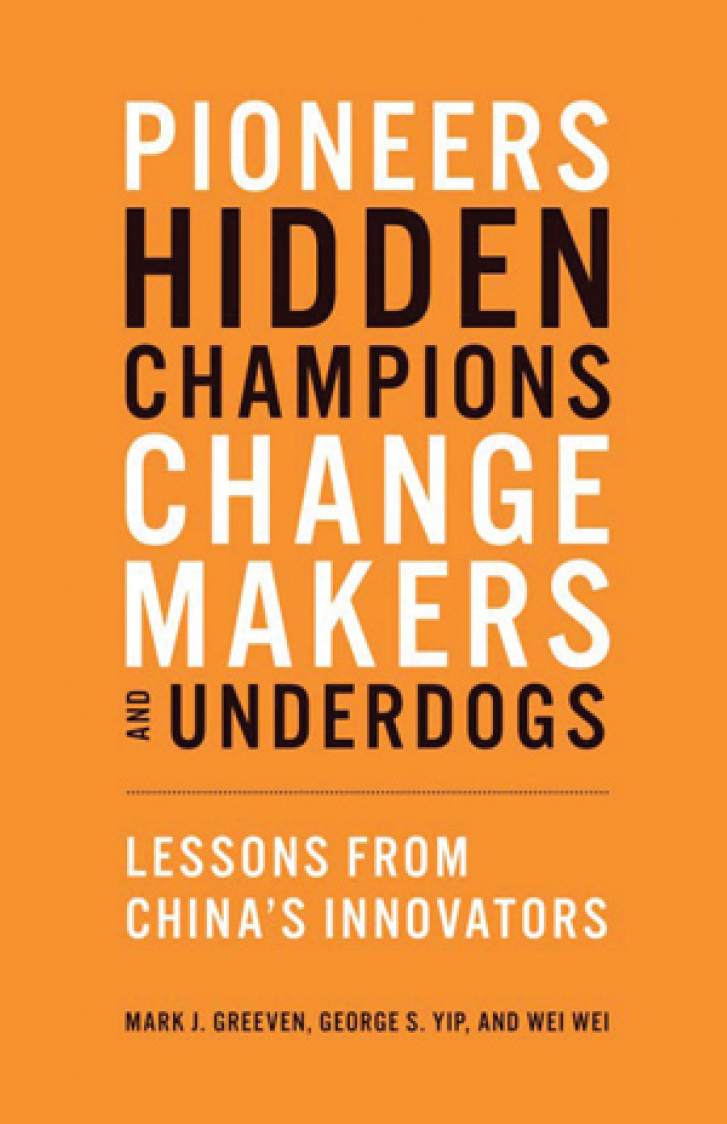
A new book on Chinese entrepreneurs breaks through stereotypes and offers a more comprehensive view of innovation in China.

Grantmakers In Health presents a snapshot of the latest thinking from health funders, researchers, and advocates on healthy eating and active living (HEAL) and healthy communities.

To ensure equitable health outcomes, we need to be explicit about goals, build transparent relationships with local communities, address underlying issues that drive health disparities, and measure and adjust outcomes accordingly.

Building effective policy advocacy campaigns, creating programs that support sustainable systemic changes, and engaging parents to identify and advocate for critical issues are all key to supporting healthy schools and communities.

Policy, Systems, and Environmental Change (PSE) strategies are critical tools in the battle for good health in adults and children.


With an understanding of these 10 funding models, nonprofit leaders can use the for-profit world's valuable practice of engaging in succinct and clear conversations about long-term financial strategy.

A decade of applying the collective impact approach to address social problems has taught us that equity is central to the work.

Too many people believe social value is objective, fixed, and stable, when in fact it is subjective, malleable, and variable.

To do as much good as possible with limited resources, funders should look to woefully underfunded protest movements.

Racial bias creeps into all parts of the philanthropic and grantmaking process. The result is that nonprofits led by people of color receive less money than those led by whites, and philanthropy ends up reinforcing the very social ills it says it is trying to overcome.