


Social Impact Bonds: More Than One Approach
A look at how social impact bonds differ between projects and geographies, and how those differences impact practical implementation.
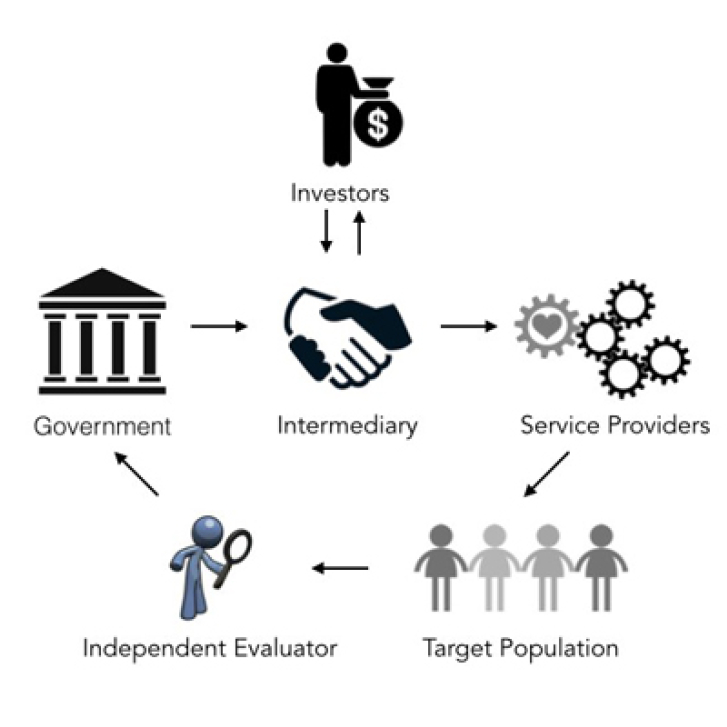
A look at how social impact bonds differ between projects and geographies, and how those differences impact practical implementation.

How funders can support bold, emerging leaders and their cutting-edge ideas.

Highlights of this year’s book reviews and excerpts on issues including women’s inequality, sustainable leadership, and the hypocrisy of elite philanthropists.

Asha Curran, chief innovation officer at the 92nd Street Y and director of its Belfer Center for Innovation & Social Impact, discussed the evolution of the grassroots giving movement at our 2018 Data on Purpose conference.

“Resilience” is a favorite buzzword these days, but what does it really mean, and how can grantmakers and nonprofits take practical steps toward achieving it?


With an understanding of these 10 funding models, nonprofit leaders can use the for-profit world's valuable practice of engaging in succinct and clear conversations about long-term financial strategy.

A decade of applying the collective impact approach to address social problems has taught us that equity is central to the work.

Too many people believe social value is objective, fixed, and stable, when in fact it is subjective, malleable, and variable.

To do as much good as possible with limited resources, funders should look to woefully underfunded protest movements.

Racial bias creeps into all parts of the philanthropic and grantmaking process. The result is that nonprofits led by people of color receive less money than those led by whites, and philanthropy ends up reinforcing the very social ills it says it is trying to overcome.