


Whither Big Philanthropy
A growing chorus of critics are questioning whether big philanthropy is actually a good thing.

A growing chorus of critics are questioning whether big philanthropy is actually a good thing.

By delivering innovation services to the insurance industry, Ninety Consulting aims to generate and give away a billion pounds ($1.32 billion) over 30 years.
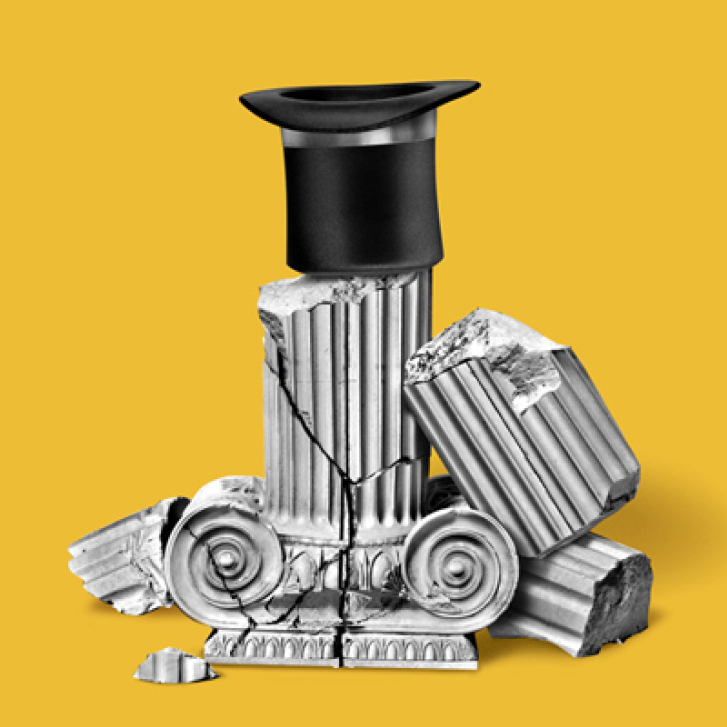
Plutocratic biases are baked into the policies that structure charitable giving and big foundations. We must overhaul philanthropy to make it better serve democratic ends.

Whether someone is investing in a tech startup or a grassroots advocacy organization, the same rules of success apply. Open access to this article is made possible by American Jewish World Service.

Charitable givers see their decisions as subjective and view “effectiveness” as one among many criteria that should guide their donations.


With an understanding of these 10 funding models, nonprofit leaders can use the for-profit world's valuable practice of engaging in succinct and clear conversations about long-term financial strategy.

A decade of applying the collective impact approach to address social problems has taught us that equity is central to the work.
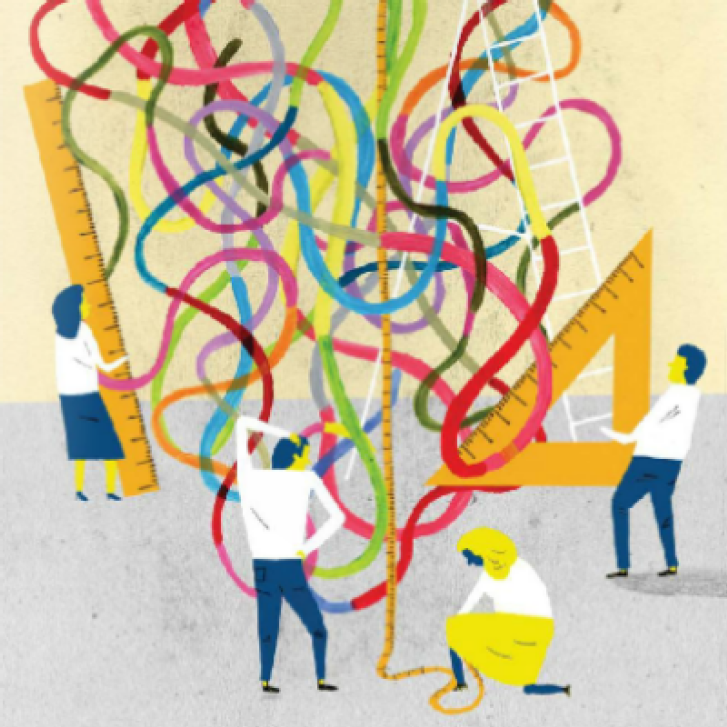
Too many people believe social value is objective, fixed, and stable, when in fact it is subjective, malleable, and variable.

To do as much good as possible with limited resources, funders should look to woefully underfunded protest movements.

Racial bias creeps into all parts of the philanthropic and grantmaking process. The result is that nonprofits led by people of color receive less money than those led by whites, and philanthropy ends up reinforcing the very social ills it says it is trying to overcome.