


There Is No Such Thing as Impact Investing
There is philanthropic investing, and there is commercial investing, and there is nothing in between.
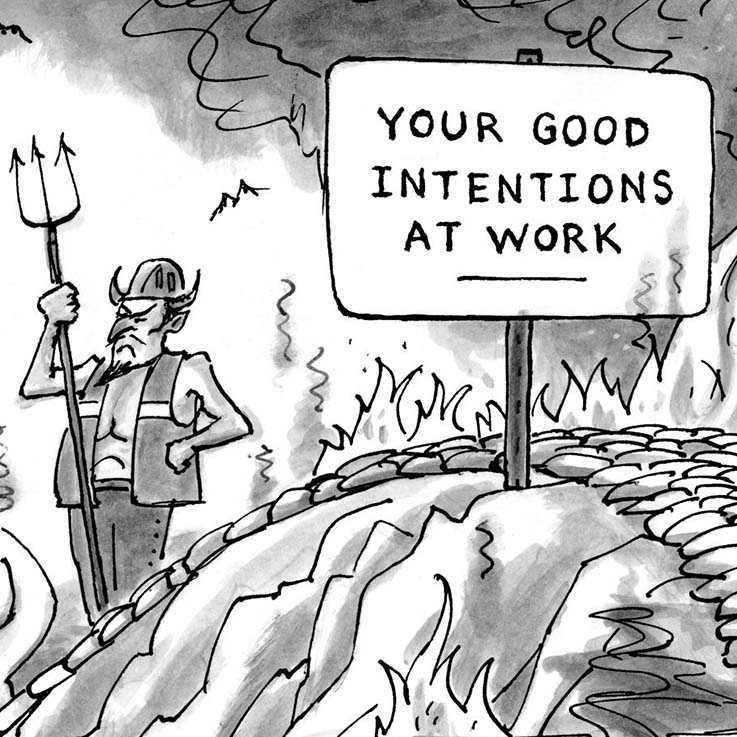
There is philanthropic investing, and there is commercial investing, and there is nothing in between.

In the face of current funding uncertainty, US nonprofits must innovate to sustain their missions.

Funders need to take governing institutions seriously and invest in their capacity.

These times require funders to act with urgency and devotion to ensure justice and equity for all.

I have seen with my own eyes what happens to a community when love becomes policy's guiding star.


With an understanding of these 10 funding models, nonprofit leaders can use the for-profit world's valuable practice of engaging in succinct and clear conversations about long-term financial strategy.

A decade of applying the collective impact approach to address social problems has taught us that equity is central to the work.

Too many people believe social value is objective, fixed, and stable, when in fact it is subjective, malleable, and variable.

To do as much good as possible with limited resources, funders should look to woefully underfunded protest movements.

Racial bias creeps into all parts of the philanthropic and grantmaking process. The result is that nonprofits led by people of color receive less money than those led by whites, and philanthropy ends up reinforcing the very social ills it says it is trying to overcome.