


Attracting Greater Philanthropic Funding: The Private Equity Model
Philanthropic funding has the potential to dramatically increase its scope and impact by taking cues from the private equity investment world.
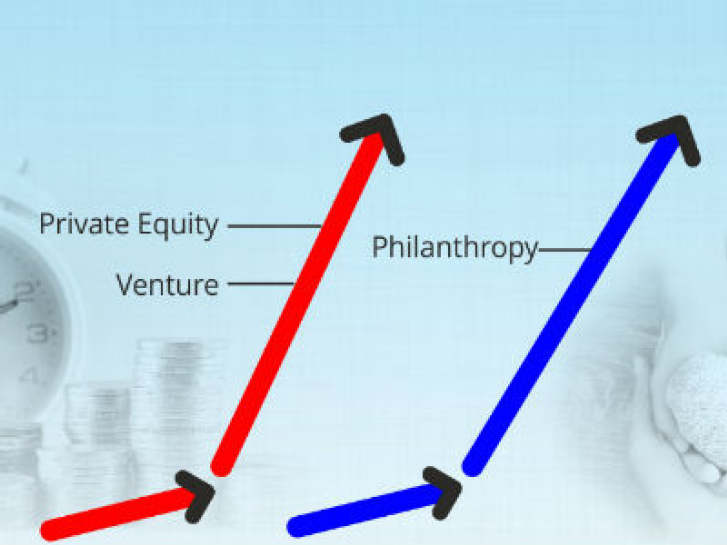
Philanthropic funding has the potential to dramatically increase its scope and impact by taking cues from the private equity investment world.

Investing in innovative entrepreneurs can make high-quality education and training more widely available, especially among poorly served racial and ethnic groups.

Alternative economic and social investment models that are properly supported by new public policy and investment could help the United States create more equitable access to jobs and wealth.

How an intention to address racial equity can influence institutional impact investing strategy.
By taking some simple steps to support women entrepreneurs, accelerator programs like those at the University of California, MIT, and University of San Diego can help reduce notable gender disparities in America's startup landscape.


Funders are calling for more program evaluation, but nonprofits are often collecting dubious data, at great cost to themselves and ultimately to the people they serve.

Large-scale social change requires broad cross-sector coordination, not the isolated intervention of individual organizations.

For NGOs, impact comes in different forms and to track the cycles of social change work, we must think across the tangibility and the speed of emergence of change.

With an understanding of these 10 funding models, nonprofit leaders can use the for-profit world's valuable practice of engaging in succinct and clear conversations about long-term financial strategy.

Social entrepreneurship is attracting growing amounts of talent, money, and attention, but along with its increasing popularity has come less certainty about what exactly a social entrepreneur is and does.