


Sesame Workshop, Winner of 100&Change Grant Competition, Discusses What’s Next
A conversation with MacArthur Foundation "big bet" winner Sesame Workshop.
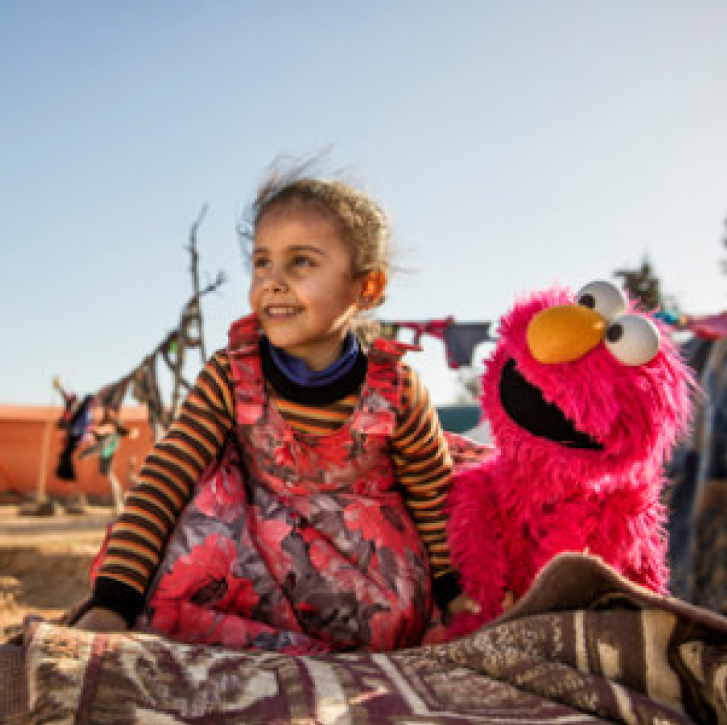
A conversation with MacArthur Foundation "big bet" winner Sesame Workshop.
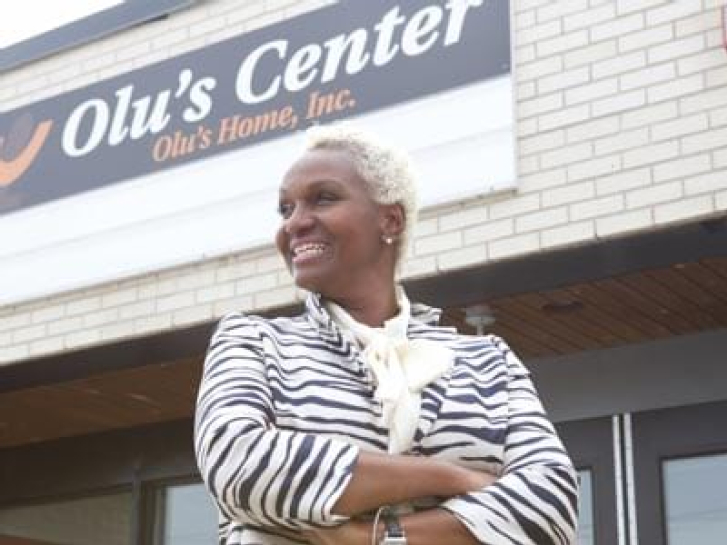
The US economy must change so that all Americans can shape its direction and benefit from its growth. Foundations can help lead the way through investment.
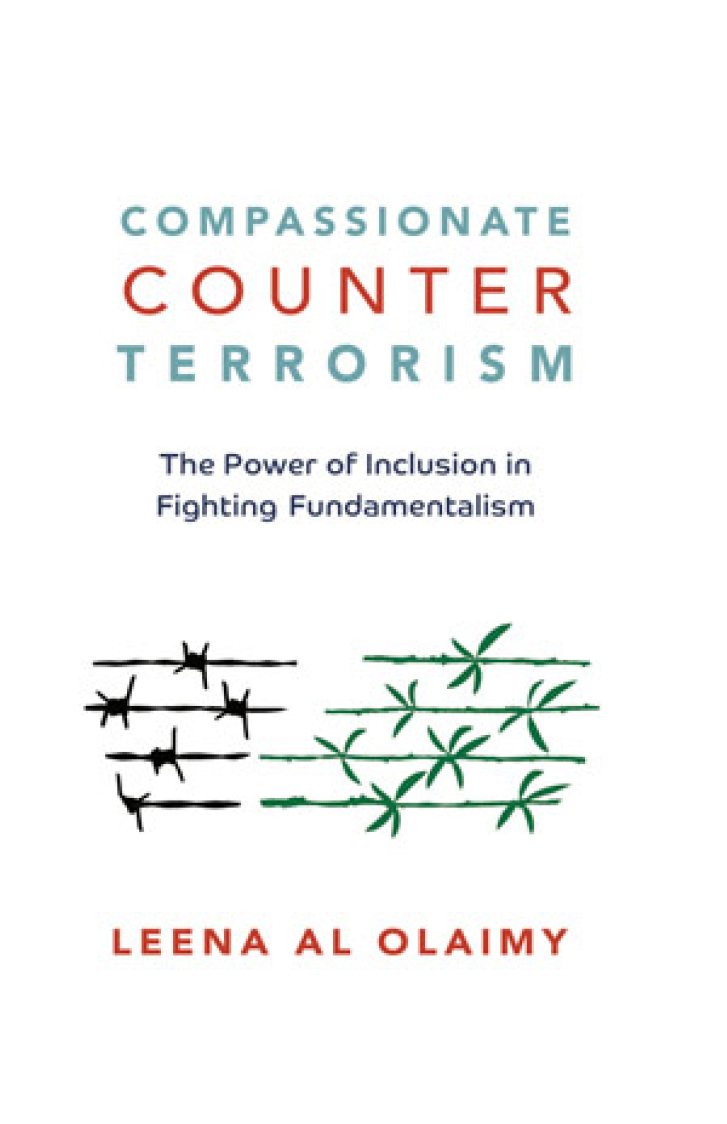
An excerpt from Compassionate Counterterrorism highlights development-based interventions that have deterred terrorist recruitment.

Social sector leaders say they are dedicating more resources to gathering client and community feedback, but implementation barriers remain. The authors suggest three solutions to overcome them. Part of a series produced for SSIR with the support of the Hewlett Foundation.
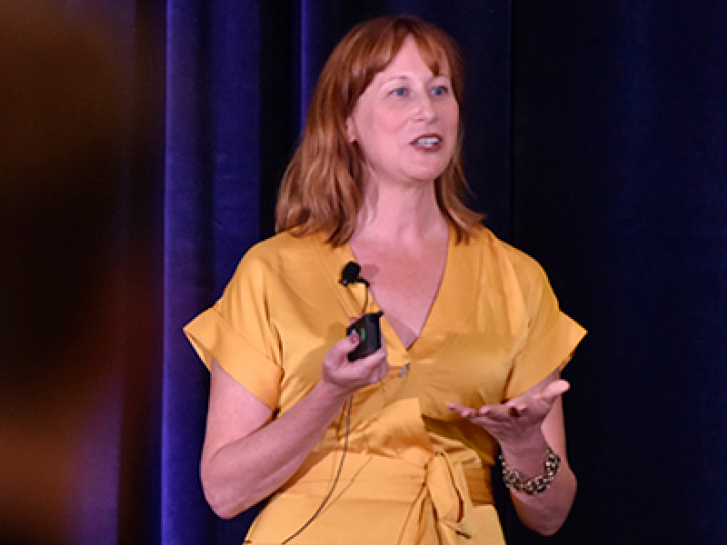
Using insight from systems thinking and social, behavioral, and cognitive science, two communication experts describe how to craft stories and multimedia experiences that drive social change.


Funders are calling for more program evaluation, but nonprofits are often collecting dubious data, at great cost to themselves and ultimately to the people they serve.

Large-scale social change requires broad cross-sector coordination, not the isolated intervention of individual organizations.

For NGOs, impact comes in different forms and to track the cycles of social change work, we must think across the tangibility and the speed of emergence of change.

With an understanding of these 10 funding models, nonprofit leaders can use the for-profit world's valuable practice of engaging in succinct and clear conversations about long-term financial strategy.

Social entrepreneurship is attracting growing amounts of talent, money, and attention, but along with its increasing popularity has come less certainty about what exactly a social entrepreneur is and does.