


Seven SSIR Articles on Women’s Equality and Empowerment
An International Women’s Day reading list featuring gender-focused articles on entrepreneurial spirit, resource accessibility, mental health, sexual misconduct prevention, and more.
An International Women’s Day reading list featuring gender-focused articles on entrepreneurial spirit, resource accessibility, mental health, sexual misconduct prevention, and more.

If funders want to improve DEI in their organizations, they need to re-define risk, emphasize trust, and reflect the communities they serve.

Nonprofit and philanthropic leaders discuss tools and strategies to help address systemic barriers to investment, power, and voice in the sector.

Businesses in East Asia cross boundaries and create alliances to solve complex social problems that the world has never experienced before.
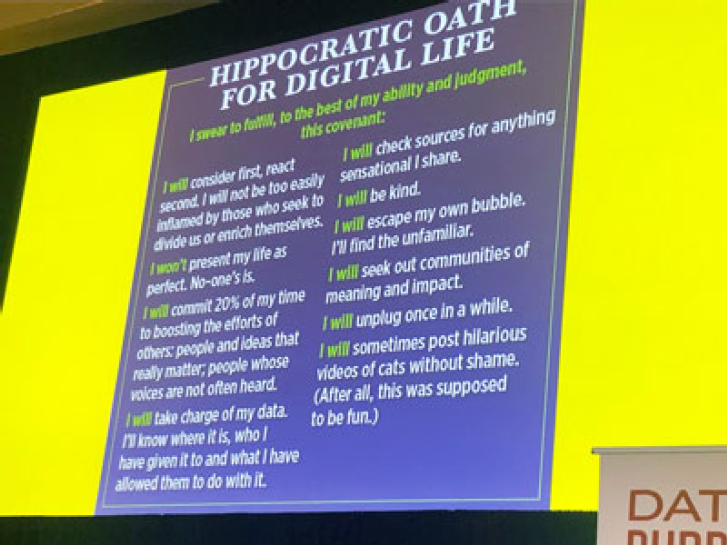
From emphasizing the importance of a data culture to exhorting people to "move thoughtfully and improve things," nonprofit leaders, funders, scholars, and technologists at SSIR's 2019 Data on Purpose Conference provided deep insights into surviving and thriving in an increasingly digital world.


Funders are calling for more program evaluation, but nonprofits are often collecting dubious data, at great cost to themselves and ultimately to the people they serve.

Large-scale social change requires broad cross-sector coordination, not the isolated intervention of individual organizations.

For NGOs, impact comes in different forms and to track the cycles of social change work, we must think across the tangibility and the speed of emergence of change.

With an understanding of these 10 funding models, nonprofit leaders can use the for-profit world's valuable practice of engaging in succinct and clear conversations about long-term financial strategy.

Social entrepreneurship is attracting growing amounts of talent, money, and attention, but along with its increasing popularity has come less certainty about what exactly a social entrepreneur is and does.