


Whither Big Philanthropy
A growing chorus of critics are questioning whether big philanthropy is actually a good thing.

A growing chorus of critics are questioning whether big philanthropy is actually a good thing.
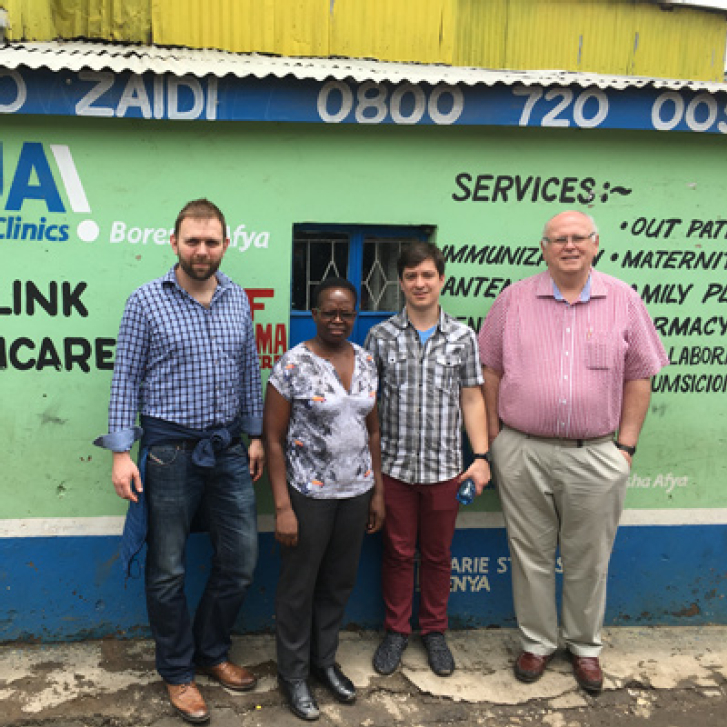
By delivering innovation services to the insurance industry, Ninety Consulting aims to generate and give away a billion pounds ($1.32 billion) over 30 years.

To achieve greater equity, we must yield to the decision-making authority of the communities we seek to help.

Nonprofits need a strategy to ensure that public dollars don’t put them in the red.

Whether someone is investing in a tech startup or a grassroots advocacy organization, the same rules of success apply. Open access to this article is made possible by American Jewish World Service.


Funders are calling for more program evaluation, but nonprofits are often collecting dubious data, at great cost to themselves and ultimately to the people they serve.

Large-scale social change requires broad cross-sector coordination, not the isolated intervention of individual organizations.

For NGOs, impact comes in different forms and to track the cycles of social change work, we must think across the tangibility and the speed of emergence of change.

With an understanding of these 10 funding models, nonprofit leaders can use the for-profit world's valuable practice of engaging in succinct and clear conversations about long-term financial strategy.

Social entrepreneurship is attracting growing amounts of talent, money, and attention, but along with its increasing popularity has come less certainty about what exactly a social entrepreneur is and does.