


Together We Stand
As promoters and defenders of a free civil society, we at SSIR today find ourselves taking sides: We stand with you as allies against the rise of authoritarianism in the United States and abroad.

As promoters and defenders of a free civil society, we at SSIR today find ourselves taking sides: We stand with you as allies against the rise of authoritarianism in the United States and abroad.

Queer Voices’ audio-walking tours re-create LGBTQ+ history in Leipzig and Halle in former East Germany.

Iconoclast Sarah Schulman pulls from her decades of activism to present a passionate testimony on living a life of solidarity.
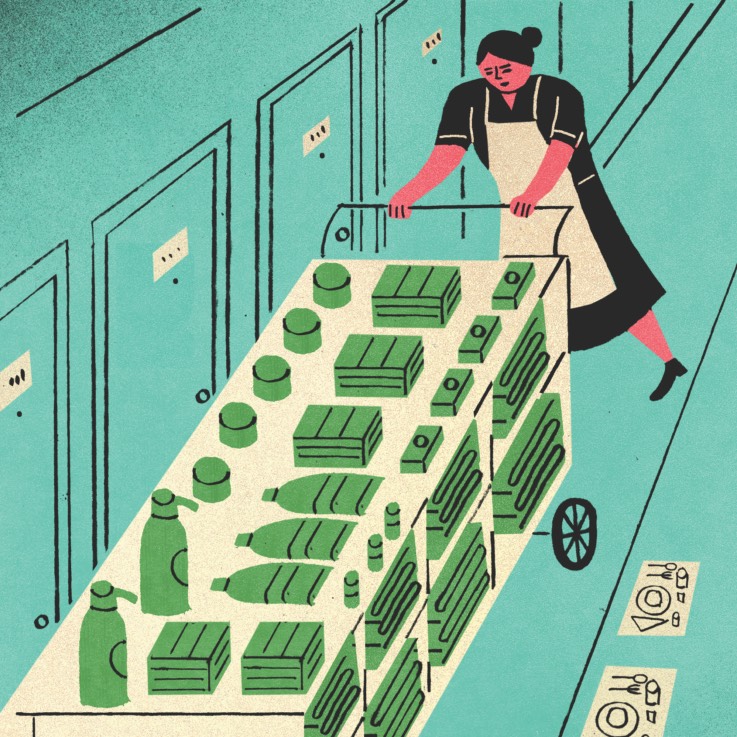
The hospitality sector can better serve its customers and communities if it rethinks how it procures goods and services.

Companies in Taiwan with ties to the ruling party invested in public welfare to reduce the potential for popular backlash during the nation’s democratic transition.


Funders are calling for more program evaluation, but nonprofits are often collecting dubious data, at great cost to themselves and ultimately to the people they serve.

Large-scale social change requires broad cross-sector coordination, not the isolated intervention of individual organizations.
For NGOs, impact comes in different forms and to track the cycles of social change work, we must think across the tangibility and the speed of emergence of change.

With an understanding of these 10 funding models, nonprofit leaders can use the for-profit world's valuable practice of engaging in succinct and clear conversations about long-term financial strategy.

Social entrepreneurship is attracting growing amounts of talent, money, and attention, but along with its increasing popularity has come less certainty about what exactly a social entrepreneur is and does.