


Approaching Gender Equity Through Indigenous Knowledge and Customs
A trial program that worked with couples in rural Zimbabwe shows the potential of a locality-based approach.

A trial program that worked with couples in rural Zimbabwe shows the potential of a locality-based approach.

One of the toughest challenges for social impact leaders can be reaching people who have been historically stigmatized or excluded by social and cultural norms.

Six ideas that could help organizations improve hiring, performance, equity, and more.

A new federal policy could make the equitable housing that communities need a reality—but only if the right steps are taken to rally resources in support of the rule.
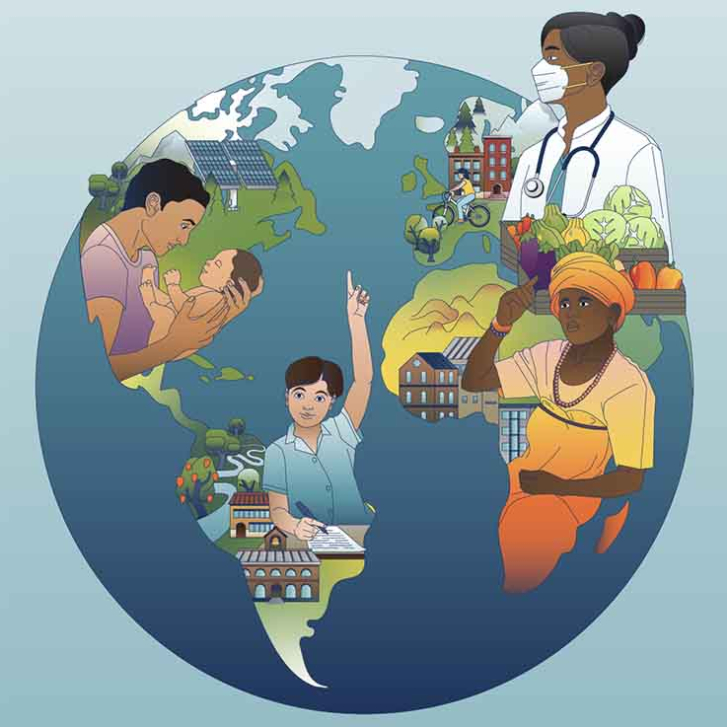
Too many global health crises play out in silos on every continent, but there is much to learn across borders about creating better health and well-being in communities.


Funders are calling for more program evaluation, but nonprofits are often collecting dubious data, at great cost to themselves and ultimately to the people they serve.

Large-scale social change requires broad cross-sector coordination, not the isolated intervention of individual organizations.

For NGOs, impact comes in different forms and to track the cycles of social change work, we must think across the tangibility and the speed of emergence of change.

With an understanding of these 10 funding models, nonprofit leaders can use the for-profit world's valuable practice of engaging in succinct and clear conversations about long-term financial strategy.

Social entrepreneurship is attracting growing amounts of talent, money, and attention, but along with its increasing popularity has come less certainty about what exactly a social entrepreneur is and does.