


sponsored
10 Dangers to Collective Impact
A look at the worst practices in using the collective impact approach for social change and lessons on how to avoid them.

A look at the worst practices in using the collective impact approach for social change and lessons on how to avoid them.

Four nonprofit leaders discuss their experiences using collective impact for collaborative, place-based change, including their views on the role of data and philanthropy, and what lies ahead for this field of work.

For ESG compliance to become more than lip service, corporate leaders say they need activist pressure, government regulation, and a strong business case.

Glasswing International teaches Latin American communities to understand and recover from the impacts of trauma induced by chronic and acute violence.
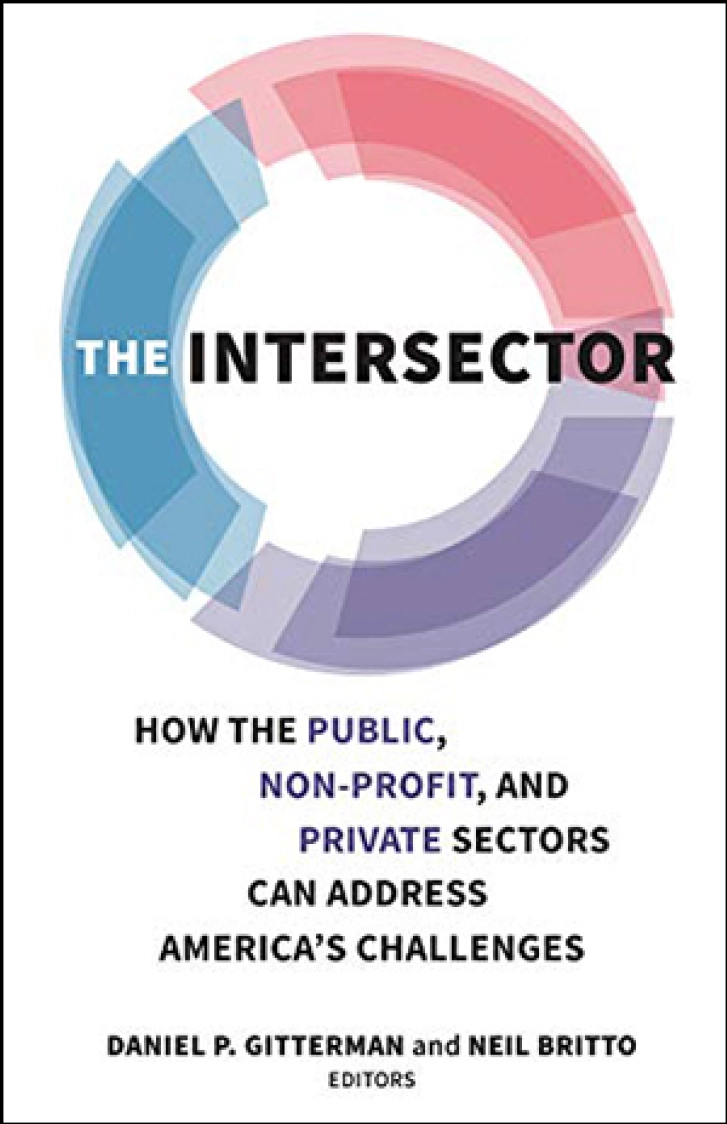
Two excerpts from the edited collection, The Intersector, on building public trust through cross-sector collaboration between the public, nonprofit, and private sectors.


Funders are calling for more program evaluation, but nonprofits are often collecting dubious data, at great cost to themselves and ultimately to the people they serve.

Large-scale social change requires broad cross-sector coordination, not the isolated intervention of individual organizations.

For NGOs, impact comes in different forms and to track the cycles of social change work, we must think across the tangibility and the speed of emergence of change.

With an understanding of these 10 funding models, nonprofit leaders can use the for-profit world's valuable practice of engaging in succinct and clear conversations about long-term financial strategy.

Social entrepreneurship is attracting growing amounts of talent, money, and attention, but along with its increasing popularity has come less certainty about what exactly a social entrepreneur is and does.