


What the Infrastructure Bill Reveals About Today’s Policymaking Environment
The passage of the Infrastructure Investment and Jobs Act gives those of us in the nonpartisan public policy space reason to be optimistic.
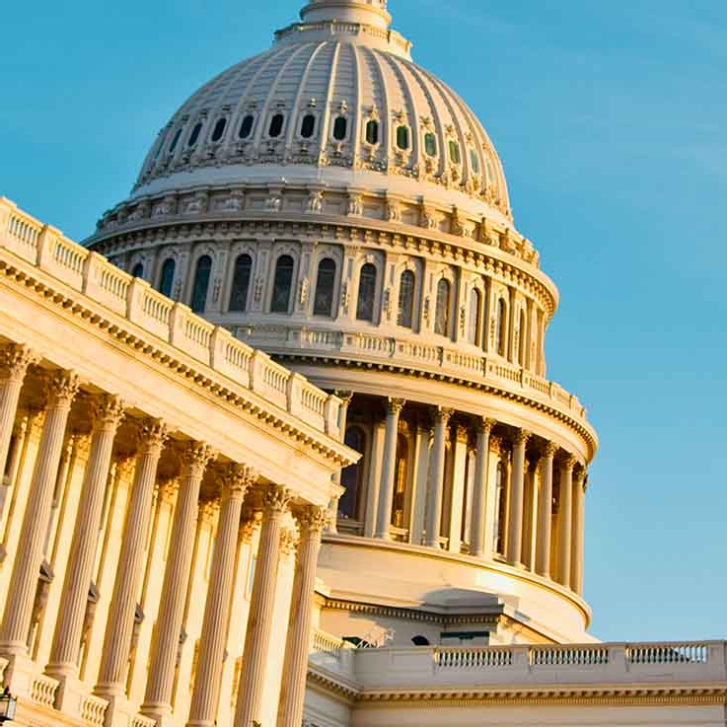
The passage of the Infrastructure Investment and Jobs Act gives those of us in the nonpartisan public policy space reason to be optimistic.

Behavioral economics research shows how small nudges can make a big difference to end-of-year fundraising results.

A decade of applying the collective impact approach to address social problems has taught us that equity is central to the work.

Empowering people with disabilities at work advances social inclusion and is good for business. Digital accessibility is essential to efforts at Microsoft to create opportunities for disabled talent.

With the dual goal of protecting the vital waterway and supporting communities that depend on it, the Cairo-based, youth-led organization VeryNile is partnering with local fishers and crafters to collect, recycle, and upcycle plastic waste.


Funders are calling for more program evaluation, but nonprofits are often collecting dubious data, at great cost to themselves and ultimately to the people they serve.

Large-scale social change requires broad cross-sector coordination, not the isolated intervention of individual organizations.

For NGOs, impact comes in different forms and to track the cycles of social change work, we must think across the tangibility and the speed of emergence of change.

With an understanding of these 10 funding models, nonprofit leaders can use the for-profit world's valuable practice of engaging in succinct and clear conversations about long-term financial strategy.

Social entrepreneurship is attracting growing amounts of talent, money, and attention, but along with its increasing popularity has come less certainty about what exactly a social entrepreneur is and does.