


She Should Run
Indian nonprofit Femme First Foundation aims to increase women’s political representation in the country.
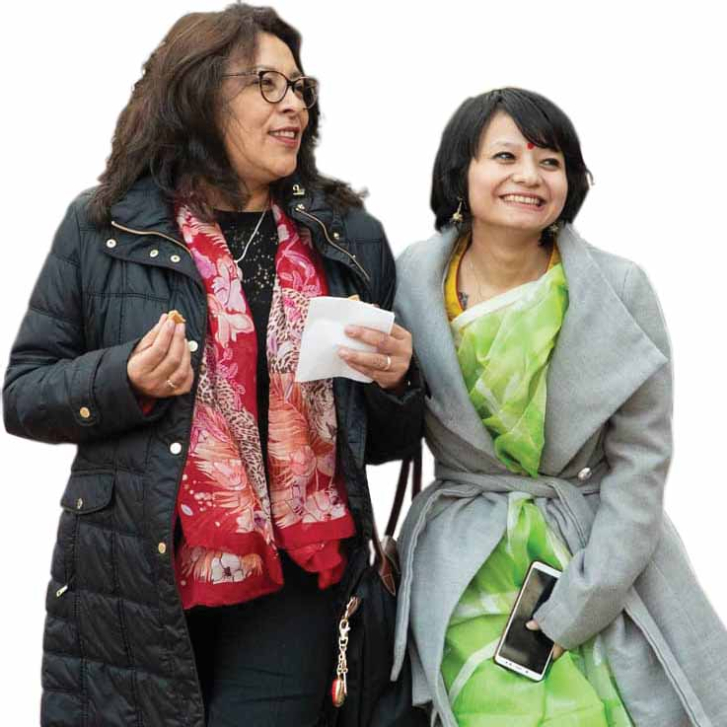
Indian nonprofit Femme First Foundation aims to increase women’s political representation in the country.
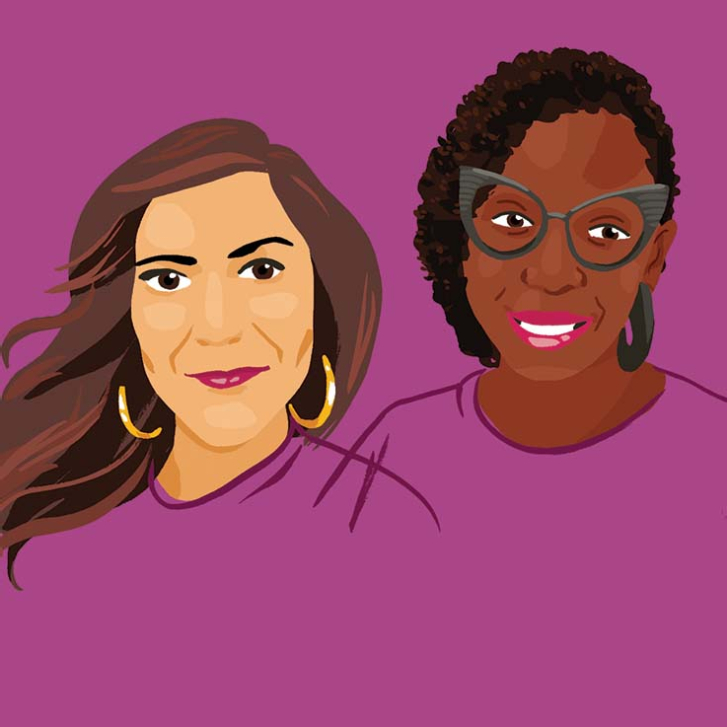
After many years of excluding the disability community, philanthropy is starting to make changes. The Ford Foundation’s awakening on disability inclusion offers a model for the rest of the sector.
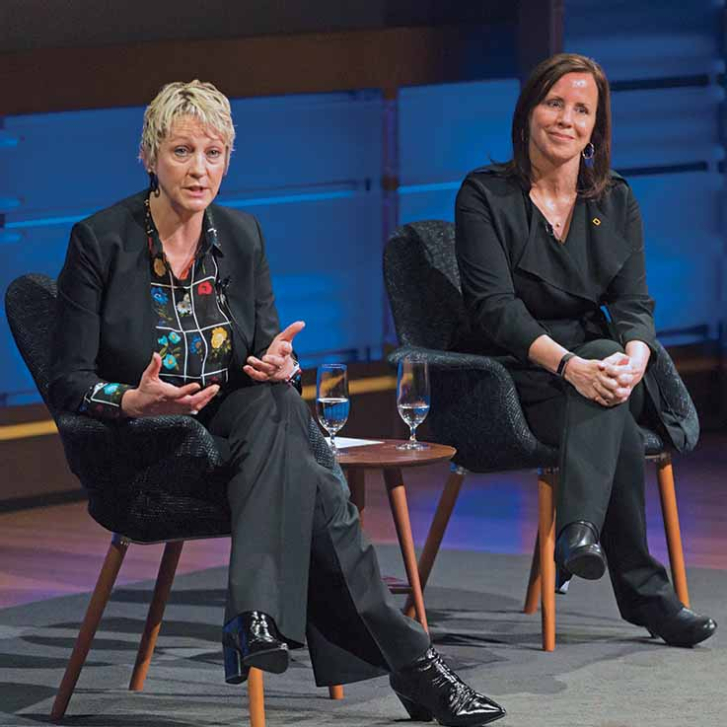
The National Geographic Society began as a Victorian-era institution of white gentlemen explorers dedicated to understanding the globe. To better reflect the world and thrive in the 21st century, it has diversified its leadership, transformed its internal culture, and created a media juggernaut.

Endowments are often lacking for social change nonprofits—even more so for Black-led organizations. By closing this gap, we could radically transform how we confront society’s most pressing issues.
Open-access to this article made possible by The Bridgespan Group.
Social enterprises do more for communities by eschewing the Silicon Valley model.


Funders are calling for more program evaluation, but nonprofits are often collecting dubious data, at great cost to themselves and ultimately to the people they serve.

Large-scale social change requires broad cross-sector coordination, not the isolated intervention of individual organizations.

For NGOs, impact comes in different forms and to track the cycles of social change work, we must think across the tangibility and the speed of emergence of change.

With an understanding of these 10 funding models, nonprofit leaders can use the for-profit world's valuable practice of engaging in succinct and clear conversations about long-term financial strategy.

Social entrepreneurship is attracting growing amounts of talent, money, and attention, but along with its increasing popularity has come less certainty about what exactly a social entrepreneur is and does.