


Grassroots Organizing and Preparing for the Unprecedented
It’s time to set new expectations for the role of people and movements in building a legitimate and truly representative US democracy.

It’s time to set new expectations for the role of people and movements in building a legitimate and truly representative US democracy.
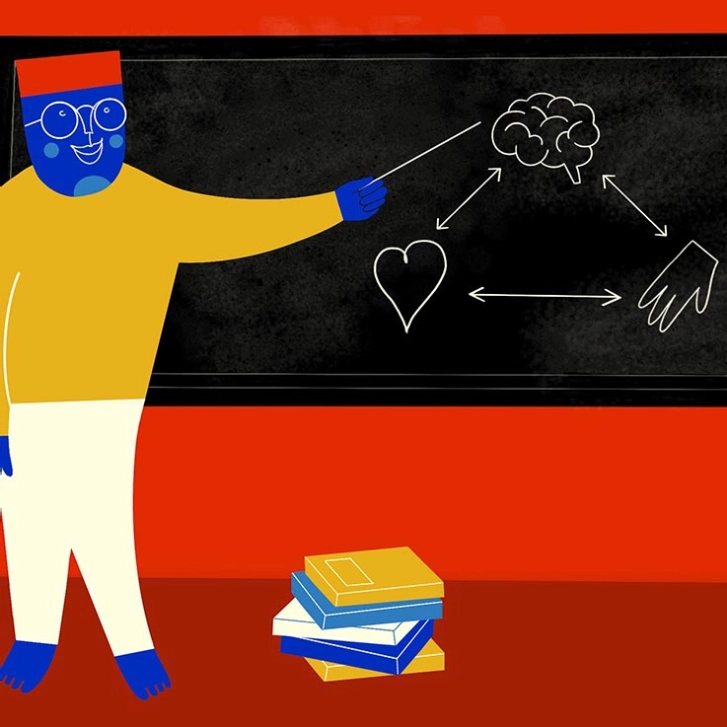
Why social innovation education programs need to develop students’ inner well-being alongside their knowledge of the field, and five principles to help lead the way.
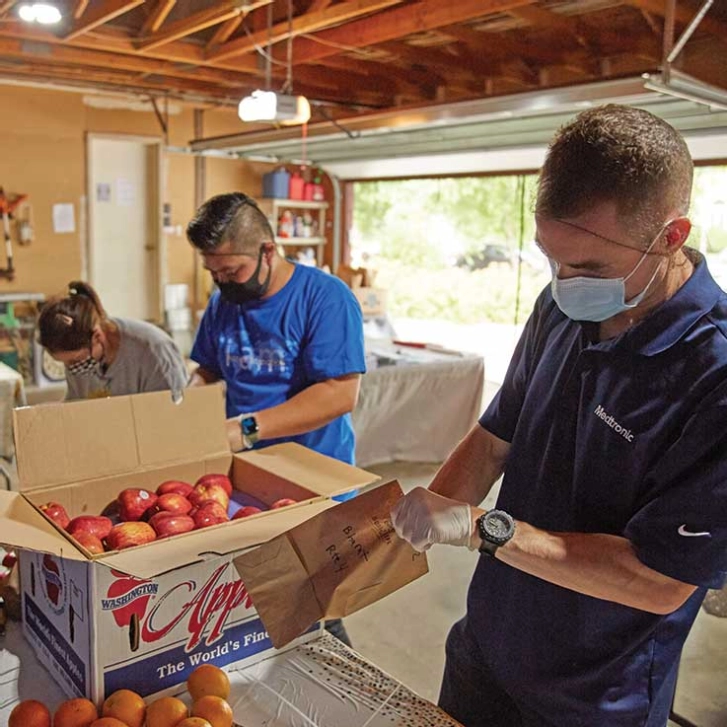
An overdue need to address social and health inequities has collided with compounding global crises, forcing businesses to reevaluate their values.

Six lessons on how corporate philanthropies can strengthen community connection and communications.
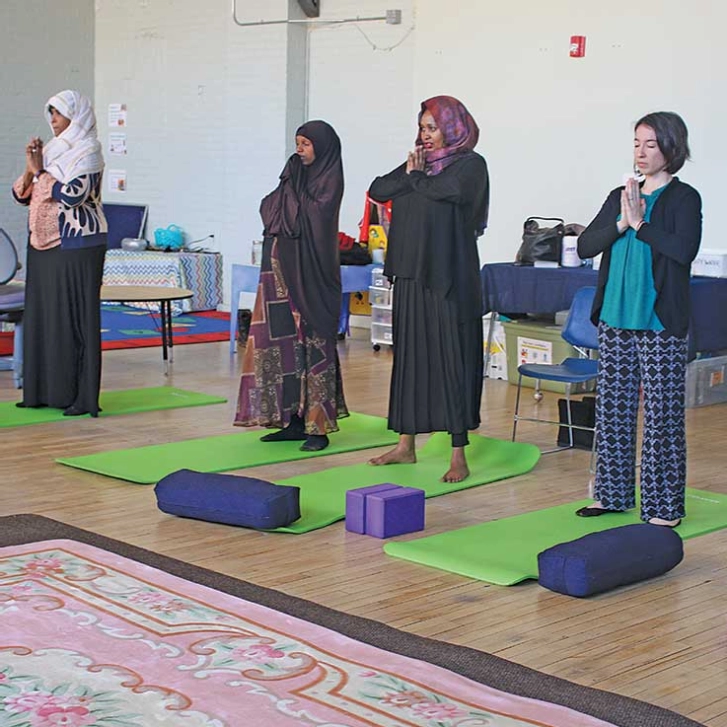
Community health workers at the front lines of the pandemic are providing essential care for underserved populations.


Large-scale social change requires broad cross-sector coordination, not the isolated intervention of individual organizations.

With an understanding of these 10 funding models, nonprofit leaders can use the for-profit world's valuable practice of engaging in succinct and clear conversations about long-term financial strategy.

Professionalism has become coded language for white favoritism in workplace practices that more often than not leave behind people of color. This is the fourth of 10 articles in a special series about diversity, equity, and inclusion.

By working closely with the clients and consumers, design thinking allows high-impact solutions to social problems to bubble up from below rather than being imposed from the top.

Five principles based in social science that will help organizations connect their work to what people care most about.