


Saving the Honeybees
In an effort to save the bees and buttress the global food supply, Edete, an Israel-based agricultural technology company, has set out to reduce the strain on bees by assisting them with crop pollination.

In an effort to save the bees and buttress the global food supply, Edete, an Israel-based agricultural technology company, has set out to reduce the strain on bees by assisting them with crop pollination.
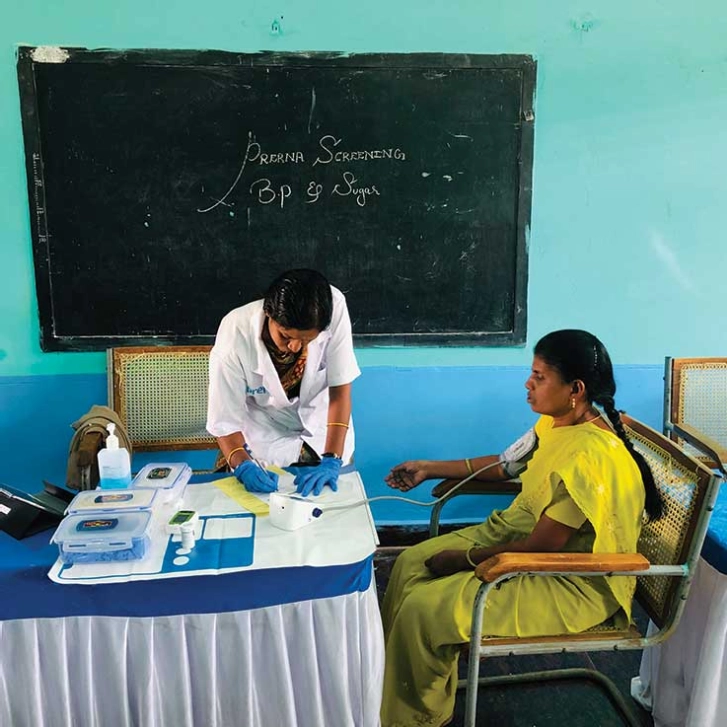
The Medtronic Foundation’s Learning Community brings together nonprofits across three continents to build collective knowledge and advance patient-centered health improvements in underserved communities.
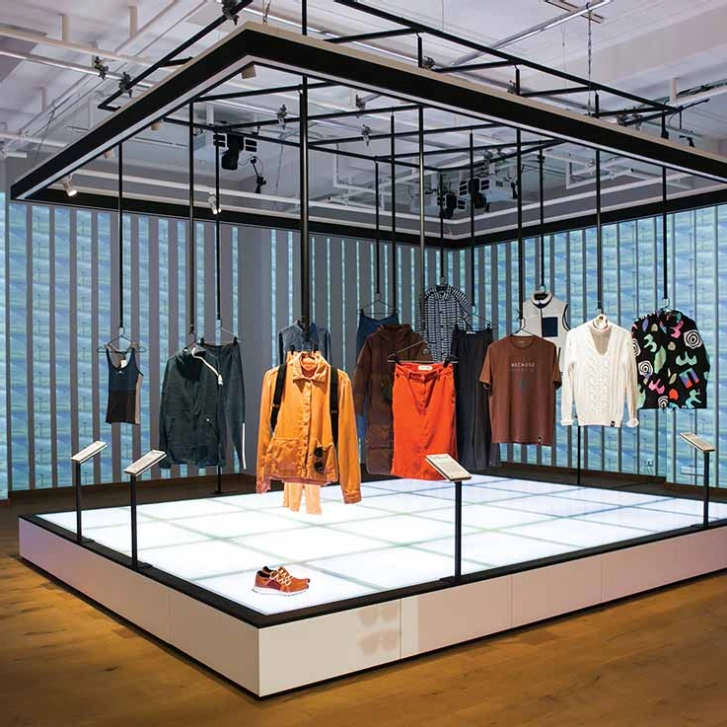
With the goal of reducing pollution, Amsterdam-based Fashion for Good created the Good Fashion Fund (GFF), the first investment fund focused exclusively on encouraging collaborations between fashion and technology.

Funders must shift their frameworks, expectations, and budgets to better serve nonprofits whose financial models are being tested during the coronavirus pandemic.

The Missing Billion initiative aims to end the health-care gap for disabled people by 2030 by identifying breakdowns, building evidence, and compiling best practices for the health system framework.


Large-scale social change requires broad cross-sector coordination, not the isolated intervention of individual organizations.

With an understanding of these 10 funding models, nonprofit leaders can use the for-profit world's valuable practice of engaging in succinct and clear conversations about long-term financial strategy.

Professionalism has become coded language for white favoritism in workplace practices that more often than not leave behind people of color. This is the fourth of 10 articles in a special series about diversity, equity, and inclusion.

By working closely with the clients and consumers, design thinking allows high-impact solutions to social problems to bubble up from below rather than being imposed from the top.

Five principles based in social science that will help organizations connect their work to what people care most about.