


River Helpers
New research indicates that prawns offer an unlikely solution for an infectious disease in Senegal.
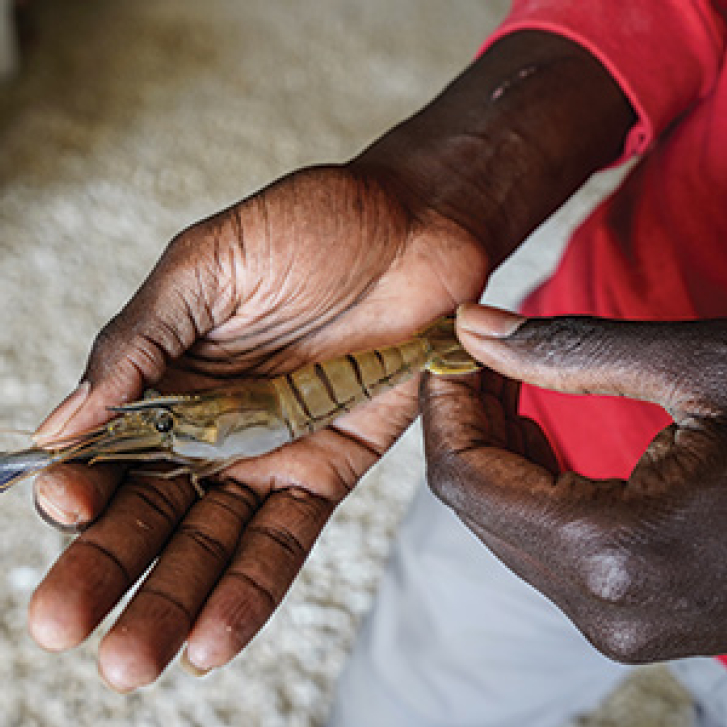
New research indicates that prawns offer an unlikely solution for an infectious disease in Senegal.

A network of crisis translators provides trauma-informed translation and interpretation services to immigrants, migrants, and refugees.

A new trauma-informed app provides victims of sexual violence access to confidential support and resources.
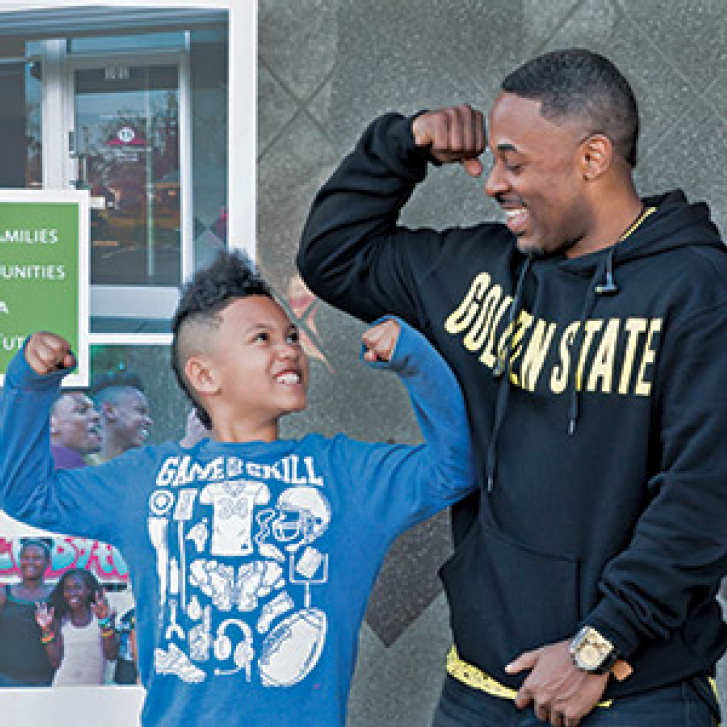
A community rallies to save its children from gun violence through coordination, cooperation, and a shared goal.

Global Himalayan Expedition turns adventure seeking into sustainable giving, creating electricity and employment in remote Indian villages.


Large-scale social change requires broad cross-sector coordination, not the isolated intervention of individual organizations.

With an understanding of these 10 funding models, nonprofit leaders can use the for-profit world's valuable practice of engaging in succinct and clear conversations about long-term financial strategy.

Professionalism has become coded language for white favoritism in workplace practices that more often than not leave behind people of color. This is the fourth of 10 articles in a special series about diversity, equity, and inclusion.

By working closely with the clients and consumers, design thinking allows high-impact solutions to social problems to bubble up from below rather than being imposed from the top.

Five principles based in social science that will help organizations connect their work to what people care most about.