


The Collective Work of Building Individual Agency
Building a shared sense of responsibility at Miami Dade College begins with empathy, reflection, and closing the gap between students and staff. Part of the Innovating Higher Education series.

Building a shared sense of responsibility at Miami Dade College begins with empathy, reflection, and closing the gap between students and staff. Part of the Innovating Higher Education series.
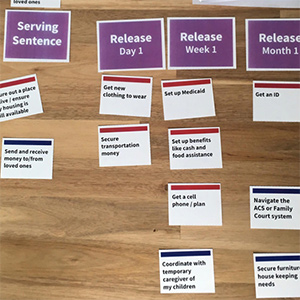
To improve public services like the justice system, social innovators need to co-design solutions with people who have experienced them and find ways to cut through the organizational barriers they faced.
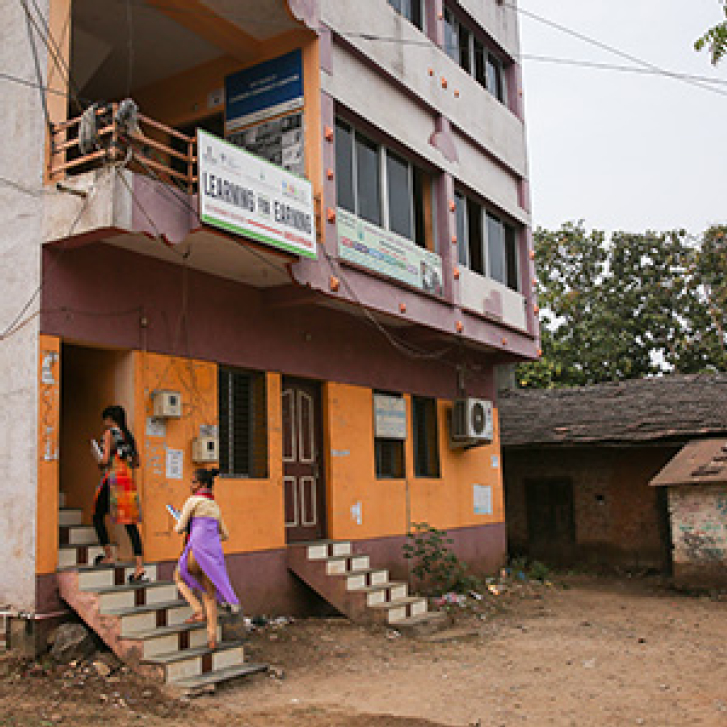
How Youth Junction is training rural youth in India for urban jobs.

Organizations that reuse, repurpose, recombine, and rapidly innovate under resource and time pressures can help build a more inclusive and sustainable future.

How standardized testing, gentrification, school choice, and economic downturn have widened inequality to create an existential threat to democracy.


Large-scale social change requires broad cross-sector coordination, not the isolated intervention of individual organizations.

With an understanding of these 10 funding models, nonprofit leaders can use the for-profit world's valuable practice of engaging in succinct and clear conversations about long-term financial strategy.

Professionalism has become coded language for white favoritism in workplace practices that more often than not leave behind people of color. This is the fourth of 10 articles in a special series about diversity, equity, and inclusion.

By working closely with the clients and consumers, design thinking allows high-impact solutions to social problems to bubble up from below rather than being imposed from the top.

Five principles based in social science that will help organizations connect their work to what people care most about.