


How One National Nonprofit Is Adapting to COVID-19
Lessons learned at Friends of the Children about maintaining stability in service during this crisis and the next one.

Lessons learned at Friends of the Children about maintaining stability in service during this crisis and the next one.

The coronavirus was slow to make its way to Africa, but it is now there in full force and will be difficult to contain because of certain cultural and social behaviors.

How corporate leaders can strike a balance between business success and genuine social impact that also inspires others to act.
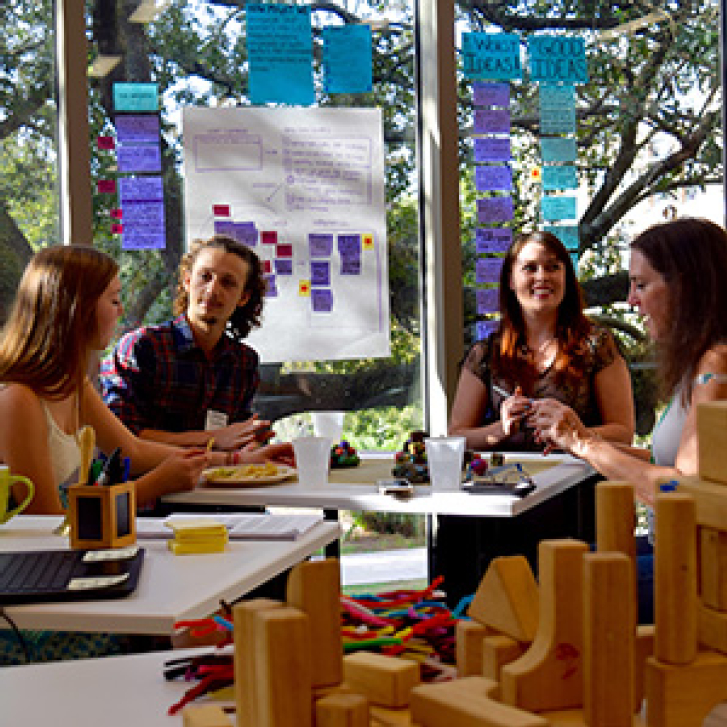
How Tulane University rebuilt from Hurricane Katrina with a renewed commitment to embedding social innovation and community engagement at the core of its mission. Part of Innovating Higher Education for the Greater Good, a new series from SSIR and Ashoka U.

With the coronavirus crisis placing a magnifying lens over the deep inequities in American society, the nation possesses an opportunity to face longstanding injustices that could allow us to go beyond just mourning our collective failures or patching over them with emergency measures.


Large-scale social change requires broad cross-sector coordination, not the isolated intervention of individual organizations.

With an understanding of these 10 funding models, nonprofit leaders can use the for-profit world's valuable practice of engaging in succinct and clear conversations about long-term financial strategy.

Professionalism has become coded language for white favoritism in workplace practices that more often than not leave behind people of color. This is the fourth of 10 articles in a special series about diversity, equity, and inclusion.

By working closely with the clients and consumers, design thinking allows high-impact solutions to social problems to bubble up from below rather than being imposed from the top.

Five principles based in social science that will help organizations connect their work to what people care most about.