

Creating Affordable Housing Opportunities Means Talking Equity
To attain affordable housing for all, we must build public support by shifting narratives away from consumer choice and personal responsibility.

To attain affordable housing for all, we must build public support by shifting narratives away from consumer choice and personal responsibility.

Financial technology has the potential to help lift millions out of poverty. But are we adequately assessing its risks?
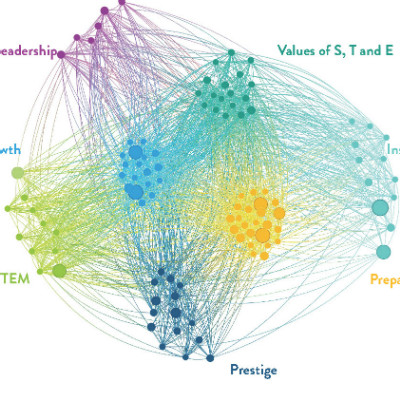
A project to end teacher shortages in the United States is demonstrating how thinking about social systems as networks can help us prioritize the most effective strategies.

Addressing climate change requires that we transition quickly to renewable energy while grounding our efforts in human rights.
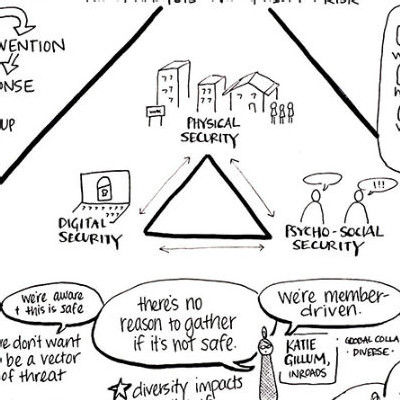
Four steps civil society organizations and their funders can take to begin addressing digital risk.


Large-scale social change requires broad cross-sector coordination, not the isolated intervention of individual organizations.

With an understanding of these 10 funding models, nonprofit leaders can use the for-profit world's valuable practice of engaging in succinct and clear conversations about long-term financial strategy.

Professionalism has become coded language for white favoritism in workplace practices that more often than not leave behind people of color. This is the fourth of 10 articles in a special series about diversity, equity, and inclusion.

By working closely with the clients and consumers, design thinking allows high-impact solutions to social problems to bubble up from below rather than being imposed from the top.

Five principles based in social science that will help organizations connect their work to what people care most about.