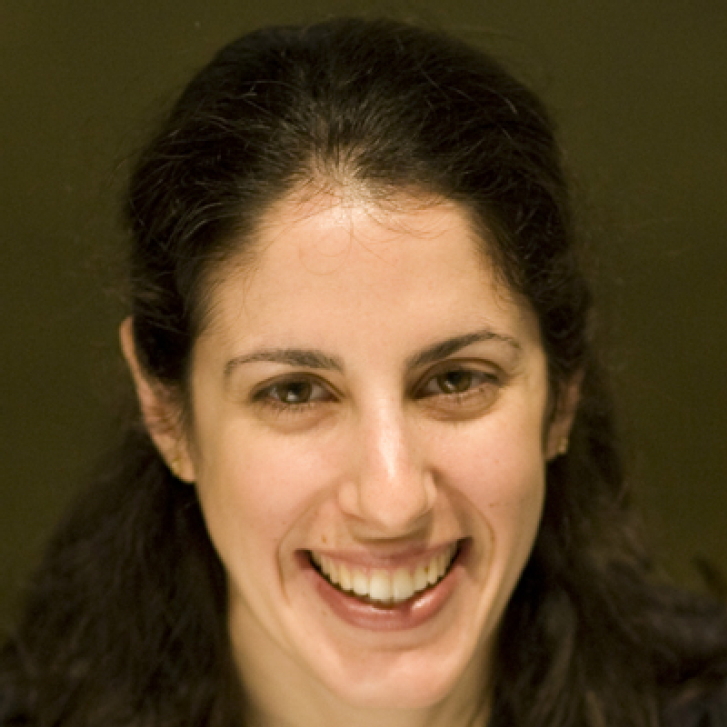
Three Questions With Sean Reardon
Stanford education professor Reardon talks with SSIR's Michael Slind about the role of socio-economic inequality in educational achievement gaps.
Stanford education professor Reardon talks with SSIR's Michael Slind about the role of socio-economic inequality in educational achievement gaps.
What is the right role for private funders in the US education system?
Social network analysis may benefit regional conservation efforts in the Texas Hill Country and help mitigate other challenging societal issues.
The 100Kin10 effort to increase the number of STEM teachers in America’s classrooms offers insights into an emerging model for social change.

In an era when low-income children are offered different learning opportunities than rich children, we must work to provide all kids the high-quality educational experience that the 21st century demands.


Large-scale social change requires broad cross-sector coordination, not the isolated intervention of individual organizations.

With an understanding of these 10 funding models, nonprofit leaders can use the for-profit world's valuable practice of engaging in succinct and clear conversations about long-term financial strategy.

Professionalism has become coded language for white favoritism in workplace practices that more often than not leave behind people of color. This is the fourth of 10 articles in a special series about diversity, equity, and inclusion.

By working closely with the clients and consumers, design thinking allows high-impact solutions to social problems to bubble up from below rather than being imposed from the top.

Five principles based in social science that will help organizations connect their work to what people care most about.