Farming in Detroit
The number of urban gardens in Detroit has been increasing as people seek to put abandoned land to better use.
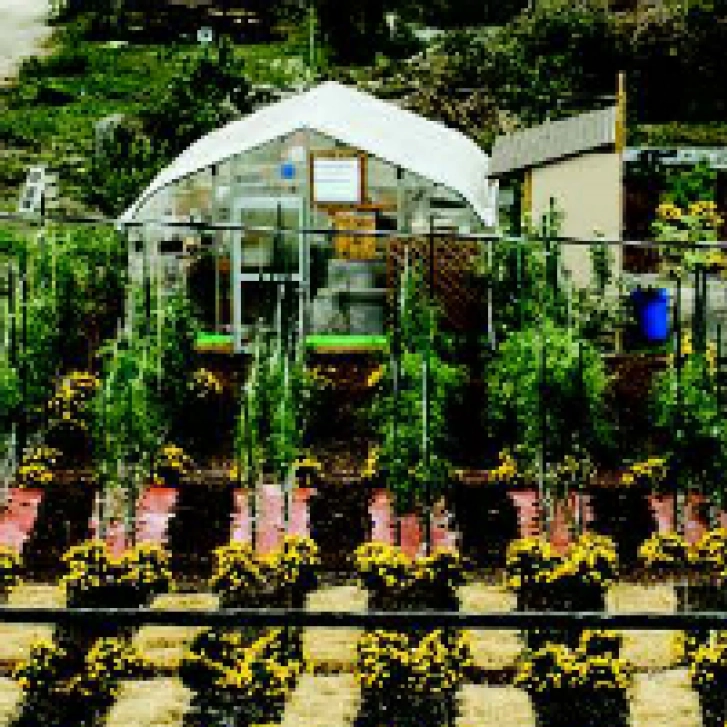
The number of urban gardens in Detroit has been increasing as people seek to put abandoned land to better use.
Changing who and how universities teach social innovation offers unprecedented learning opportunities for students—and the potential to create greater social impact.

More and more students are seeking out courses from business schools that support them in pursuing meaningful careers, and universities are responding, but what does the future hold?

Why investors need to integrate rights and accountability into development finance, and how they can begin.
Innovations will need to address inequity and embrace a broader range of skills than most schools currently teach.


Large-scale social change requires broad cross-sector coordination, not the isolated intervention of individual organizations.

With an understanding of these 10 funding models, nonprofit leaders can use the for-profit world's valuable practice of engaging in succinct and clear conversations about long-term financial strategy.

Professionalism has become coded language for white favoritism in workplace practices that more often than not leave behind people of color. This is the fourth of 10 articles in a special series about diversity, equity, and inclusion.

By working closely with the clients and consumers, design thinking allows high-impact solutions to social problems to bubble up from below rather than being imposed from the top.

Five principles based in social science that will help organizations connect their work to what people care most about.