Building a Relational Public Sector
What the US can learn from Denmark, and vice versa.
What the US can learn from Denmark, and vice versa.
Cities can create outside-the-classroom learning opportunities for low-income children by encouraging communities to reimage everyday locations in their neighborhoods as places for playful learning.

This year marks the last Clinton Global Initiative Annual Meeting. How might future global development convenings build on the meeting’s success to create even greater impact?
George Soros’s $500 million investment announcement following the first-ever UN summit on migrants and refugees sets an example for how all investors could engage in “migrant lens investing."
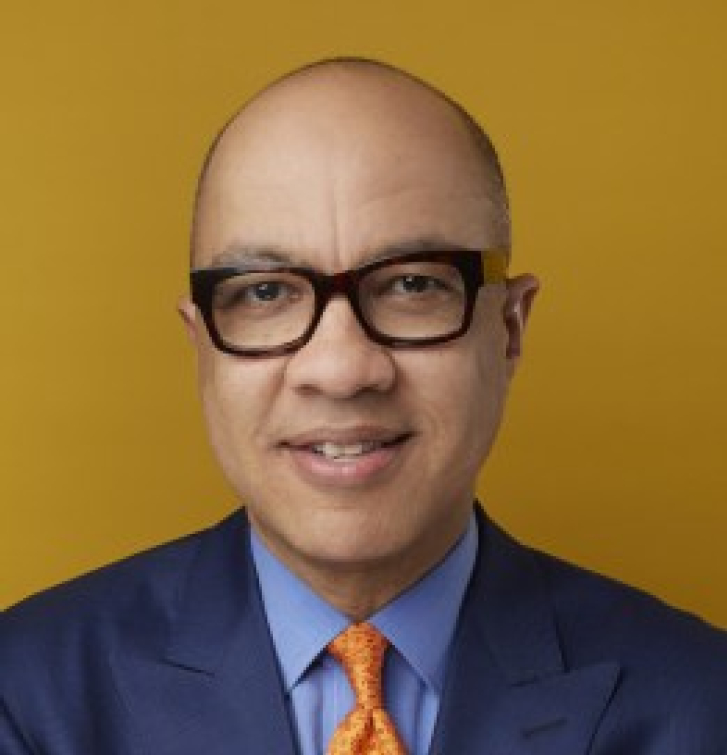
Ford Foundation president Darren Walker talks with SSIR senior editor Michael Slind about what organizations like his can do to address inequality.


Large-scale social change requires broad cross-sector coordination, not the isolated intervention of individual organizations.

With an understanding of these 10 funding models, nonprofit leaders can use the for-profit world's valuable practice of engaging in succinct and clear conversations about long-term financial strategy.

Professionalism has become coded language for white favoritism in workplace practices that more often than not leave behind people of color. This is the fourth of 10 articles in a special series about diversity, equity, and inclusion.

By working closely with the clients and consumers, design thinking allows high-impact solutions to social problems to bubble up from below rather than being imposed from the top.

Five principles based in social science that will help organizations connect their work to what people care most about.