


After the One Child Policy
A pilot project in China aims to give the country’s family-planning agency a new mission: supporting early child development.

A pilot project in China aims to give the country’s family-planning agency a new mission: supporting early child development.

In Belgium, leaders of a nonprofit are using a pay-for-success mechanism to fund a program for young migrant job seekers.

During a critical period in its history, Greenpeace restructured its organization in order to leverage gains made at a local level.

The demographic profile of Airbnb users doesn’t quite reflect the egalitarian goals of the “sharing economy.”
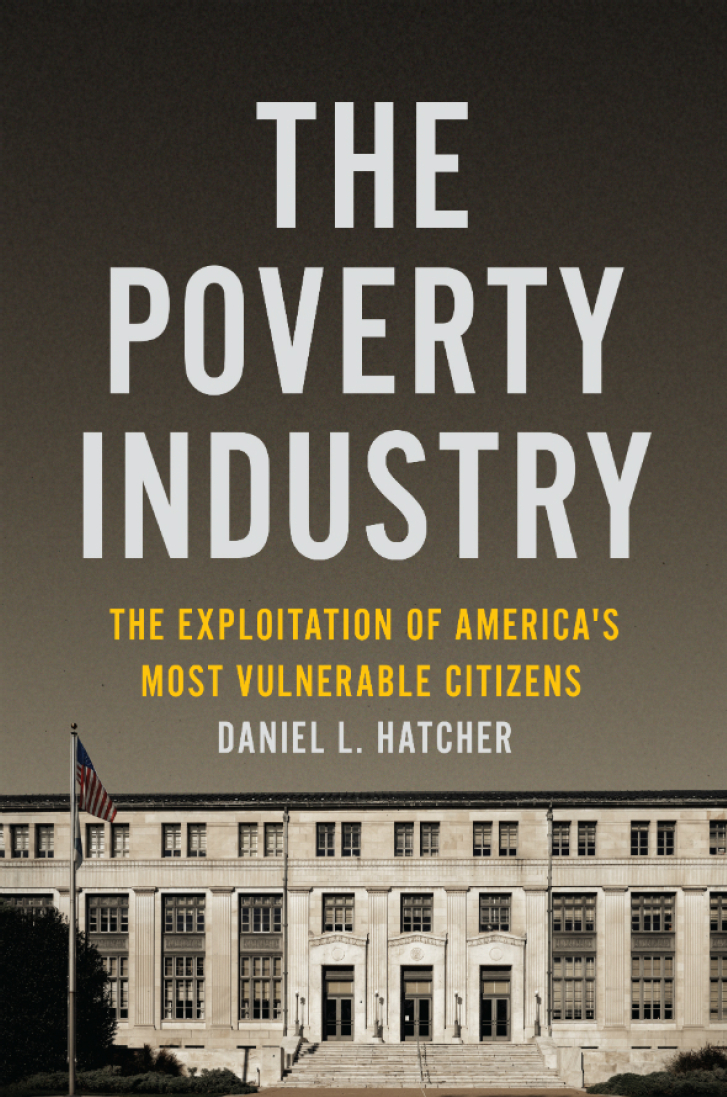
How social services agencies are squeezing revenue from the poor and vulnerable people they’re meant to serve.


Large-scale social change requires broad cross-sector coordination, not the isolated intervention of individual organizations.

With an understanding of these 10 funding models, nonprofit leaders can use the for-profit world's valuable practice of engaging in succinct and clear conversations about long-term financial strategy.

Professionalism has become coded language for white favoritism in workplace practices that more often than not leave behind people of color. This is the fourth of 10 articles in a special series about diversity, equity, and inclusion.

By working closely with the clients and consumers, design thinking allows high-impact solutions to social problems to bubble up from below rather than being imposed from the top.

Five principles based in social science that will help organizations connect their work to what people care most about.