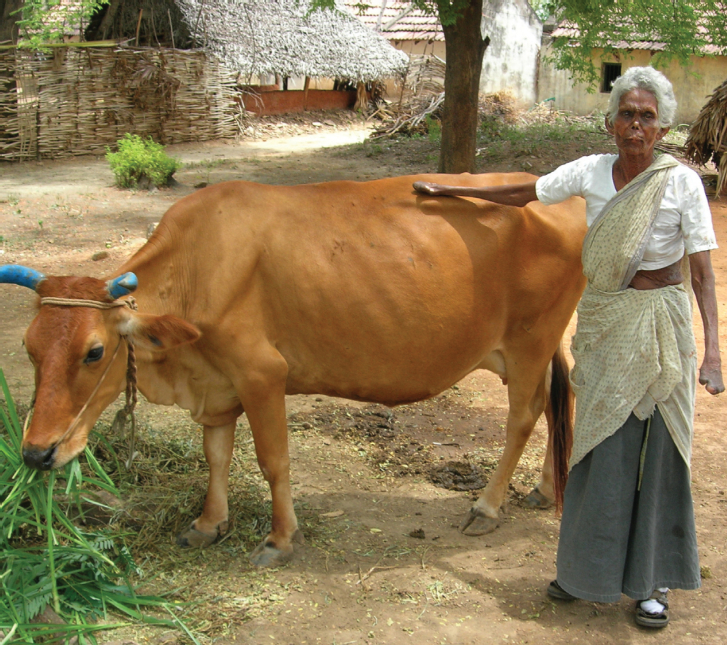
Women Hold Both Sky and Solutions
Half the Sky: Turning Oppression into Opportunity for Women Worldwide by Sheryl WuDunn and Nicholas Kristof
The future of international development may lie in the hands of children. In this audio interview with Sheela Sethuraman, Jeroo Billimoria talks about how her organization, Aflatoun, provides social and financial education to youth ages 6 to 14 in 31 countries. She discusses Aflatoun's work with partners to create and disseminate innovative curricula to mainstream schools, and its vision for continuing to empower young people over the next five years.
The Saudi Arabian Oil Company exemplifies how an organization may go from good to great through a focus on innovation. In this audio lecture, CEO Abdallah Jum'ah shares with an audience of Stanford MBA students how he has harnessed the brainpower of his people to come up with breakthrough solutions in areas such as technology, tools, processes, and organizational management. His talk demonstrates how living the values of innovation, insight, and principle can transform an organization and change the world.
While the United States has been a leader in global entrepreneurship, other countries are also getting in on the act. But the movement abroad has not been without its struggles. In this panel discussion at a conference convened by the Hoover Institute at Stanford, venture capitalists and entrepreneurs talk about what it takes to create an entrepreneurial ecosystem in a variety of countries. They look at challenges as well as lessons from nations that have been particularly successful in creating startups, such as India and Taiwan.
In the social enterprise sector, community development financial institutions have become important vehicles for advancing the well-being of communities through market-based mechanisms. In this audio interview with Stanford Center for Social Innovation correspondent Sheela Sethuraman, CEO Mark Pinsky talks about what his organization, the Opportunity Finance Network, does to support such institutions in improving people's lives in urban, rural, and reservation-based markets.
Large-scale social change requires broad cross-sector coordination, not the isolated intervention of individual organizations.
With an understanding of these 10 funding models, nonprofit leaders can use the for-profit world's valuable practice of engaging in succinct and clear conversations about long-term financial strategy.
Professionalism has become coded language for white favoritism in workplace practices that more often than not leave behind people of color. This is the fourth of 10 articles in a special series about diversity, equity, and inclusion.
By working closely with the clients and consumers, design thinking allows high-impact solutions to social problems to bubble up from below rather than being imposed from the top.

Five principles based in social science that will help organizations connect their work to what people care most about.