



New Frontiers of Financial Inclusion in Africa
Will mobile telephones become the new super highway to connect the poor to the financial grid?
Will mobile telephones become the new super highway to connect the poor to the financial grid?
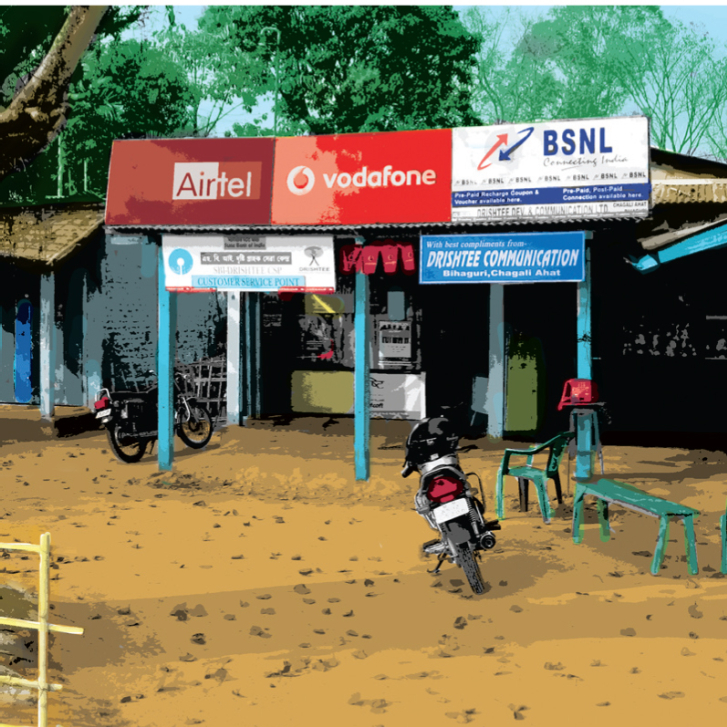
Microfranchising poses fewer risks and offers greater benefits than does creating a new business from scratch.
SaveTogether wants to foster the savings habit among low-income Americans.

A PARADISE BUILT IN HELL: The Extraordinary Communities That Arise in Disaster by Rebecca Solnit

Used shipping containers become health care clinics in the developing world.


Large-scale social change requires broad cross-sector coordination, not the isolated intervention of individual organizations.

With an understanding of these 10 funding models, nonprofit leaders can use the for-profit world's valuable practice of engaging in succinct and clear conversations about long-term financial strategy.

Professionalism has become coded language for white favoritism in workplace practices that more often than not leave behind people of color. This is the fourth of 10 articles in a special series about diversity, equity, and inclusion.

By working closely with the clients and consumers, design thinking allows high-impact solutions to social problems to bubble up from below rather than being imposed from the top.

Five principles based in social science that will help organizations connect their work to what people care most about.