


sponsored
Voices of Power Builders
Advice on increasing support for community power building from power builders and funders
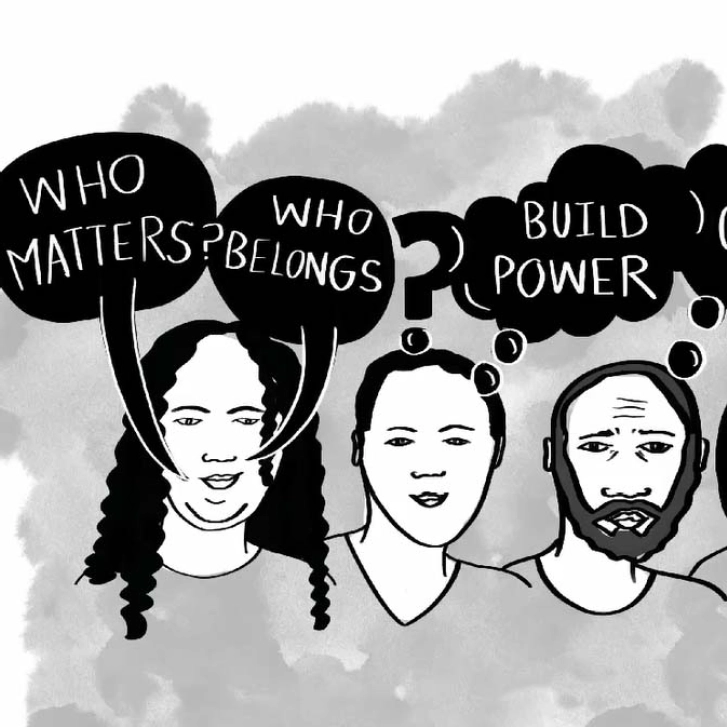
Advice on increasing support for community power building from power builders and funders

How an innovative stakeholder-shareholder investment model is helping smallholder farmers grow and thrive.

How “little tech” is driving workplace surveillance—and what can be done to push back.

An excerpt from Breaking Free on the freedom practice of individual and collective movement

How Ukraine built a digital platform to streamline public service delivery as well as the national defense


Large-scale social change requires broad cross-sector coordination, not the isolated intervention of individual organizations.

With an understanding of these 10 funding models, nonprofit leaders can use the for-profit world's valuable practice of engaging in succinct and clear conversations about long-term financial strategy.

Professionalism has become coded language for white favoritism in workplace practices that more often than not leave behind people of color. This is the fourth of 10 articles in a special series about diversity, equity, and inclusion.

By working closely with the clients and consumers, design thinking allows high-impact solutions to social problems to bubble up from below rather than being imposed from the top.

Five principles based in social science that will help organizations connect their work to what people care most about.